News

Covid-19 pandemic, climate, health and job fears prompt a majority of people to support more international cooperation to solve global problems. UN survey says

New York, January 8 – A year-long United Nations-led campaign of survey and dialogues involving more than 1.5 million respondents in 193 countries showed that a majority of them are supporting international cooperation to resolve global problems from heath to climate issues.

The UN said its consultations around the world resulted in a good response as people shared their short- and long-term priorities, their ideas for action and calls for a more inclusive, transparent UN to deal with pressing global challenges. They also showed optimism for a better future in the midst of the pandemic.

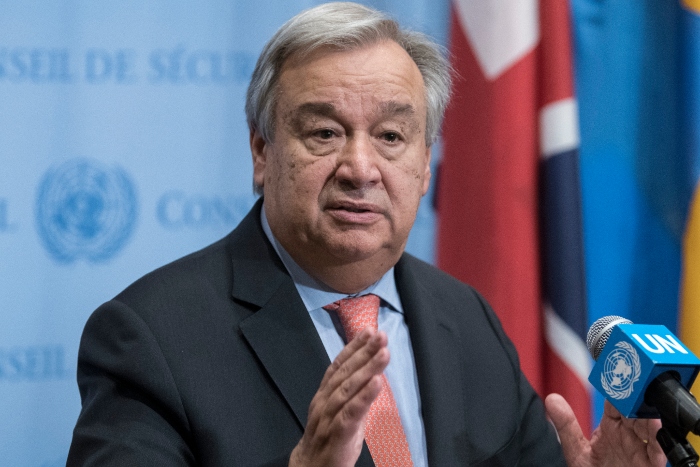
The survey was made public under the title, “Shaping our future together: key findings of UN75 survey and dialogues.” It was launched by UN Secretary-General António Guterres in January 2020 as he sought to provide an opportunity to listen to people and to allow them to share their hopes and fears for the future and to discuss who they expected to work together to address the challenges.

“The UN75 global consultation showed that 97 percent of respondents support international cooperation to tackle global challenges,“ Guterres said. “That represents a very strong commitment to multilateralism, and to the mission of the United Nations. Now it is up to us – Member States and the UN Secretariat – to meet the expectations of the people we serve.”

The survey said a majority of respondents (52 per cent) believe that international cooperation is essential for addressing global challenges, while 34 per cent believe it is very important, and 11 per cent believe it is fairly important. Only 3 per cent believe international cooperation is not important or not important at all.

The highest percentage of respondents supporting international cooperation are from North America and from higher human development countries who believe more in international cooperation than those in lower human development countries.

The report said respondents look to the UN to “lead in international cooperation to address immediate and longer-term global challenges, and many also want the organization to innovate – to be more inclusive, engaged, accountable and effective. “

The respondents strongly favor the UN to provide:

· Moral leadership.

· A reformed, more representative and more agile UN Security Council.

· A revised Charter that includes today’s most pressing global challenges, like climate change.

· Continued management and leadership reforms, including more inclusive hiring practices,

more accountability and more transparency.

· An inclusive and participatory UN system, with improved understanding of the work of the

UN among citizens around the world, and which shows more care for the needs of ordinary

people.

· Improved implementation, monitoring and evaluation of UN programmes globally, to more

effectively solve international problems.

Key findings from the UN75 survey and dialogues include (as provided by the UN):

As COVID-19 reversed progress in human development and widened inequalities, many

prioritized access to basic services and support to the hardest hit places and communities in

the short-term

· Amid a striking shortfall in healthcare to meet the needs generated by the pandemic,

respondents’ top immediate, short-term priority globally was ‘Universal access to healthcare’.

· As COVID-19 forced children out of schools around the world, ‘More investment in education

and youth programmes’ ranked high among respondents, particularly in Sub-Saharan Africa

and Central and Southern Asia.

· Reflecting the stark reality that three billion people lack a basic hand-washing facility with soap

and water at home, ‘Access to safe water and sanitation’ was another critical immediate

priority for respondents during the pandemic, across all human development levels.

· Many respondents, especially in low and middle income countries, prioritized ‘Global

solidarity’ and the need to provide ‘Support to the hardest hit people and communities’, and

to ‘Address inequalities that have deepened as a result of COVID-19.’

· Less respondents in Very High Human Development countries viewed ‘Support to the hardest

hit places’ as a high priority.

Respondents living in lower human development countries and those living in conflict

situations tended to express greater optimism about the future

· Globally, many more respondents believed people will be better off (49%) in 2045 than today,

compared with those who believe people will be worse off (32%).

· Respondents in Sub-Saharan Africa were the most optimistic about the future (59%), followed

by Central and Southern Asia (52%), and Eastern and South-eastern Asia (51%). Respondents

in Northern America (49%), Europe (48%), Latin America and the Caribbean (48%) and Oceania

and Antarctica (47%) were most pessimistic about the future.

· Respondents in regions with lower human development countries were far more optimistic

about the future than respondents in regions with higher human development countries.

Respondents living in conflict situations were more optimistic about the future.

While they expect access to health services to improve over the next 25 years, respondents in

all regions identified climate change and environmental issues as the number one long-term

global challenge

· ‘More environmental protection’ is the number one long-term priority for respondents,

globally, ranking in the top three priorities across all regions.

· The highest percentages of respondents who chose ‘Climate change and the environment’ as

a top threat were in Latin America and the Caribbean (73%), while the lowest was is Sub- Saharan Africa (37%).

Other longer-term priorities vary according to income levels, but include rising concern with

employment opportunities, respect for human rights and reducing conflict

· While respondents in UNDP’s category of higher human development countries tended to give

the highest priority to the environment and human rights, those in lower human development

countries tended to accord the highest priority to less conflict and meeting basic needs, such

as employment, healthcare and education.

· ‘More respect for human rights’ ranked number three globally as a long-term priority. It

ranked number one in Northern Africa and Western Asia and number two in Northern

America and Europe.

· ‘More employment opportunities’ rose from the tenth long-term priority identified by

respondents in April 2020 to the sixth priority in December 2020. This may reflect the

dramatic COVID-19 related workplace closures, working-hour and labour income losses.

· Reducing conflict is a high priority among respondents in Eastern and South-eastern Asia,

Northern Africa and Western Asia, and Sub-Saharan Africa.

· While respondents in countries that are not in conflict are more concerned about tensions

between countries, those in conflict situations are more concerned about violence within their

borders.

97% of respondents believe that international cooperation is important for addressing global

challenges, with variation in the degree of importance across regions

· The majority of respondents believe that international cooperation is essential (52%) for

addressing global challenges, while 34% believe it is very important, and 11% believe it is

fairly important. Only 3% of respondents believe international cooperation is not important

or not important at all.

· The degree of importance of international cooperation varies across regions, with the highest

percentage of respondents who viewed it favorably from Northern America.

· Respondents in higher human development countries tend to perceive the need for

international cooperation as greater than those in lower human development countries.

· A majority of respondents globally say that COVID-19 has increased their view of the

importance for greater cooperation between countries.

United Nations correspondent journalists – United Nations correspondent journalists – United Nations correspondent journalists – United Nations journalism articles – United Nations journalism articles – United Nations journalism articles

Covid-19 pandemic, climate, health and job fears prompt a majority of people to support more international cooperation to solve global problems. UN survey says Read More »

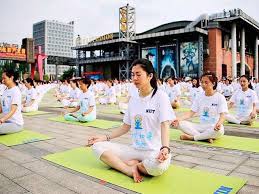
China’s centuries-old martial art tai chi (taijiquan) inscribed in UNESCO’s cultural heritage list; tai chi joins yoga as world’s best body-mind health exercises

NEWS FEATURE

Paris/New York – China waited for 12 years after applying for UNESCO’s World Heritage list for its centuries-old martial art familiarly known as tai chi worldwide and finally was accepted without much fanfare except for the connoisseurs of the physical exercise recognized by health authorities.

The decision on December 18 by the Paris-based UN Educational, Scientific and Cultural Organization put tai chi on the List of the Intangible Cultural Heritage of Humanity. China, with at least 50 UNESCO World Heritage sites, belongs to a handful of countries that have the highest number of such sites. Other countries are France, Germany, Italy, India, Mexico and Spain.

Here is what UNESCO said about tai chi:

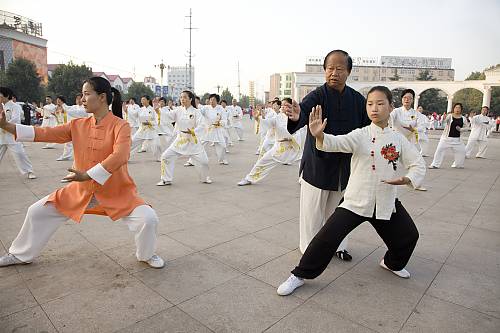
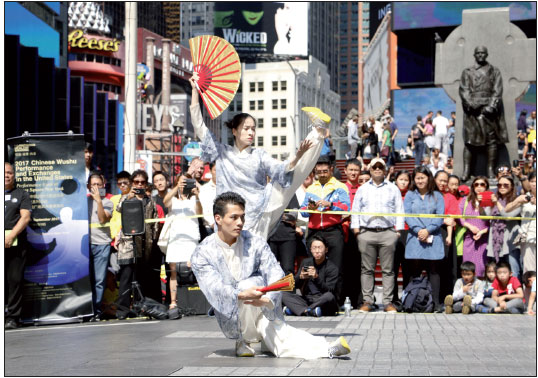
“Taijiquan is a traditional physical practice characterized by relaxed, circular movements that works in concert with breath regulation and the cultivation of a righteous and neutral mind. Originating during the mid-seventeenth century in Wenxian County in the Henan Province of central China, the element is now practiced throughout the country by people of all ages and by different ethnic groups.

Taijiquan’s basic movements center upon wubu (five steps) and bafa (eight techniques) with a series of routines, exercises and tuishou (hand-pushing skills performed with a counterpart). Influenced by Daoist and Confucian thought and theories of traditional Chinese medicine, the element has developed into several schools (or styles) named after a clan or a master’s personal name. The element is passed down through clan-based transmission or the master-apprentice model. The latter relationship is established through the traditional ceremony of baishi. Taijiquan has also been incorporated into the formal education system. The element builds upon the yin and yang cycle and the cultural understanding of the unity of heaven and humanity. It has been disseminated through legends, proverbs and rituals, among other vehicles of expression. Safeguarding the element would increase its visibility and dialogue about the diverse ways Taijiquan is practiced by different communities.”

There are an estimated 300 million tai chi practitioners globally. Organizers of tai chi events always delighted at bringing thousands of people together to demonstrate their skills.

Tai chi has a lengthy list of followers, from world models to athletes. But Chinese martial art experts and movie actors like Bruce Lee, Jet Li and Jackie Chan are the biggest promoters of the martial art in movies and educational programs.

Xinhua News Agency said China originally applied in 2008 and was rejected because it was seeking to list Shaolin kung fu, Peking opera and acupuncture in addition to tai chi. UNESCO then limited two requests per year for each country for cultural heritage sites and China revised its applications accordingly. It was reported that China successfully applied in 2011 for Chinese shadow puppetry and in 2013 for Chinese zhusuan, or abacus-based mental calculation.

Taijiquan is not just a sport to make people fit, but also contains Chinese culture and philosophy,” researcher Yan Shuangjun told Xinhua News Agency. “The application started in 2008, and now we made a victory, which will help this sport to reach more places.”

Xinhua said tai chi has a massive, devoted global following. Millions of elderly Chinese people practice it every day in city parks, and celebrities and other public figures regularly make public references to their practice of it for the health benefits it is said to provide.

According to the Mayo Clinic in the United States, doing tai chi can reduce stress, anxiety and depression, improve aerobic capacity, energy and stamina, enhance the immune system and relieve joint pain.

Xinhua said tai chi originated in the village of Chenjiagou, in central China’s Henan province, in the mid-17th century.

Yoga was inscribed on UNESCO’s Representative List of the Intangible Cultural Heritage of Humanity in 2016.

In 2014 the United Nations proclaimed 21 June as International Yoga Day as the discipline is being followed by hundreds of millions of people worldwide.

UNESCO said describes yoga as “The philosophy behind the ancient Indian practice of yoga has influenced various aspects of how society in India functions, whether it be in relation to areas such as health and medicine or education and the arts. Based on unifying the mind with the body and soul to allow for greater mental, spiritual and physical wellbeing, the values of yoga form a major part of the community’s ethos. Yoga consists of a series of poses, meditation, controlled breathing, word chanting and other techniques designed to help individuals build self-realization, ease any suffering they may be experiencing and allow for a state of liberation. It is practiced by the young and old without discriminating against gender, class or religion and has also become popular in other parts of the world. Traditionally, yoga was transmitted using the Guru-Shishya model (master-pupil) with yoga gurus as the main custodians of associated knowledge and skills. Nowadays, yoga ashrams or hermitages provide enthusiasts with additional opportunities to learn about the traditional practice, as well as schools, universities, community centers and social media. Ancient manuscripts and scriptures are also used in the teaching and practice of yoga, and a vast range of modern literature on the subject available.”

United Nations correspondent journalists – United Nations correspondent journalists – United Nations correspondent journalists United Nations journalism articles – United Nations journalism articles – United Nations journalism articles
China’s centuries-old martial art tai chi (taijiquan) inscribed in UNESCO’s cultural heritage list; tai chi joins yoga as world’s best body-mind health exercises Read More »

$20.6 Billion to Help Women, Newborns, Young Children and Adolescents

Funding secured to recover health and social services lost to COVID-19

Pledges (please see detailed information below):

* Afghanistan – $176.6 million

* India – $2 billion

* Kenya – $2.2 billion

* Liberia – $10.65 million

* Nigeria – $2.3 billion

* Canada: $2.89 billion

* Germany – $5.3 billion

* Sida (Sweden) – $ 165.67 million

* United Kingdom – Up to $1.7 billion

* United States of America – $1.3 billion

* The Bill and Melinda Gates Foundation – $1.75 billion

The COVID-19 pandemic is threatening three decades of improvement in health and social services for women, newborns, children and adolescents.

The well-being of this vulnerable group is being more affected than others due to disruptions to essential health, nutrition and social services since the pandemic, according to senior health experts at The Partnership for Maternal, Newborn & Child Health (PMNCH), a global alliance of more than 1,000 organizations, hosted by the World Health Organization (WHO).

In a huge effort to restore crumbling services for women, newborns, children and adolescents, a group of high income, low- and middle-income countries and foundations are making pledges of $20.6 billion to protect this group. $6.6 billion (32%) of the total pledge is committed by low and middle-income countries themselves, including Afghanistan, India, Kenya, Liberia, and Nigeria. An additional $14 billion (68%) is from official development assistance and grants given by Germany, Canada, Sweden, UK, USA and the Bill & Melinda Gates Foundation.

Recent WHO data from 105 countries show that 90 percent of countries have experienced disruptions to health services, with low- and middle-income countries reporting the greatest difficulties.

Some of the most frequently disrupted services include those related to: immunization services (facility-based services: 61 percent, and outreach facilities: 70 percent), and family planning and contraception services: 68 percent.

The maternal mortality ratio has dropped by 38 percent worldwide between 2000 and 2017. Still about 25,000 women were dying every month during and following pregnancy and childbirth, in 2017. Similarly, while the mortality rate for children under 5 years of age has been cut by 60 percent since 1990, about 5.2 million children under five were still dying every year from preventable causes before the pandemic.

According to early estimates of the indirect impact of COVID-19 on child and maternal mortality, more than 2 million additional child and maternal deaths are estimated over 12 months (2020-2021) above the pre-pandemic level because of disruptions to essential health and nutrition services.

Adding to the pain of the pandemic itself is a forecast of at least a 5 percent contraction of the global economy. Recent forecasts also indicate that global poverty is on the rise for the first time since 1998, with an estimated 47 million women and girls being pushed into extreme poverty. This will increase the total number of women and girls living in extreme poverty to 435 million, with projections showing that this number will not revert to pre-pandemic levels until 2030.

As of November 2020, 2.8 million children and adolescents have contracted COVID-19 in 87 countries. That is more than 10 percent of the 25.7 million infections in these countries.

Recent UNESCO data show that in April, 1.5 billion students were affected by educational institutions closures in 195 countries this year, leading to loss of school meals and critical impacts on child nutrition.

“The health and well-being of women, children and adolescents are now at great risk, with inequities compounded by narrowing access to essential health services such as antenatal care, skilled assistance at childbirth, postnatal care, immunizations, and family planning. Our concern is that resources — insufficient to begin with– are being diverted away to respond to the COVID-19 pandemic,” explains Helen Clark, Chair of PMNCH and former Prime Minister of New Zealand.

“These findings show how weak our health systems are at protecting women, newborns, children and adolescents, and how much basic primary health care matters in saving lives and protecting rights,” she adds.

PMNCH has issued a 7-point Call to Action in response to the devastating effects of COVID-19 on the health and well-being of women, children and adolescents. It calls on leaders to protect and prioritize their rights and health during the COVID-19 response and recovery by strengthening political commitment, policies and financing for vital health services and social protections, particularly for the most vulnerable.

Countries have responded to this call with these financial and policy commitments to prevent the COVID-19 pandemic from becoming a lasting crisis.

The commitments will be launched on December 11 at “Lives in the Balance”, a global online summit to take stock of how COVID-19 is impacting the progress towards Universal Health Coverage (UHC). The event, co-hosted with PMNCH with UHC 2030 and the CORE Group, is held on the eve of UHC Day on December 12 (www.livesinthebalancesummit2.org).

$20.6 billion in funding to help women, newborns, children and adolescents

Country pledges increase investment in:

* Maternal, newborn, child, and adolescent health care and well-being;

* Health systems strengthening;

* Nutrition, food security and social protection programs;

* Sexual and reproductive health and rights.

Taking into account the indirect effects of the pandemic on women and adolescent girls, some prioritize policies, programs or services to address gender equality and gender-based violence. These country commitments spanning multiple sectors will contribute to the realization of the Call to Action, helping to ensure women, adolescents and children can access health services and priority social protections throughout the COVID-19 crisis and recovery periods.

$16.1 billion (78%) are new commitments to address COVID-19, $2.2 billion (10.8%) are new commitments not linked to COVID-19, and $2.3 billion (11.2%) are commitments to protect existing RMNCAH commitments/budgets.

“This funding will ensure women, children and adolescents can access health services and priority social protections throughout the COVID-19 crisis and recovery periods,” says Helen Clark of PMNCH.

Here are the individual pledges (full text: www.pmnch.org):

* Afghanistan – $176.6 million during 2020-2023 to combat the challenges of COVID-19 and to improve the health and well-being of women, children and adolescents.

* India – $2 billion during 2020-2021 to strengthen all levels of care in response to the pandemic and to ensure essential public health functions with an enhanced focus on women, children and adolescents and the most vulnerable.

* Kenya – $2.2 billion during 2021-2022 for the provision of universal health coverage to guarantee quality and affordable healthcare, with additional funding committed under the post COVID-19 Economic Recovery Strategy for inequality, social cohesion and social protection.

* Liberia – $10.65 million in 2021 to improve the health and well-being of women, children and adolescents, by supporting and building the capacity of health services providers, providing safe and accessible drinking water, sanitation and hygiene as part of the COVID-19 incidence management system, and guaranteeing availability of critical life-saving equipment and medicines to ensure access to quality health care to women, children and adolescents.

* Nigeria – $2.3 billion during 2020-2028 for strategic interventions that protect the reproductive, maternal, newborn, child, adolescent and elderly health and nutrition through access to family planning services; immunization; and nutrition programmes.

* Canada: $2.89 billion during 2019-2024 as global COVID-19 response, placing gender equality and empowerment of women and girls at the centre of this response through investing in equitable and affordable access to testing and vaccine; including strengthening and ring-fencing of $ 937 million as funds for Sexual and Reproductive Health and Rights; new and dedicated funding for prevention of violence against women; and ensuring access to reproductive health commodities and meaningful youth engagement.

* Germany – $5.3 billion bi- and multilateral contributions to meet the challenges of the COVID-19 pandemic during 2020-2022; including $120 million to ensure globally fair, equitable and transparent access to COVID-19 vaccines; and $210 million to protect the health and rights of women, children and adolescents, by sustaining health systems with a focus on the needs of women and girls in the context of sexual and reproductive health through multi-lateral agencies and Global Financing Facility (GFF).

* Sida (Sweden) – $ 165.67 million additional funds to the COVID-19 crises and allowing for flexibility in existing funding in 2020-21, $ 53 million dedicated for protecting Sexual and Reproductive Health and Rights services and promoting gender-responsiveness in the COVID-19 crisis through integrated efforts in health, health system strengthening, and ensuring access to maternity care, contraception and safe abortion care during and after the pandemic.

* United Kingdom – Up to £1.3 billion ($1.7 billion) of new funding to tackle the health, humanitarian, and socio-economic impacts of COVID-19; and committed up to £500 million ($665 million) for COVAX, in support of equitable access to COVID-19 vaccines during 2020-2021.

* United States of America – $1.3 billion for the global fight against COVID-19 to improve public health education; protect healthcare facilities; and increase lab, surveillance, and rapid-response capacities in more than 100 countries in 2020. This includes delivery of diagnostics and treatment tailored to countries’ needs, and measures to ensure safe delivery of essential maternal and child health and nutrition through improved WASH and infection prevention control in healthcare facilities.

* The Bill and Melinda Gates Foundation – $1.75 billion during 2020-2021 to support the global COVID-19 response efforts to accelerate the search for effective coronavirus vaccines and treatments to ensure that once available, they can be delivered quickly and affordably. In addition to new response efforts, the foundation will continue its support to protect the health and well-being of women and children, including by strengthening primary healthcare systems and improving the quality of care provided through essential health service.,

“As important as this $20.6 billion is, it only will partially solve the problem of providing basic essential services for women, newborns, young children and adolescents,” says Rajesh Bhushan, Secretary, Health and Family Welfare, Government of India. “Comprehensive efforts and collective advocacy are needed to ensure availability of substantially enhanced financial resources for this noble cause”, he adds.

Consider these facts:

* Even before the COVID-19 pandemic, the child mortality rate under age five was three times higher in 36 countries classified as fragile by the World Bank, compared to non-fragile countries.

* In the least developed countries, the maternal mortality ratio, defined as the number of maternal deaths per 100,000 live births, was more than 40 times higher than in Europe.

New and Better Financing Ideas

“While we have achieved dramatic reductions in child and maternal mortality over the last 30 years, large inequities still persist across and within countries and are only worsening as a socio-economic consequence of COVID-19,” says Anuradha Gupta, Deputy CEO of GAVI, the Vaccine Alliance, and Chair of the PMNCH Strategy Committee.

“Women and girls, in particular, are being disproportionally affected simply by virtue of their gender. The global community needs to come together to deliver financing strategies that are equity enhancing, targeting the most vulnerable who have been hardest hit.”

Besides the added funding, all health experts agree, that health funds must be spent better. Pre-COVID-19 evidence over the past 10 years finds that an estimated 20-40 percent of health expenditure is wasted globally due to inefficiencies and corruption.

To improve the efficiency of health financing, the Global Financing Facility (GFF), a joint UN and World Bank initiative, prioritize spending through the development of investment cases, encourages results-based financing, and help coordinate and track spending through instruments such as the Resource Mapping and Expenditure Tracking tool.

These efforts generate greater precision in delivering the interventions that will help the most women, newborns, children and adolescents, including through the current COVID-19 crisis.

* * * * *

PMNCH Call to Action

PMNCH issued a 7-point agenda for action in July 2020 to urge governments to protect and promote the health and rights of women, children and adolescents through strengthened political commitment, policies and domestic resource mobilization and financing, supported by ODA, for:

1. Sexual, reproductive, maternal, newborn, child and adolescent health (SRMNCAH) services, supplies, and information and demand generation including for contraception, safe abortion, immunization, safe delivery, stillbirth prevention, and mental health;

2. Advancing sexual and reproductive rights and gender equality;

3. Quality care, including respectful and dignified care, and effective community engagement and redress mechanisms;

4. Recruitment, training, equal and fair pay, and safe working conditions, including protective personal equipment, for frontline health workers, notably midwives and nurses;

5. Social protections, including food and nutrition security, for marginalized and vulnerable groups and enhanced data to better understand and address disparities experienced by adolescents, refugees, the internally displaced, migrants, indigenous communities, persons living with disabilities, among others;

6. Functional, safe, and clean toilet and hand washing facilities and quality potable drinking water, with a particular focus on healthcare centers, schools, and centers for refugees and internally displaced persons; and

7. Prevention of violence against women, children and adolescents through education and protection programs.

www.pmnch.org

* * *

Terry Collins & Assoc. | www.tca.tc | @TerryCollinsTC | LinkedIn.com/in/terrycollins, Toronto, M6R1L8 Canada

Contacts:

Marshall Hoffman, marshall@hoffmanpr.com, +1-703-533-3535

UK: Juliet Heller, juliet@julietheller.co.uk, +44-16-2186-8083

Canada: Terry Collins, tc@tca.tc, +1-416-878-8712

Africa: Reuben Kyama, rkyama@gmail.com, +254 (0)722 739 765

Latin America: Liliana Hisas, liliana@hoffmanpr.com, +1-703-412-5787 (united nations correspondent journalists – united nations journalism articles)

$20.6 Billion to Help Women, Newborns, Young Children and Adolescents Read More »

World Economic Forum announces Davos Agenda for January 2021 virtual meeting

Geneva/New York, November 23 – The World Economic Forum made public its upcoming Davos Agenda under the theme “2021 is a crucial year to rebuild trust” as the ongoing pandemic continued to sap gains made in reversing unemployment, climate change and poverty worldwide.

“2021 is a crucial year to rebuild trust,” said Professor Klaus Schwab, Founder and Executive Chairman of the World Economic Forum. “The world is at a crossroads. The pandemic has reversed important gains in the global fight against unemployment, climate change and poverty. Leaders must come together for decisive and inclusive action.”
 
WEF said the Davos Agenda is a “pioneering mobilization of global leaders to rebuild trust to shape the principles, policies and partnerships needed in 2021.”

The virtual annual meeting will convene January 25-29, 2021 with the active participation of heads of state, CEOs, civil society leaders, global media and youth leaders from Asia, Europe, Africa, the Middle East, North America and Latin America.

Following are the five program themes announced by WEF:

Designing cohesive, sustainable, resilient economic systems (January 25)

Driving responsible industry transformation and growth (January 26)

Enhancing stewardship of our global commons (January 27)

Harnessing the technologies of the Fourth Industrial Revolution (January 28)

Advancing global and regional cooperation (January 29) 

“Heads of state and of government and international organizations will give special addresses on the state of the world, as well as engaging in dialogue with business leaders. Industry leaders and public figures will discuss how to advance and accelerate public-private collaboration on critical issues such as COVID-19 vaccination, job creation and climate change, among others. The Forum’s core communities, including its International Business Council, will share their insight and recommendations from global, regional and industry initiatives in impact sessions. (united nations correspondent journalists – united nations journalism articles}
 
The high-level agenda-setting dialogues that characterize the Forum’s January meeting will take place throughout the week and will be live streamed – providing more opportunities for the public to engage. Sessions will take place across Beijing, Geneva, New York, San Francisco and Tokyo time zones to ensure global participation.”
 
Notes to editors
Learn more about the Davos Agenda
Read the Forum Agenda also in French | Spanish | Mandarin | Japanese
Check out the Forum’s Strategic Intelligence Platform and Transformation Maps
Follow the Forum on Twitter via @wef @davos | Instagram | LinkedIn | TikTok | Weibo | Podcasts 

United Nations correspondent journalists – United Nations correspondent journalists – United Nations correspondent journalists United Nations journalism articles – United Nations journalism articles – United Nations journalism articles

World Economic Forum announces Davos Agenda for January 2021 virtual meeting Read More »

Chefs, farmers, government and business leaders to call for new food systems in post Covid-19 and to feed 10 billion people by 2050

Geneva/New York, November 18 – The existing food systems, battered by coronavirus that caused widespread famine in poor countries, need fundamental change in order to feed the planet’s growing population expected to reach 10 billion by 2050, the World Economic Forum said. The current world population is 7.8 billion.

WEF said food industry, government and business leaders will hold a virtual conference in Geneva at which civil society and the public will also participate to discuss issues and share solutions at the Bold Actions for Food as a Force for Good event November 23-24.

United Nations Secretary-General Antonio Guterres is planning to convene a Food System Summit during the UN General Assembly session in September 2021 in an effort to steer the world to achieve the 17 Sustainable Development Goals by 2030, which include food security and ending poverty. The WEF conference is independently organized in support of UN food summit in 2021.

“The COVID-19 crisis has exacerbated vulnerabilities in food systems – highlighting the insecurity of rural livelihoods, the tragedy of food waste, and stark inequities in access to healthy food,” WEF said.  “As the global population races to 10 billion, more needs to be done to feed the planet while tackling the environmental impact of agriculture and addressing lack of biodiversity.”

WEF said the conference will look for a vision of the food systems of the future in order to tackle the urgent food crisis from the perspectives of government levels to farmers, young entrepreneurs and influencers. The conference will build a stronger food system that will be more  sustainable and equitable. WEF said the Wageningen University and One Young World will host sessions featuring new innovations from young students and entrepreneurs.

Learn more and view sessions


Key sessions will be livestreamed on the Forum’s website. To participate in the meeting, ask questions and share ideas, please register for the Forum’s TopLink platform. Members of the media can request accreditation here. )

United Nations correspondent journalists – United Nations correspondent journalists – United Nations correspondent journalists

United Nations journalism articles – United Nations journalism articles – United Nations journalism articles
Chefs, farmers, government and business leaders to call for new food systems in post Covid-19 and to feed 10 billion people by 2050 Read More »

Health authorities fear increase in measles cases as pandemic disrupted vaccine campaigns against measles, which killed 207,500 people in 2019

New York/Geneva/Atlanta, November 12 – Measles claimed 207,500 lives in 2019, prompting the WHO and the US Centers for Disease Control and Prevention to warn that more people would die of the disease as attention shifted to Covid-19 causing a pause in measles vaccination campaigns.

The health authorities said over 94 million people, as of November 2020, were at risk of missing vaccines because measles campaigns have been interrupted in 26 countries, with many of them experiencing cases of measles outbreaks. They said the campaigns, after an initial delay, have resumed in these countries: Brazil, Central African Republic, Democratic Republic of Congo, Ethiopia, Nepal, Nigeria, Philippines and Somalia.

WHO and the Atlanta-based CDC said measles cases worldwide increased to 869,770 in 2019, the highest number reported since 1996. They said global measles deaths climbed nearly 50 percent since 2016, claiming an estimated 207,500 lives in 2019 alone.

“We know how to prevent measles outbreaks and deaths,” said WHO chief Tedros Adhanom Ghebreyesus. “These data send a clear message that we are failing to protect children from measles in every region of the world.  We must collectively work to support countries and engage communities to reach everyone, everywhere with measles vaccine and stop this deadly virus.”

“Before there was a coronavirus crisis, the world was grappling with a measles crisis, and it has not gone away,” said Henrietta Fore, UNICEF Executive Director. “While health systems are strained by the Covid-19 pandemic, we must not allow our fight against one deadly disease to come at the expense of our fight against another. This means ensuring we have the resources to continue immunization campaigns for all vaccine-preventable diseases, even as we address the growing Covid-19 pandemic.”

Health authorities fear increase in measles cases as pandemic disrupted vaccine campaigns against measles, which killed 207,500 people in 2019 Read More »

UPDATE: Pfizer and Moderna lead drug makers with over 90-per-cent effective vaccines; rich nations rush to buy massive amount of doses and prepare distribution

New York, November 16 – The US drug maker Moderna has joined the team Pfizer-BioNTech to claim that their Covid-19 vaccines have successfully passed trials and are over 90-per-cent effective, leading a pack of some other 50 vaccine candidates in the global race to stop the pandemic that has killed over 1.2 million people and infected 53 million others.

Moderna said its vaccine met the required three-trial phases and is 94.5 per cent effective a week after Pfizer announced its own vaccine. Large pharmaceutical companies in Australia, China, the United Kingdom, India and Russia are also working on their vaccines.

Since Pfizer announced its promising drug on November 11, news reports said the United States has purchased 100 million doses with an option to buy 500 million more dozes, the United Kingdom has bought 40 million doses and the European Union has bought 200 million with an option for another 100 million.

Pfizer’s CEO Albert Bourla has called the vaccine “the greatest medical advance” in the last 100 years while his counterpart at BioNTech, Ugur Sahin, said his company plans to increase the production of up to 1.3 billion doses by the end of 2021 if it has obtained authorization to move forward in order to meet the urgent demands by millions of people around the world.

“We are reaching this critical milestone in our vaccine development program at a time when the world needs it most with infection rates setting new records, hospitals nearing over-capacity and economies struggling to reopen,” Bourla told the US TV network CNBC November 9. “We have already signed contracts with multiple governments in the world and they have placed orders.”

Sahin revealed that BioNTech used a new but not yet approved technology called messenger RNA, or mRNA, to spark an immune response in people who are vaccinated.

BioNTech and Pfizer are asking the US Food and Drug Administration to authorize emergency use of the vaccine.

While news of the promising Pfizer-BioNTech vaccine was announced and a second wave of coronavirus was hitting several European countries and the US, the WHO in Geneva resumed its virtual 73rd World Health Assembly to recognize the dedication and sacrifice of the millions of health and care workers at the forefront of the Covid-19 pandemic. It unanimously designated 2021 as the International Year of Health and Care Workers (YHCW).

 The WHO also called for “Open Science,” describing it as a movement aimed at making the scientific process at the time of severe health crises more transparent and inclusive. It called for authoritative scientific information and research to be made freely available, to accelerate research into an effective vaccine against Covid-19, help counter misinformation, and “unlock the full potential of science”.

Tedros Ghebreyesus Adhanom, the WHO chief, in October joined human rights chief Michelle Bachelet and Audrey Azoulay, Director-General of UN Scientific, Cultural and Educational agency (UNESCO) to launch Open Science as a fundamental matter of human rights and called for cutting-edge technologies and discoveries to be available for those who need them most.

News reports said the US government has planned to supply $1.95 billion for production and delivery costs for the first 100 million doses upon authorization by the US Food and Drug Administration (FDA).

US President-elect Joe Biden has pledged to invest $25 billion to manufacture and distribute vaccines.

“It’s important to understand that the end of the battle against Covid-19 is still months away,” Biden said and reminded Americans to wear masks, keep social distancing and maintain measures to protect themselves. “Even if some Americans are vaccinated later this year, it will be many more months before there is widespread vaccination in this country.”

UPDATE: Pfizer and Moderna lead drug makers with over 90-per-cent effective vaccines; rich nations rush to buy massive amount of doses and prepare distribution Read More »

Covid-19 has infected 50 million people, killed over 1.2 million but its long-term effects are unknown, WHO says

Geneva/New York, November 9 – The World Health Organization said only “science, solutions and solidarity” can help the world fight Covid-19, which has already infected some 50 million people and killed over 1.2 million but its long-term effects are still not known.

“No one knows the long-term effects of this virus on the human body, or on the type of world our children and grandchildren will inherit,” said WHO Director-General Tedros Adhanom Ghebreyesus at the resumed 73rd World Health Assembly in Geneva as a second wave of cases was hitting many countries and lockdowns were reinstated, particularly in some countries in Europe and the Americas.

“We might be tired of Covid-19 but it is not tired of us,” he said. “We cannot negotiate with it, nor close our eyes and hope it goes away. It pays no heed to political rhetoric or conspiracy theories. Our only hope is science, solutions and solidarity. That is what WHO has been doing since the beginning. “

The WHO leader said the organization has relied on sciences by bringing together thousands of experts to analyze ever-growing evidence, research and work out roadmaps to fill gaps in the knowledge of Covid-19. WHO also has sent over 285 million essential medical products to 168 countries and territories as they were fighting the pandemic and set up an online learning platform in 41 languages to help train health care providers and all other users.

On November 6, the WHO and UNICEF appealed for $655 million and urgent action to try to avert new polio and measles epidemics as the Covid-19 pandemic caused lockdowns and prevented access to immunization services in some of the poorest countries in the world.

 The WHO and UNICEF said vaccination campaigns for polio and measles, two major diseases affecting children, have had to pause in order to protect health workers and communities from Covid-19 infections and while Covid-19 protection measures were being put into place. Such a situation has resulted in a drop of as much as 50 per cent in polio and measles vaccination campaigns.

“The Covid-19 pandemic hurt momentum as polio and immunization efforts were suspended,” said Tedros Adhanom Ghebreyesus, Director-General of WHO. “This put children, especially in high-risk areas, more vulnerable to killer diseases like polio, measles and pneumonia.” 

“And now we’re starting to see outbreaks of these diseases. We need to turn the tide quickly and ensure no child is left behind. Today, WHO and UNICEF are jointly launching an emergency appeal to rapidly boost measles and polio vaccination.”

The WHO leader said the drive to prevent new polio and measles epidemics is backed by a unique partnership between WHO, UNICEF, Rotary, CDC, the Bill & Melinda Gates Foundation and Gavi, which is a global immunization program.

The new funding of $655 million – $400 for polio and $255 for measles – is needed to address the severe immunity gaps in middle-income countries that are not eligible under the Gavi assistance program.

Henrietta Fore, Executive Director of UNICEF, said that while the world is focused on fighting the pandemic it should not neglect the fight against other diseases.

“Addressing the global Covid-19 pandemic is critical. However, other deadly diseases also threaten the lives of millions of children in some of the poorest areas of the world. That is why today we are urgently calling for global action from country leaders, donors and partners,” she said. 

“We need additional financial resources to safely resume vaccination campaigns and prioritize immunization systems that are critical to protect children and avert other epidemics besides Covid-19.”  Respond to eme

Covid-19 has infected 50 million people, killed over 1.2 million but its long-term effects are unknown, WHO says Read More »

UNESCO: End impunity for crimes against journalists; 1,200 journalists killed since 2006 while reporting news; others tortured and imprisoned

Paris/New York, November 2 – Close to 1,200 journalists were killed between 2006 and 2019 while they carried out the task of reporting news to inform the public but only one out of 10 cases has been punished, the United Nations Educational, Scientific and Cultural Organization said on the International Day to End Impunity for Crimes against Journalists.

“These figures do not include the many more journalists, who on a daily basis suffer from non-fatal attacks, including torture, enforced disappearances, arbitrary detention, intimidation and harassment in both conflict and non-conflict situations,” UNESCO said. “Furthermore, there are specific risks faced by women journalists, including sexual attacks.”

UN Secretary-General Antonio Guterres said on the occasion of the international day that “If we do not protect journalists, our ability to remain informed and make evidence-based decisions is severely hampered.”

“And when they cannot safely do their jobs, we lose an important defense against the pandemic of misinformation and disinformation that has spread online.”

Guterres said the pandemic brought new perils for journalists and media workers and he emphasized his call for a “free press that can play its essential role in peace, justice, sustainable development and human rights”.

“Fact-based news and analysis depend on the protection and safety of journalists conducting independent reporting, rooted in the fundamental tenet: ‘journalism without fear or favor.”

The Paris-based UN organization said impunity emboldens perpetrators of crimes against journalists while societies worldwide lose confidence in their own justice systems that are supposed to protect individuals from attacks on their rights.

UNESCO and the Netherlands have convened the World Press Freedom Conference 2020 in Paris December 9-10, https://en.unesco.org/commemorations/worldpressfreedomday/2020/speakers

The conference, entitled “Strengthening investigations and prosecutions to end impunity for crimes against journalists,” will discuss ways to end impunity and present guidelines for prosecutors on investigating and prosecuting crimes and attacks against journalists, which are developed in partnership with the International Association of Prosecutors. 

The Committee to Protect Journalists (CPJ), which promotes press freedom worldwide and defends the right of journalists to report the news safely and without fear of reprisal, said 1,387 journalists have been killed (1992-2020) and 248 imprisoned in 2019

CPJ listed the world’s most censored countries as follow: Eritrea, North Korea, Turkmenistan, Saudi Arabia, China, Vietnam, Iran, Equatorial Guinea, Belarus and Cuba.

UNESCO: End impunity for crimes against journalists; 1,200 journalists killed since 2006 while reporting news; others tortured and imprisoned Read More »

Escaping the ‘Era of Pandemics’: Experts Warn Worse Crises to Come, Options Offered to Reduce Risk


Highlights: Intergovernmental Council on Pandemic Prevention; 
Addressing risk drivers including deforestation & wildlife trade; 
Tax high pandemic-risk activities 
540,000 – 850,000 unknown viruses in nature could still infect people; 
More frequent, deadly and costly pandemics forecast; 
Current economic impacts are 100 times the estimated cost of prevention 

Future pandemics will emerge more often, spread more rapidly, do more damage to the world economy and kill more people than COVID-19 unless there is a transformative change in the global approach to dealing with infectious diseases, warns a major new report on biodiversity and pandemics by 22 leading experts from around the world. 

Convened by the Intergovernmental Science-Policy Platform on Biodiversity and Ecosystem Services (IPBES) for an urgent virtual workshop about the links between degradation of nature and increasing pandemic risks, the experts agree that escaping the era of pandemics is possible, but that this will require a seismic shift in approach from reaction to prevention. 

COVID-19 is at least the sixth global health pandemic since the Great Influenza Pandemic of 1918, and although it has its origins in microbes carried by animals, like all pandemics its emergence has been entirely driven by human activities, says the report released on Thursday. It is estimated that another 1.7 million currently ‘undiscovered’ viruses exist in mammals and birds – of which up to 850,000 could have the ability to infect people. 

“There is no great mystery about the cause of the COVID-19 pandemic – or of any modern pandemic”, said Dr. Peter Daszak, President of EcoHealth Alliance and Chair of the IPBES workshop. “The same human activities that drive climate change and biodiversity loss also drive pandemic risk through their impacts on our environment. Changes in the way we use land; the expansion and intensification of agriculture; and unsustainable trade, production and consumption disrupt nature and increase contact between wildlife, livestock, pathogens and people. This is the path to pandemics.” 

Pandemic risk can be significantly lowered by reducing the human activities that drive the loss of biodiversity, by greater conservation of protected areas, and through measures that reduce unsustainable exploitation of high biodiversity regions. This will reduce wildlife-livestock-human contact and help prevent the spillover of new diseases, says the report. 

“The overwhelming scientific evidence points to a very positive conclusion,” said Dr. Daszak. “We have the increasing ability to prevent pandemics – but the way we are tackling them right now largely ignores that ability. Our approach has effectively stagnated – we still rely on attempts to contain and control diseases after they emerge, through vaccines and therapeutics. We can escape the era of pandemics, but this requires a much greater focus on prevention in addition to reaction.” 

“The fact that human activity has been able to so fundamentally change our natural environment need not always be a negative outcome. It also provides convincing proof of our power to drive the change needed to reduce the risk of future pandemics – while simultaneously benefiting conservation and reducing climate change.” 

The report says that relying on responses to diseases after their emergence, such as public health measures and technological solutions, in particular the rapid design and distribution of new vaccines and therapeutics, is a “slow and uncertain path”, underscoring both the widespread human suffering and the tens of billions of dollars in annual economic damage to the global economy of reacting to pandemics. 

Pointing to the likely cost of COVID-19 of $8-16 trillion globally by July 2020, it is further estimated that costs in the United States alone may reach as high as $16 trillion by the 4th quarter of 2021. The experts estimate the cost of reducing risks to prevent pandemics to be 100 times less than the cost of responding to such pandemics, “providing strong economic incentives for transformative change.” 

The report also offers a number of policy options that would help to reduce and address pandemic risk. Among these are: 

• Launching a high-level intergovernmental council on pandemic prevention to provide decision-makers with the best science and evidence on emerging diseases; predict high-risk areas; evaluate the economic impact of potential pandemics and to highlight research gaps. Such a council could also coordinate the design of a global monitoring framework. 
• Countries setting mutually-agreed goals or targets within the framework of an international accord or agreement – with clear benefits for people, animals and the environment. 
• Institutionalizing the ‘One Health’ approach in national governments to build pandemic preparedness, enhance pandemic prevention programs, and to investigate and control outbreaks across sectors. 
• Developing and incorporating pandemic and emerging disease risk health impact assessments in major development and land-use projects, while reforming financial aid for land-use so that benefits and risks to biodiversity and health are recognized and explicitly targeted. • Ensuring that the economic cost of pandemics is factored into consumption, production, and government policies and budgets. 
• Enabling changes to reduce the types of consumption, globalized agricultural expansion and trade that have led to pandemics – this could include taxes or levies on meat consumption, livestock production and other forms of high pandemic-risk activities. 
• Reducing zoonotic disease risks in the international wildlife trade through a new intergovernmental ‘health and trade’ partnership; reducing or removing high disease-risk species in the wildlife trade; enhancing law enforcement in all aspects of the illegal wildlife trade and improving community education in disease hotspots about the health risks of wildlife trade. 
• Valuing Indigenous Peoples and local communities’ engagement and knowledge in pandemic prevention programs, achieving greater food security, and reducing consumption of wildlife. 
• Closing critical knowledge gaps such as those about key risk behaviors, the relative importance of illegal, unregulated, and the legal and regulated wildlife trade in disease risk, and improving understanding of the relationship between ecosystem degradation and restoration, landscape structure and the risk of disease emergence. 

Speaking about the workshop report, Dr. Anne Larigauderie, Executive Secretary of IPBES said: “The COVID-19 pandemic has highlighted the importance of science and expertise to inform policy and decision-making. Although it is not one of the typical IPBES intergovernmental assessments reports, this is an extraordinary peer-reviewed expert publication, representing the perspectives of some of the world’s leading scientists, with the most up-to-date evidence and produced under significant time constraints. We congratulate Dr. Daszak and the other authors of this workshop report and thank them for this vital contribution to our understanding of the emergence of pandemics and options for controlling and preventing future outbreaks. This will inform a number of IPBES assessments already underway, in addition to offering decision-makers new insights into pandemic risk reduction and options for prevention.” 
– ENDS – 
For enquiries and interviews please contact: 
The IPBES Media Team 
media@ipbes.net 
+1-416-878-8712 or +49-174-2538-2223 
www.ipbes.net 
Note to Editors: 
The Executive Summary of the report is available under the same embargo here: http://bit.ly/PandemicEmbargoed The full report will be published on Thursday, 29 October 2020. The report, its recommendations and conclusions have not been reviewed, endorsed or approved by the member States of IPBES – it represents the expertise and perspectives of the experts who participated in the workshop, listed here in full: https://ipbes.net/biodiversity-pandemics-participants 
The IPBES workshop report is one of the most scientifically robust examinations of the evidence and knowledge about links between pandemic risk and nature since the COVID pandemic began – with contributions from leading experts in fields as diverse as epidemiology, zoology, public health, disease ecology, comparative pathology, veterinary medicine, pharmacology, wildlife health, mathematical modelling, economics, law and public policy. 
The report is also strongly scientifically substantiated, with more than 600 cited sources – more than 200 of which are from 2020 and 2019 – which offers decision-makers a valuable analytical snap-shot of the most up-to-date data currently available. 
17 of the 22 experts were nominated by Governments and organizations following a call for nominations; 5 experts were added from the ongoing IPBES assessment of the sustainable use of wild species, the assessment on values and the assessment of invasive alien species, as well as experts assisting with the scoping of the IPBES nexus assessment and transformative change assessments. 
Resource persons who contributed information but were not authors of the report included experts from the Intergovernmental Panel on Climate Change (IPCC), the Secretariat of the Convention on Biological Diversity (CBD), the Secretariat of the Convention on International Trade in Endangered Species of Wild Fauna and Flora (CITES), United Nations Convention to Combat Desertification (UNCCD), and the World Health Organization (WHO). 
Often described as the “IPCC for biodiversity”, IPBES is an independent intergovernmental body comprising more than 130 member Governments. Established by Governments in 2012, it provides policymakers with objective scientific assessments about the state of knowledge regarding the planet’s biodiversity, ecosystems and the contributions they make to people, as well as the tools and methods to protect and sustainably use these vital natural assets.
For more information about IPBES and its assessments visit www.ipbes.net

  Intergovernmental Science-Policy Platform on Biodiversity and Ecosystem Services (IPBES)
Platz der Vereinten Nationen 1, 53 113 Bonn, Germany secretariat@ipbes.net • www.ipbes.net

Escaping the ‘Era of Pandemics’: Experts Warn Worse Crises to Come, Options Offered to Reduce Risk Read More »