News

2026: Millions in need will not get aid unless global solidarity revived

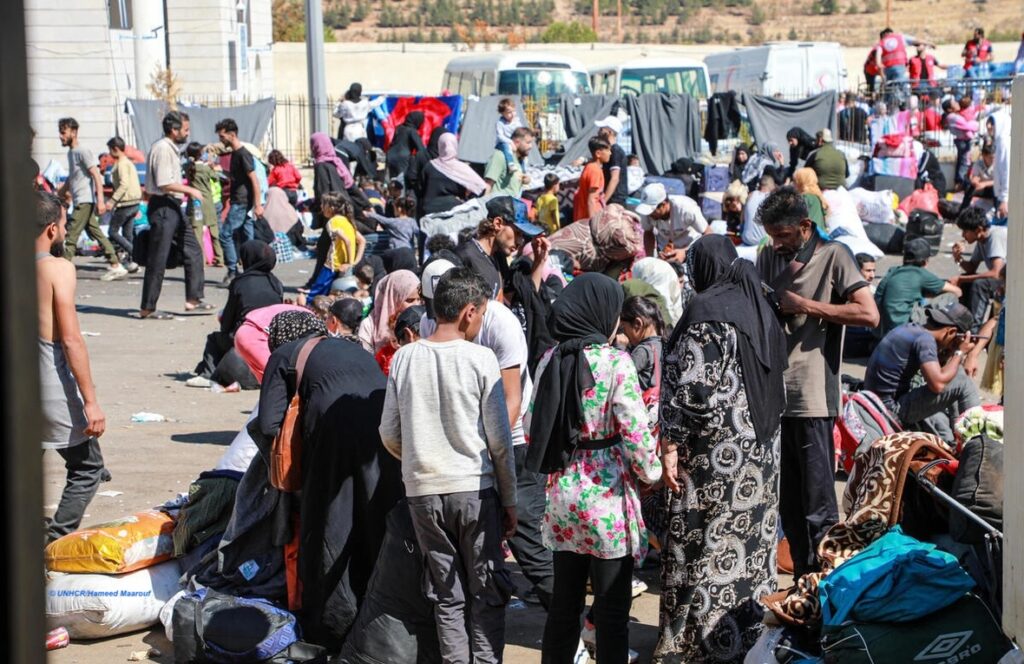
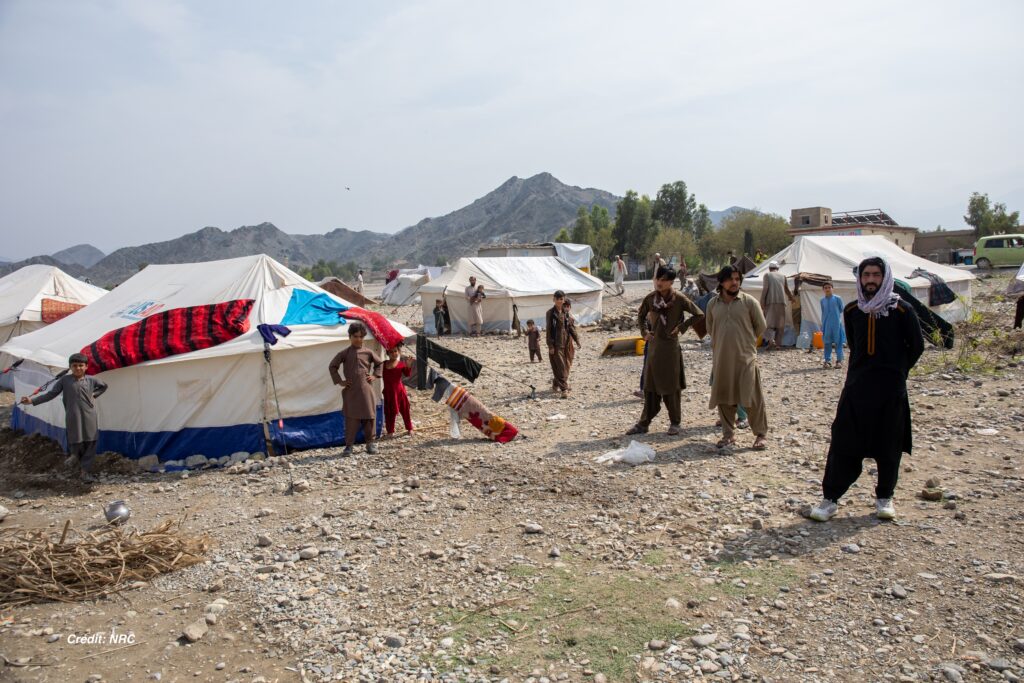
Oslo, 8 December 2025 – The Norwegian Refugee Council (NRC) said in a press release that highlights fear that the lack of funding means that millions of people enduring crises in places like the Democratic Republic of Congo, Myanmar and Syria will not get aid. This is not a foregone conclusion and must be avoided at all costs. The press release followed the announcement by the United Nations that 239 million people will need humanitarian assistance and protection in 2026.

Statement by Maureen Magee, Global Director of Field Operations, at the Norwegian Refugee Council (NRC), commenting on the Global Humanitarian Overview (GHO) for 2026:

“2026 is set to stretch humanitarian responses to their limit as they seek to support people with the most severe needs around the world.  

“Next year, 239 million people will be in need of humanitarian assistance and protection. Humanitarians are aiming to reach just over half of them. We fear a lack of funding means that millions of people enduring crises in places like the Democratic Republic of Congo, Myanmar and Syria will not get aid. This is not a foregone conclusion and must be avoided at all costs. 

“In 2025 the dramatic cuts to humanitarian funding from the United States and European donors meant the gap between required and actual funding was greater than ever. Ultimately, tens of millions of people went without the help they desperately needed. In 2026 the impact of the cuts made by donors will become even more evident on the frontlines. This cannot continue. 

“The only way to cope with the current situation is to collectively treat the symptoms and the underlying cause of need simultaneously. The humanitarian system must prioritise its efforts assisting people with the most severe needs, providing urgent and emergency interventions in crises. At the same time, the broader development system must step up its efforts to provide longer-term solutions that alleviate the underlying causes of need. This way we can support people in urgent need today while at the same time reducing long-term aid dependency. 

“At NRC we will continue to prioritise families with the most severe needs, including people who are living in remote areas or who are cut off from support by conflict. We are also working in partnership with other aid organisations to help people get back on their feet, become self-reliant, and end the cycle of aid dependency. 

“We know that with adequate resourcing for both emergency interventions to meet immediate needs and support to disrupt the drivers of need over time, displaced families can build the future they hope for and dream of. We see this through our work around the world. For example in Mozambique, where NRC’s micro-grants have enabled people to start their own businesses, or in Nigeria, where we have helped displaced children catch up on missed learning and get back into formal education, or in Jordan, where we have helped refugees obtain legal documents to be able to access healthcare and other vital services. We see these possibilities in every one of the 40 countries we work in. 

“We must not lose hope. But if we are to empower families living in the midst of terrible crises, it is vital that 2026 sees a revival of global solidarity. Nations, corporations, and citizens must step up to ensure that no one is left behind.”  

Read NRC’s paper on what to do about the widening gap between humanitarian needs and available funding that will result in millions of people off the “humanitarian books”. 

According to the Global Humanitarian Overview (GHO), 239 million people will be in need of humanitarian assistance in 2026. Of these, the UN and humanitarian partners will try to reach 135 million, of which 87 are deemed an immediate priority and face the most urgent needs. The UN and humanitarian partners have asked for 33 billion USD to meet the needs of the 135 million people targeted, while 23 billion is required to meet the most urgent needs (OCHA). 

In 2025, US$ 44 billion was requested – the lowest amount since 2021. As of early December, just 28 per cent ($12 billion is funded (OCHA).  

In June 2025 in acknowledgement of cuts, a ‘hyper-prioritised’ appeal was launched which seeks 29 billion US Dollars to meet the most critical life-saving needs of 114 million people (OCHA).  

Many major donors are cutting foreign aid budgets, which include both humanitarian and development funding. In January, the United States suspended ongoing aid projects to conduct a foreign assistance review, forcing the majority of US-funded humanitarian work to be put on hold and for much of it, eventually, to cease (Devex). In February, the United Kingdom announced it would be cutting Overseas Development Assistance (ODA) from 0.5% to 0.3% of Gross National Income by 2027 (UK Government). In February, the Dutch government also announced a EUR 2.4 billion cut in development aid from 2027 (Government of the Netherlands). The French government announced it would reduce public development assistance by more than EUR 2 billion – close to 40% of its annual funding (RFI). In Germany, the government has radically cut the humanitarian emergency aid budget, by 53%, to about €1 billion for 2025, and is estimated to stay at this level for 2026 (DW).  Swiss, Swedish, and Belgian governments have also announced cuts in aid assistance budgets (Devex, Devex,SwissInfo, Development Today).   

Since the 2025 GHO, there has been a change in how numbers of people in need of humanitarian assistance are calculated. The UN has adopted a narrower definition of “humanitarian needs” than in previous years, to offer what it believes is a more realistic assessment of priorities in light of the widespread cuts to humanitarian funding and in line with the ‘humanitarian reset’. This comes on top of a similar exercise conducted for the 2025 GHO. It is important to be aware that the lower people in need figure compared to last year (239 million now vs 305 million last year) does not mean that humanitarian needs have decreased– on the contrary, in many places the situation has worsened significantly. 

For information or to arrange an interview, please contact:  

NRC’s global media hotline: media@nrc.no, +47 905 62 329   

United Nations journalists – United Nations journalists – United Nations journalists

United Nations News – United Nations News – UN Correspondents Association – UNCA Awards 

2026: Millions in need will not get aid unless global solidarity revived Read More »

Rebuilding Multilateralism: Europe’s Role in UN Reform

Note: The European Centre for Socio-Economic, Technological and Environmental Research has announced the conference “Rebuilding Multilateralism: Europe’s Role in UN Reform.” The conference on 3 December, 2025, in Brussels is a high-level dialogue on the urgent need for a renewed multilateral order and the pivotal role the European Union can play in shaping UN reform.

The event gathers MEPs, UN experts, diplomats, and civil society representatives to rethink the architecture of global governance and launch a call to action for a more just, inclusive and effective multilateral system.

The streaming link will be sent to the registered email one day prior to the event, to the email address provided in this form.
Institutional greetings: Marco Tarquinio, MEP (S&D), Nicola Zingaretti, Head of the S&D Delegation
Moderated by: Alfonso Scarano, Vice-President of CERSTE – European Centre for Socio-Economic, Technological and Environmental Research

With:
Pasquale Ferrara, H.E. Ambassador, Director General for Political and Security Affairs;
Luigi Ferrajoli, Jurist and legal philosopher;
Wamuyu Wachira, Co-President of Pax Christi International;
Martha Inés Romero, Secretary General of Pax Christi International;
Franco Dinelli, Center for Socio-Economic Studies – Pax Christi;
Alfonso Zardi, Council of Europe;
Ghislain Le Ray, Co-representative of Pax Christi International to UNESCO.

Registration: https://forms.gle/w8yduZFKJbQ6LDHm7

MANIFESTO FOR A NEW CENTRALITY OF THE UNITED NATIONS AND FOR AUTHENTIC MULTILATERALISM

The United Nations (UN), born from the ashes of two world wars, was conceived as the universal forum for peace and cooperation. Today, however, its capacity to act as an impartial and universal body is being tested by disproportionate power dynamics, economic pressures, and limitations in the full representation of all peoples and States.

Current geopolitical tensions have exposed structural weaknesses: the use of the veto, the overwhelming influence of certain global actors, and the marginalisation of delegations and communities that do not yet enjoy full international recognition all constitute obstacles to the UN’s original mission. These economic and political pressures undermine the independence of the Organisation, transforming it from a neutral arbiter into a stage for asymmetric geopolitical interests. To restore its legitimacy and centrality, the UN must demonstrate that it is truly a multilateral institution, a place of dialogue and protection for the most vulnerable.

The European Union (EU), born from a commitment to peace and cooperation among historically divided peoples and founded on the principles of cooperation, law, and multilateralism, has the opportunity to assume a proactive and responsible role in renewing global multilateralism. The EU can leverage its economic weight and diplomatic network to push for reform of the Security Council and for greater respect for international law, acting as a bridge between different delegations and promoting the inclusion of weaker voices.

In this context, consideration of a possible transfer of the UN headquarters to Strasbourg could represent a step toward genuinely multipolar governance, rooted in a territory that symbolises reconciliation and European cooperation. Hosting the UN in Strasbourg could instill in the Organisation a renewed sense of neutrality and universality, in a city already devoted to institutional dialogue and peacebuilding.
A truly multilateral vision requires coherence between principles and practice.
To support the construction of a more just and peaceful international order, the European Union itself is called to a renewed commitment to institutional sobriety and responsibility in the use of common resources.

The presence of multiple institutional seats — Brussels, Strasbourg, Luxembourg — has historically represented the Union’s pluralism and the value of European reconciliation. However, it also carries significant costs and operational complexities that today challenge Europe’s political and moral conscience. In the context of a potential reflection on hosting the United Nations in Strasbourg, it becomes even more essential for the European Union to provide a credible example of good governance by promoting: greater harmonisation of institutional seats, considering forms of simplification and reduction of periodic travel, so as to strengthen Strasbourg’s role as a symbol of peace and international dialogue;
a more transparent and responsible use of public resources, decisively directing funds toward human and global priorities such as cooperation, development, peacebuilding, and the promotion of the inviolable rights of individuals and peoples.

Only by choosing the path of coherence, sobriety, and shared responsibility can Europe offer credible leadership and become an inspiring force for UN reform that ensures dignity, fairness, and inclusiveness for all nations.

Peace is not affirmed solely through treaties and institutions.
Peace takes root in justice, grows through transparency, and flourishes where institutions become living signs of fraternity among peoples.

United Nations journalists – United Nations journalists – United Nations journalists
United Nations News – United Nations News – UN Correspondents Association – UNCA Awards

Rebuilding Multilateralism: Europe’s Role in UN Reform Read More »

Cities are home to 45 per cent of the global population, with megacities continuing to grow, UN report finds

Jakarta (Indonesia) is now the world’s most populous city, with nearly 42 million residents, followed by Dhaka (Bangladesh) with almost 40 million, and Tokyo (Japan) with 33 millionUN Press Release

New York, 18 November 2025 – The world is becoming increasingly urban, with cities now home to 45 per cent of the global population of 8.2 billion, according to the World Urbanization Prospects 2025: Summary of Results, released today by the United Nations Department of Economic and Social Affairs (UN DESA). The number of people living in cities has more than doubled since 1950, when only 20 per cent of the world’s 2.5 billion people lived in cities. Looking ahead through 2050, two-thirds of global population growth is projected to occur in cities, and most of the remaining one-third in towns.

The number of megacities, urban areas with 10 million or more inhabitants, has quadrupled from 8 in 1975 to 33 in 2025. Over half of these (19) are in Asia.

Jakarta (Indonesia) is now the world’s most populous city, with nearly 42 million residents, followed by Dhaka (Bangladesh) with almost 40 million, and Tokyo (Japan) with 33 million. Cairo (Egypt) is the only non-Asian city among the top ten. By 2050, the number of megacities is expected to rise to 37, with cities such as Addis Ababa (Ethiopia), Dar es Salaam (United Republic of Tanzania), Hajipur (India), and Kuala Lumpur (Malaysia) projected to surpass the 10 million mark.

Despite the prominence of megacities, the report finds that small and medium-sized cities are home to more people than megacities and are growing at a faster pace, particularly in Africa and Asia. Of the 12,000 cities analyzed, 96 per cent have fewer than one million inhabitants, and 81 per cent have fewer than 250,000. The new data show that the total number of cities worldwide more than doubled between 1975 and 2025, and projections indicate that by 2050, the number of cities worldwide could exceed 15,000, with most having populations below 250,000.

The report also highlights the divergent growth patterns of cities. While many cities continue to expand, others are experiencing population decline. Notably, some city populations are shrinking even as their countries’ populations grow, while others are growing despite the decline of the national population. Most shrinking cities had fewer than 250,000 inhabitants in 2025, with over one-third located in China and 17 per cent in India. However, some very large cities, including Mexico City (Mexico) and Chengdu (China), have also seen population decreases.

Towns, defined as population clusters of at least 5,000 inhabitants and a density of at least 300 people per square kilometer, are the most common settlement type in 71 countries as diverse as Germany, India, Uganda, and the United States. They play a vital role in connecting rural areas and cities, offering essential services and supporting local economies.

Rural areas remain the most common settlement type in 62 countries today, down from 116 in 1975. By 2050, this number is projected to decline further to 44 countries. Rural settlements still dominate in some countries in Europe including Austria, Bulgaria, Finland, and Romania, as well as in numerous countries in sub-Saharan Africa, such as the Central African Republic, Chad, Eswatini, Mozambique and Zambia, among others. Sub-Saharan Africa is the only region where rural populations have continued to grow significantly, and the region is expected to account for nearly all future rural population growth.

“As governments convene at COP30 to advance global climate commitments, the United Nations underscores the pivotal role of urbanization in driving sustainable development and climate resilience across all settlement types,” said Li Junhua, United Nations Under-Secretary-General for Economic and Social Affairs. “Urbanization is a defining force of our time. When managed inclusively and strategically, it can unlock transformative pathways for climate action, economic growth, and social equity. To achieve balanced territorial development, countries must adopt integrated national policies that align housing, land use, mobility, and public services across urban and rural areas.”

The World Urbanization Prospects 2025: Summary of Results provides a critical evidence base for policymakers, planners, and researchers working to shape sustainable, inclusive, and resilient urban futures. This edition also introduces major methodological innovations. For the first time, it integrates the Degree of Urbanization, a harmonized geospatial approach that provides projections for three categories of settlements: cities, towns, and rural areas. This new approach enhances international comparability and offers a more nuanced understanding of urbanization trends.

The 2025 revision also significantly expands geographic coverage. The minimum population threshold for cities has been lowered from 300,000 to 50,000 inhabitants, resulting in an increase in the number of cities analyzed to over 12,000. In addition to population estimates, this new grid-based approach provides land area and built-up area data for each settlement type, offering a more comprehensive view of urban development.

All materials related to the World Urbanization Prospects 2025, including the summary report and the complete dataset, are available at population.un.org.

Hashtag: #WorldUrbanizationReport, #UNpopulation

Media Contacts:

Alexandra del Castello |UN Department of Global Communications | E: alexandra.delcastello@un.org 
Helen Daun Rosengren |UN Department of Economic and Social Affairs | E: rosengrenh@un.org   
Karoline Schmid | UN Department of Economic and Social Affairs | E: schmidk@un.org

United Nations journalists – United Nations journalists – United Nations journalists

United Nations News – United Nations News – UN Correspondents Association – UNCA Awards 

Cities are home to 45 per cent of the global population, with megacities continuing to grow, UN report finds Read More »

Over half a million people dying each year from extreme heat – “Climate crisis is a health crisis,” World Health Organization says

Note: The World Health Organization (WHO) and Brazil have issued special reports on the deadly impact of climate change on humans worldwide at the 30th UN climate summit in Belem, Brazil. They urge swift action on the Belém Health Action Plan. Following is a news release.

Belém/Geneva, 14 November 2025 – Climate change is already driving a global health emergency, with over 540,000 people dying from extreme heat each year and 1 in 12 hospitals worldwide at risk of climate-related shutdowns, warns a new special report, released today jointly by the World Health Organization (WHO), the Government of Brazil (COP30 Presidency) and the Brazilian Ministry of Health.

The COP30 Special report on health and climate change: delivering the Belém Health Action Plan, notes that rising temperatures and collapsing health systems are claiming more lives, and calls for immediate and coordinated action to protect health in a rapidly warming world. It follows the launch of the Belém Health Action Plan, a flagship initiative of Brazil’s COP 30 Presidency, unveiled on the dedicated Health Day of COP30 – 13 November 2025.

“The climate crisis is a health crisis – not in the distant future, but here and now,” said Dr Tedros Adhanom Ghebreyesus, WHO Director-General. “This special report provides evidence on the impact of climate change on individuals and health systems, and real-world examples of what countries can do – and are doing – to protect health and strengthen health systems.”

With global temperatures now exceeding 1.5°C above pre-industrial levels, the world is already experiencing mounting health impacts. The report finds that 3.3 to 3.6 billion people already live in areas highly vulnerable to climate change, and hospitals are facing 41% higher risk of damage from extreme weather-related impact compared to 1990. This underscores the urgent need to strengthen and adapt health systems to protect communities from climate-related shocks.

Without rapid decarbonization, the number of health facilities at risk could double by mid-century, which stresses the critical importance of implementing adaptation measures to safeguard health infrastructure. The health sector itself contributes around 5% of global greenhouse gas emissions and needs rapid transition to low-carbon, climate-resilient systems.

The report identifies persistent gaps that require urgent attention. Only 54% of national health adaptation plans assess risks to health facilities, and fewer than 30% of health adaptation studies consider income, 20% consider gender, and less than 1% include people with disabilities.

“The evidence is clear: protecting health systems is one of the smartest investments any country can make,” said Professor Nick Watts, Chair of the Expert Advisory Group and Director, NUS Centre for Sustainable Medicine. “Allocating just 7% of adaptation finance to health would safeguard billions of people and keep essential services operating during climate shocks – when our patients most need them.”

There is progress being made; between 2015 and 2023, the number of countries with national Multi-Hazard Early Warning Systems (MHEWS) doubled to 101, now covering about two-thirds of the global population. However, only 46% of Least Developed Countries and 39% of Small Island Developing States have effective systems in place.

The report’s central message is clear: there is now more than enough evidence to scale up action, today. Cost-effective, high-impact, and no-regret interventions exist for each component of the Belém Health Action Plan.  But adaptation strategies could ultimately fail unless they address the root causes of health inequity – both within health systems and across society.

The report calls on governments to: Integrate health objectives into Nationally Determined Contributions (NDCs) and National Adaptation Plans (NAPs);

Harness the financial savings from decarbonization to fund health adaptation and workforce capacity;

Invest in resilient infrastructure, prioritizing health facilities and essential services; and

Empower communities and local knowledge systems to shape responses that reflect lived realities.

The Government of Brazil also released a companion reportSocial participation, climate and health: a special report to support implementation of the Belém Health Action Plan, which focuses on social participation, governance, and community engagement as a critical dimension of the Belém Health Action Plan. The report highlights that climate change poses profound risks to human health, particularly for vulnerable and historically marginalized populations, and that effective adaptation requires the active involvement of communities in designing, implementing, and monitoring health policies.

“By releasing this report, Brazil and WHO reaffirm the importance of COP30 as the COP of Truth. The report provides clear data and evidence that climate change is already directly affecting health systems around the world,” says Dr Alexandre Padilha, Minister of Health, Brazil. “Recent tragedies show that now is the time to implement policies and actions that address the impacts of climate change on health. The Belém Health Action Plan and this report offer countries the tools they need to turn scientific evidence into concrete action.”

Together, the two reports provide complementary pathways for translating the Plan’s objectives into practice – one focused on evidence and implementation, the other on inclusive participation and leadership across societies.

About the Belém Health Action Plan – The Belém Health Action Plan, a flagship outcome of Brazil’s COP 30 Presidency, is structured around two cross cutting principles and concepts: health equity and ‘climate justice’ and leadership and governance on climate and health with social participation.

The Plan also outlines three lines of action for climate-resilient health systems: Surveillance and monitoring, focused on strengthening integrated and climate-informed health surveillance;

Evidence-based policies, strategies and capacity-building, aimed at enhancing the ability of national and local systems to implement effective, equity-driven solutions; and

Innovation, production, and digital health, which promotes research, development, and access to technologies that meet the health needs of diverse populations.

The COP30 special report was prepared under the guidance of an Expert Advisory Group of global public health leaders, chaired by the NUS Centre for Sustainable Medicine and with the leadership of the WHO and the Brazilian Ministry of Health. Drawing on more than 70 case studies from around the world, the report identifies practical interventions already delivering results – from early warning systems and green hospital design to climate-informed health planning and sustainable financing.

Media Contacts:

WHO Media Team: Email: mediainquiries@who.int

PAHO Media Team: Email: mediateam@paho.org

Brazil Media contact: Email: imprensa@saude.gov.br

Related

COP30 Special report on health and climate change: delivering the Belém Health Action Plan

Belém Health Action Library

Report on social participation, governance and community engagement

Belém Health Action Plan

Health at COP30

Events:

COP30 Health Day

Regions: AfricaAmericasEastern MediterraneanEuropeSouth-East AsiaWestern Pacific

Policies: CybersecurityEthicsInformation disclosure

United Nations journalists – United Nations journalists – United Nations journalists

United Nations News – United Nations News – UN Correspondents Association – UNCA Awards 

Over half a million people dying each year from extreme heat – “Climate crisis is a health crisis,” World Health Organization says Read More »

Majority of 117 million refugees displaced by war and persecution live in countries exposed to extreme weather and climate shocks: UN Refugee Agency

  Belem, Brazil, 10 November 2025  – Millions of refugees, people forced to flee, and their hosts are trapped in an increasingly vicious cycle of conflict and climate extremes, according to a new report released today by UNHCR, the UN Refugee Agency. The report warns that climate shocks are undermining chances of recovery, increasing humanitarian needs, and amplifying the risks of repeated displacement.

By mid-2025, 117 million people had been displaced by war, violence and persecution. Three in four of them are living in countries facing high-to-extreme exposure to climate-related hazards. Over the past 10 years, weather-related disasters have caused some 250 million internal displacements – equivalent to around 70,000 displacements per day. Whether it is floods sweeping South Sudan and Brazil, record-breaking heat in Kenya and Pakistan, or water shortages in Chad and Ethiopia, extreme weather is pushing already fragile communities to the brink.

“Around the world, extreme weather is putting people’s safety at greater risk. It is disrupting access to essential services, destroying homes and livelihoods, and forcing families – many who have already fled violence – to flee once more,” said Filippo Grandi, UN High Commissioner for Refugees. “These are people who have already endured immense loss, and now they face the same hardships and devastation again. They are among the hardest hit by severe droughts, deadly floods and record-breaking heatwaves, yet they have the fewest resources to recover.”

In many places, basic survival systems are under strain. In parts of flood-affected Chad, newly arrived refugees from war-torn Sudan receive less than 10 litres of water a day – far below emergency standards. By 2050, the hottest refugee camps could face nearly 200 days of hazardous heat stress per year, with serious risks to health and survival. Many of these locations are likely to become uninhabitable due to the deadly combination of extreme heat and high humidity.

Environmental degradation is deepening the challenges communities are facing. New data in the report reveals that three-quarters of Africa’s land is deteriorating, and more than half of the continent’s settlements for refugees and internally displaced people are located in areas under severe ecological stress. This is shrinking access to food, water and income. In parts of the Sahel, communities report that climate-linked livelihood losses are driving recruitment into armed groups, showing how environmental stress can fuel cycles of conflict and displacement.

At the same time, funding shortfalls and a deeply inequitable climate finance system are leaving millions unprotected. Fragile and conflict-affected countries hosting refugees receive only a quarter of the climate finance they need, while the vast majority of global climate funding never reaches displaced communities or their hosts.

“Funding cuts are severely limiting our ability to protect refugees and displaced families from the effects of extreme weather. If we want stability, we must invest where people are most at risk. To prevent further displacement, climate financing needs to reach the communities already living on the edge,” Grandi added. “They cannot be left alone. This COP must deliver real action, not empty promises.”

Despite the challenges, UNHCR stresses that solutions are possible. Displaced and host communities can be powerful agents of resilience, but only if they are included in national climate plans, supported through targeted investment, and given a voice in decisions that affect their future. Yet, most national climate plans still overlook refugees and other displaced people, as well as the communities that host them.

As the world gathers for COP30, UNHCR is urging governments, financial institutions and the international community to take decisive action. By including displaced people and their host communities in climate planning and decision-making, investing in adaptation and resilience-building, and ensuring that climate finance reaches those on the front lines.

Key data from the report:

•    Three in every four refugees or people displaced by conflict are currently living in countries facing high-to-extreme exposure to climate-related hazards.
•    250 million internal displacements caused by weather-related disasters in the past decade – around 70,000 every day (2 displacements every 3 seconds).
•    1.2 million refugees returned home in early 2025, half to climate-vulnerable areas.
•    75 per cent of land in Africa is deteriorating, with over half of refugee settlements in high-stress areas.
•    Nearly all current refugee settlements will face an unprecedented rise in hazardous heat. By 2050, the hottest fifteen refugee camps in the world – located in Gambia, Eritrea, Ethiopia, Senegal and Mali – are projected to face nearly 200 days or more of hazardous heat stress per year.
•    By 2040, the number of countries facing extreme climate hazards could rise from 3 to 65.
•    Since April 2023, nearly 1.3 million people fleeing the conflict in Sudan have sought refuge in South Sudan and Chad, two countries among the least equipped to cope with the growing climate emergency.


The new report, No Escape II: The Way Forward, builds on last year’s analysis with new data and predictive insights on solutions required to fill the disproportionate gaps faced by front-line communities, including refugees and people forced to flee. It focuses on practical solutions and the urgent action needed to strengthen resilience where it’s needed most. To produce this report, UNHCR partnered with 27 expert organizations, research institutions, private sector actors and refugee-led organizations.

The report was officially launched during the 2025 UN Climate Change Conference (COP30) during a press conference with UN High Commissioner for Refugees Filippo Grandi.

UNHCR, the UN Refugee Agency, will have a senior team at COP30 to ensure the plight of displaced people and their urgent need for protection, financing and support are included in discussions and decisions throughout the summit.
For more information on this topic, please contact: In Geneva, Eujin Byun, byun@unhcr.org, +41 79 747 8719 – In Belém, Joelle Eid, eidj@unhcr.org, +34 605 98 13 21

United Nations journalists – United Nations journalists – United Nations journalists

United Nations News – United Nations News – UN Correspondents Association – UNCA Awards 

Majority of 117 million refugees displaced by war and persecution live in countries exposed to extreme weather and climate shocks: UN Refugee Agency Read More »

UN climate summit urged to set 1.5 degrees C as red line to avert global catastrophe

Belem, Brazil/New York, 9 November 2025 – Government leaders and civil society organizations as well as climate scientists have begun once again each year the difficult task of convincing nations across the world to switch from fossil fuels to green energy to keep global temperatures at 1.5 degrees Celsius to avert climate disasters as many parts of the world have experienced.

But some of the world’s top carbon polluters failed to send high-ranking government decision makers to attend preliminary discussion of the 30th climate conference which this year is held at the Amazon city of Belem (10-21 November). The United States under the Trump administration rejected the green energy concept and boycotted the high-level meeting while China and India sent government ministers to the meeting. The three countries are responsible for more than 50 per cent of the world’s heat trapping carbon dioxide from burning of coal, oil and natural gas. President Donald Trump pulled the US out of the 2015 Paris Agreement, which set 1.5 degrees as global temperatures.

“Science tells us it is still possible to keep temperature rise below 1.5 degrees Celsius by the end of the century,” UN Secretary General Antonio Guterres told the Belem conference before its official opening on November 10. “Yet, a temporary overshoot above 1.5 degrees, starting, at the latest, in the early 2030s, is now inevitable. But we can manage the scale and duration of that overshoot and bring temperatures back down – if we take serious action now. “

Guterres said countries are required to take deep emissions cuts of 60 per cent by 2035 to stay on track to meeting 1.5. He said the 1.5° C limit remains “a red line for humanity”, calling for rapid emissions cuts, an accelerated phase-out of fossil fuels, and stronger protection of forests and oceans. He pointed out the growing global momentum of the clean energy revolution while investments in renewables have now exceed those in fossil fuels by $800 billion.

“Clean energy is winning in price, performance, and potential,” he said, “but what is still missing is political courage.”

The UN said green energy sources now accounted for 90 per cent of new power capacity last year, while investment in them reached $2 trillion, or $800 billion more than fossil fuels.

“The renewables revolution is here,” Guterres said while pointed out that “To return below 1.5 degrees by century’s end, global emissions must fall by almost half by 2030, reach net zero by 2050, and go net negative afterwards.”

World faces serious climate crisis and damages despite efforts to keep global temperatures low

A UN Environment Program assessment of available new climate pledges under the Paris Agreement finds that “the predicted global temperature rise over the course of this century has only slightly fallen, leaving the world heading for a serious escalation of climate risks and damages.”

UNEP said in its Emissions Gap Report 2025: Off Target, issued before the Belem conference, which finds that global warming projections over this century, are now 2.3-2.5°C, compared to 2.6-2.8°C in last year’s report. Implementing only current policies would lead to up to 2.8°C of warming, compared to 3.1°C last year.

“The report finds that the multi-decadal average of global temperature rise will exceed 1.5°C, at least temporarily. This will be difficult to reverse – requiring faster and bigger additional reductions in greenhouse gas emissions to minimize overshoot, reduce damages to lives and economies, and avoid over-reliance on uncertain carbon dioxide removal methods,” the Nairobi-based UN agency said in a press release.

“Nations have had three attempts to deliver promises made under the Paris Agreement, and each time they have landed off target,” said Inger Andersen, Executive Director of UNEP. “While national climate plans have delivered some progress, it is nowhere near fast enough, which is why we still need unprecedented emissions cuts in an increasingly tight window, with an increasingly challenging geopolitical backdrop.”

“But it is still possible – just. Proven solutions already exist. From the rapid growth in cheap renewable energy to tackling methane emissions, we know what needs to be done. Now is the time for countries to go all in and invest in their future with ambitious climate action – action that delivers faster economic growth, better human health, more jobs, energy, security and resilience.” (By J. Tuyet Nguyen)

United Nations journalists – United Nations journalists – United Nations journalists

United Nations News – United Nations News – UN Correspondents Association – UNCA Awards 

UN climate summit urged to set 1.5 degrees C as red line to avert global catastrophe Read More »

UN: World faces serious climate crisis and damages despite efforts to keep global temperatures low.

New York, 4 November 2025 – Decades of efforts and new pledges by nations to keep global temperatures down have done little to fight climate change and the world is now facing “serious” escalation of climate crisis and damages, the UN Environment Program (UNEP) said in advance of the 30th climate change conference at the Amazon city of Belem, Brazil.

Government leaders, climate scientists, civil society and non-governmental organizations are to meet in Belem 10 to 21 November, to review progress on efforts to fight climate change as temperatures are now predicted to reach 2.3 – 2.5 degree Celsius, exceeding the agreed temperatures of 1.5 degree C under the Paris Agreement reached in 2015. Many countries also have failed to submit national action plans to fight climate change.

 A UNEP assessment of available new climate pledges under the Paris Agreement finds that “the predicted global temperature rise over the course of this century has only slightly fallen, leaving the world heading for a serious escalation of climate risks and damages.”

UNEP said in its Emissions Gap Report 2025: Off Target, issued before the Belem conference, which finds that global warming projections over this century, are now 2.3-2.5°C, compared to 2.6-2.8°C in last year’s report. Implementing only current policies would lead to up to 2.8°C of warming, compared to 3.1°C last year.

“The report finds that the multi-decadal average of global temperature rise will exceed 1.5°C, at least temporarily. This will be difficult to reverse – requiring faster and bigger additional reductions in greenhouse gas emissions to minimize overshoot, reduce damages to lives and economies, and avoid over-reliance on uncertain carbon dioxide removal methods,” the Nairobi-based UN agency said in a press release.

“Nations have had three attempts to deliver promises made under the Paris Agreement, and each time they have landed off target,” said Inger Andersen, Executive Director of UNEP. “While national climate plans have delivered some progress, it is nowhere near fast enough, which is why we still need unprecedented emissions cuts in an increasingly tight window, with an increasingly challenging geopolitical backdrop.”

“But it is still possible – just. Proven solutions already exist. From the rapid growth in cheap renewable energy to tackling methane emissions, we know what needs to be done. Now is the time for countries to go all in and invest in their future with ambitious climate action – action that delivers faster economic growth, better human health, more jobs, energy, security and resilience.”

Slow climate adaptation threatens lives and economies.

UNEP said rising global temperatures and intensifying climate impacts have created a “yawning gap” in adaptation finance for developing countries, threatening live, livelihoods and economies in those countries. It said in Adaptation Gap Report 2025: Running on Emptythat financial needs by developing countries by 2035 to adapt to climate are over US$310 billion per year – 12 times as much as current international public adaptation finance flows. 

“Climate impacts are accelerating. Yet adaptation finance is not keeping pace, leaving the world’s most vulnerable exposed to rising seas, deadly storms, and searing heat,” UN Secretary-General António Guterres in his message on the report. “Adaptation is not a cost – it is a lifeline. Closing the adaptation gap is how we protect lives, deliver climate justice, and build a safer, more sustainable world.  Let us not waste another moment.”

“Every person on this planet is living with the impacts of climate change: wildfires, heatwaves, desertification, floods, rising costs and more,” said Inger Andersen, Executive Director of UNEP. “As action to cut greenhouse gas emissions continues to lag, these impacts will only get worse, harming more people and causing significant economic damage. 

“We need a global push to increase adaptation finance – from both public and private sources – without adding to the debt burdens of vulnerable nations. Even amid tight budgets and competing priorities, the reality is simple: if we do not invest in adaptation now, we will face escalating costs every year.”

United Nations journalists – United Nations journalists – United Nations journalists

United Nations News – United Nations News – UN Correspondents Association – UNCA Awards 

UN: World faces serious climate crisis and damages despite efforts to keep global temperatures low. Read More »

UN marks 80th birthday with demand to reform the powerful Security Council

New York, 24 October 2025 – The United Nations was established on this date in 1945 when its founding Charter went into effect after World War II came to an end with the responsibility to prevent the scourge of another world war. There had been no world war in eight decades, but the Security Council’s “legitimacy is fragile,” UN Secretary General Antonio Guterres said.

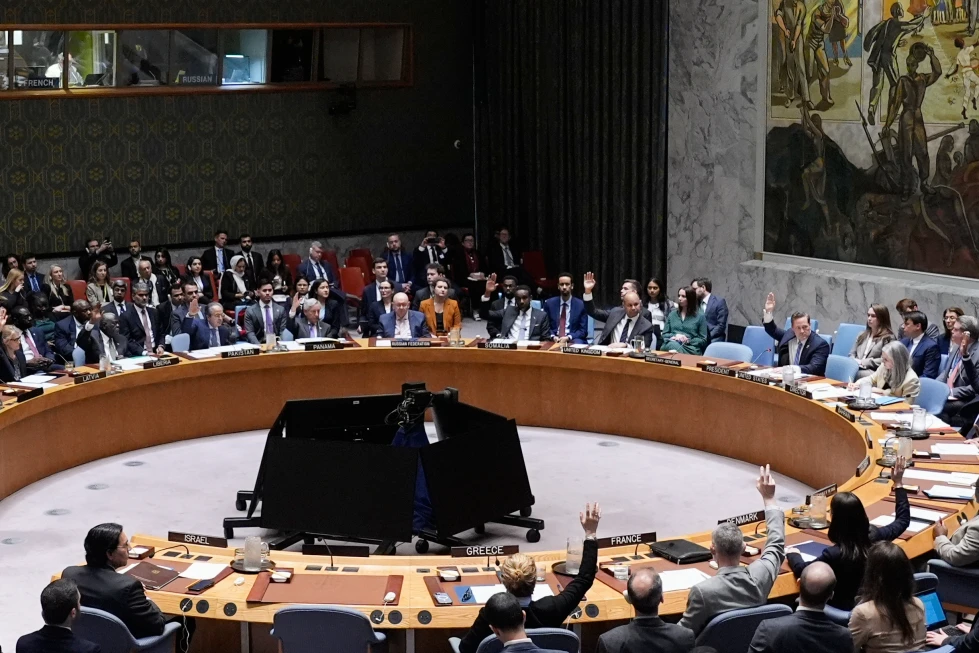
The Security Council is comprised of five permanent members – the US, Russia, China, United Kingdom and France – and 10 members elected for two-year term each. The council’s decisions are binding on UN member states but any of the five permanent members can veto those decisions, a power not given to non-permanent members. Division among the permanent members has paralyzed the council and the organization, particularly in diplomatic efforts to end the conflicts in Ukraine and Gaza.

October 24 each year is designated United Nations Day. As it prepared to celebrate this year its 80th birthday, the UN has seen its work and programs, particularly global humanitarian activities, threatened by deep funding cuts by the Trump administration since early 2025.

Guterres told an open meeting of the Security Council that “on many pivotal occasions” it delivered the task of maintaining peace and security in the world, and that the council exists for people and it has built a “lasting global framework to combat terrorism.”

“Above all, you have given us 80 years without the chaos of a great power war,” Guterre said. “The Council is a vital necessity, and a powerful force for good. But at the same time, its legitimacy is fragile. Too often, we have seen members of this body act outside the principles of the Charter principles we have all freely agreed to as sovereign nations. When that happens, it not only stalls action in the moment; it erodes trust in the entire United Nations project. It also puts us all in great danger.”

“When one nation flouts the rules, others think they have license to do the same. And history tells us, with brutal clarity, where that road leads,” he said. “Reform of the Security Council is imperative, and long overdue, for the maintenance of global order and safety.”

Guterres’ Pact for the Future has called for enlarging the 15-nation council to include more than 20 countries, with more permanent and non-permanent members. He said an African nation and another from Latin America and Caribbean should be made a permanent member of the council.

The UN chief called for “a Security Council fit for purpose, the world is in grave danger. It is our duty to forge a body that can meet the challenges of the next 80 years — one that delivers justice and safety for all.”

Guterres warns UN is facing a “race to bankruptcy” – While celebrating its 80th anniversary, the UN and many of its specialized agencies are facing funding shortages that have already curtailed its programs. On October 17 Guterres told a committee of the UN General Assembly which handles UN finances and administration that the UN may face bankruptcy unless its member states pay their dues in full and on time.

Guterres presented a sharply reduced $3.238 billion regular budget for 2026 for its administration and staff known as the UN Secretariat after revising the original budget proposal for 2026 which was estimated at $3.715 billion, a drop of over 15 per cent.

UN News said the revised regular budget called for reducing staffing from the original 2026 proposal funding 13,809 posts (10,667 regular posts plus 3,142 Special Political Mission posts) to 11,594 posts – an 18.8 per cent cut compared with 2025.

It said the UN entered 2025 with a $135 million deficit and by the end of September had collected only 66.2 per cent of the year’s assessments, down from 78.1 per cent at the same point in 2024. As of mid-October 2025, only 136 of the 193 countries that are UN members had paid their assessments in full, including the United States, China, Russia and Mexico which had yet to complete their payments.

The UN peacekeeping operations, which employed tens of thousands of peacekeepers worldwide, are facing deep cuts because UN member states failed to pay their assessments to the programs.

(By J. Tuyet Nguyen)

United Nations journalists – United Nations journalists – United Nations journalists

United Nations News – United Nations News – UN Correspondents Association – UNCA Awards 

UN marks 80th birthday with demand to reform the powerful Security Council Read More »

UN welcomes US-brokered Gaza ceasefire, calls for Israel and Hamas to implement peace plan

New York, 9 October 2025 – The United Nations hailed the Trump administration’s 20-point plan that was signed off by both Israel and Hamas, triggering an immediate ceasefire of the two-year war in Gaza.

“We have all waited far too long for this moment,” UN Secretary-General Antonio Guterres said in a statement following the announcement of the ceasefire and implementation of the first phase of the plan. “Now we must make it truly count. I urge all parties to fully abide by the terms of the agreement – and to fully embrace the opportunities it presents.”

“All hostages must be released in a dignified manner. A permanent ceasefire must be secured. The bloodshed must stop, once and for all. The United Nations stands to provide its full support,” Guterres said. “I commend the diplomatic efforts of the United States, Qatar, Egypt and Türkiye in brokering this desperately needed breakthrough.”

The UN chief called for “full, safe and sustained access” for humanitarian workers; the removal of red tape and impediments and the rebuilding of shattered infrastructure as well as for UN member states to ensure funding of the humanitarian operations.

“I urge all to seize this momentous opportunity to establish a credible political path forward,” he said. “A path towards ending the occupation, recognizing the right to self-determination of the Palestinian people, and achieving a two-state solution.

A path to a just and lasting peace between Israelis and Palestinians – and to wider peace security in the Middle East.”

The plan’s first phase calls for both sides to immediately cease all military operations, for Hamas to release all remaining Israeli hostages and for Israel to release Palestinian prisoners and detainees. It calls also for full and safe passage of humanitarian aid, food and medical supplies into Gaza.

United Nations journalists – United Nations journalists – United Nations journalists

United Nations News – United Nations News – UN Correspondents Association – UNCA Awards 

UN welcomes US-brokered Gaza ceasefire, calls for Israel and Hamas to implement peace plan Read More »

Gaza: Civilians are starving, displaced and trapped, world leaders must act now

Note: The Norwegian Refugee Council is urging global leaders to press Israel and Hamas for an immediate and permanent ceasefire as the second anniversary of the hostilities approaches.  

Oslo, 2 October 2025 – Aid workers of the Norwegian Refugee Council (NRC) inside Gaza City and across the middle and southern parts of Gaza are witnessing spreading famine, intensifying bombardment and spiralling displacement. The NRC urges global leaders today to press Israel and Hamas for an immediate and permanent ceasefire, secure the release of hostages and Palestinian detainees, and allow civil society and aid agencies to operate freely in Gaza.  

“In Gaza City, hundreds of thousands are encircled by shelling, drones and ground troops, denied aid, and ordered to move without safe passage. Life has been reduced to a fight for water and bread,” said Jan Egeland, NRC’s Secretary General. “World leaders talk of plans, but everyday people here bury their children. Words mean nothing without action.”  

In the past six weeks alone, Israel has displaced more than 10,000 Palestinians daily, forcing nearly half a million people to flee south. Overcrowded shelters are forcing families to sleep in the open and on the streets, while water, food, medicine and shelter supplies trickle in at a fraction of what is needed. NRC provides lifesaving water at 12 displacement sites in Gaza City, but even these operations are threatened by bombardment and denied access.  

President Trump’s recently announced a 20-point Gaza plan has drawn global attention. Its value will be measured not in words, but in whether aid agencies can deliver freely and Gaza’s future is determined with, not imposed on, its people. “We welcome the plan’s commitment to UN-led aid delivery, but this must be upheld. Civil society cannot be sidelined, and peace cannot be built on dictates,” Egeland said.  

Israel’s latest offensive on Gaza City coincided with famine being declared there and the UN Commission of Inquiry determining that Israel is committing genocide. International efforts have not stopped the assault or compelled Israeli authorities to allow sufficient aid to reach civilians.  

“For two years, Gaza’s families have endured destruction, starvation, and relentless displacement. Our own staff have lost relatives, been displaced again and again, and still they go out to serve their neighbours,” Egeland added. “The international community must not watch another year of atrocity unfolding, it must act now to end the killing and open the crossings.” 

Notes to editors: 

  • Between 14 August and 27 September, 446,115 Palestinians were displaced from Gaza City, where one million people lived before Israel’s offensive, an average of 10,622 people each day. (Site Management Cluster
  • NRC provides 87 cubic metres of water daily in Gaza City, reaching 11,500 people across 12 displacement sites. This is about 7.6 litres per person, 7.4 litres below global standards. (Sphere standard
  • NRC’s water trucking to some displacement sites was halted in recent days due to access constraints. Israel has damaged key water pipelines in Gaza City, intensifying displacement pressures. Sites and populations shift daily with Israeli troop movements, fuel remains scarce, airstrikes and drone attacks make every movement risky, and some suppliers have relocated assets to the south, threatening the shutdown of remaining services in the city.  
  • In the south, people are crammed into a very limited area. Families often pay high sums to rent small plots of land. No housing is available, and services are overstretched and unable to cope. 

For more information or to arrange an interview, please contact:   

United Nations journalists – United Nations journalists – United Nations journalists

United Nations News – United Nations News – UN Correspondents Association – UNCA Awards 

Gaza: Civilians are starving, displaced and trapped, world leaders must act now Read More »