


New York, 12 July 2025 – The United Nations Development Program (UNDP), speaking on behalf of five other UN agencies that are deeply committed to humanitarian assistance in Gaza, said fuel shortage in the enclave has reached a dangerous level that can starve the population there and close hospitals as well as other essential services.
UNDP, the World Food Program, the World Health Organization, the UN Funds for Population, UN Children’s Fund, the UN Office for Humanitarian
Affairs, the UN Office for Project Services and the UN agency for Palestinian Refugees (UNWRA) issued a joint statement as aid cuts and the on-going Israel-Hamas war have worsened the humanitarian conditions in Gaza.
The joint statement said, “Fuel is the backbone of survival in Gaza. It powers hospitals, water systems, sanitation networks, ambulances, and every aspect of humanitarian operations. Fuel supplies are needed to move the fleet used for transporting essential goods across the Strip and to operate a network of bakeries producing fresh bread for the affected population. Without fuel, these lifelines will vanish for 2.1 million people.
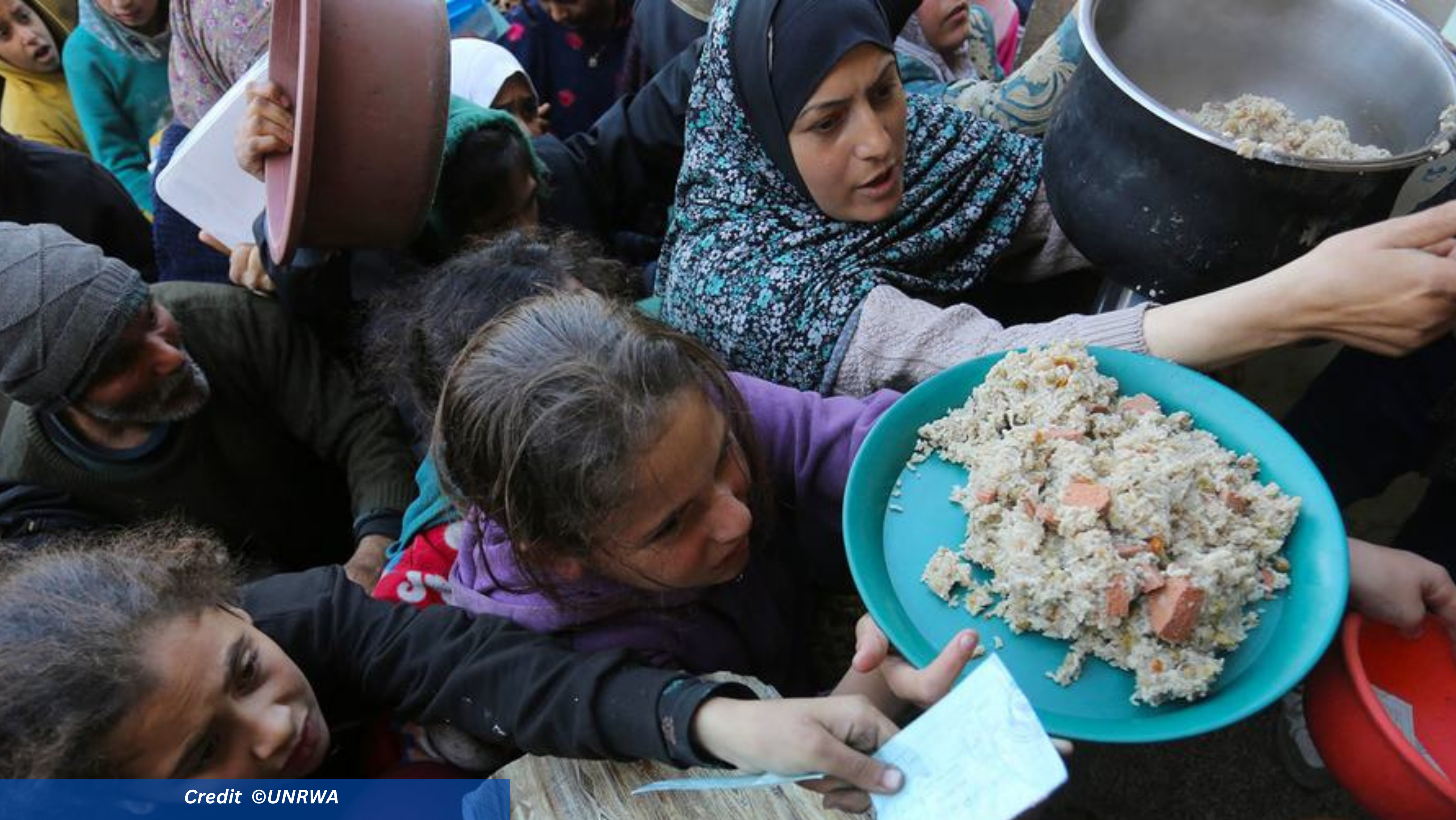
After almost two years of war, people in Gaza are facing extreme hardships, including widespread food insecurity. When fuel runs out, it places an unbearable new burden on a population teetering on the edge of starvation.
Without adequate fuel, UN agencies responding to this crisis will likely be forced to stop their operations entirely, directly impacting all essential services in Gaza. This means no health services, no clean water, and no capacity to deliver aid.
Without adequate fuel, Gaza faces a collapse of humanitarian efforts. Hospitals are already going dark, maternity, neonatal and intensive care units are failing, and ambulances can no longer move. Roads and transport will remain blocked, trapping those in need. Telecommunications will shut down, crippling lifesaving coordination and cutting families off from critical information, and from one another.
Without fuel, bakeries and community kitchens cannot operate. Water production and sanitation systems will shut down, leaving families without safe drinking water, while solid waste and sewage pile up in the streets. These conditions expose families to deadly disease outbreaks and push Gaza’s most vulnerable even closer to death.
For the first time in 130 days, a small amount of fuel entered Gaza this week. This is a welcome development, but it is a small fraction of what is needed each day to keep daily life and critical aid operations running.
The United Nations agencies and humanitarian partners cannot overstate the urgency of this moment: fuel must be allowed into Gaza in sufficient quantities and consistently to sustain life-saving operations.” [Ends]
WFP says starvation is already “spreading” in Gaza
Carl Skau, the Deputy Executive Director of WFP, told the international media at UN Headquarters in New York on 11 July that his most recent visit to Gaza a week before showed that the situation has worsened.
“The humanitarian needs have never been higher, but also our ability to respond and to assist had never been more constrained. And let me begin with the situation. Starvation is spreading,” he said, adding that a study pointed out that the entire population is being acutely food insecure, and 500,000 people in starvation. “Since then, certainly it hasn’t gotten better. If anything, it’s much worse now. Malnutrition is surging.”
Skau cited a UNICEF report that said that 90,000 children now in the urgent need of treatment for malnutrition.
“One in three people in Gaza go for days without eating. I met many of those families who told me that there are days that their children are not eating at all, but the days where they are eating, it’s often a hot soup they get from us with just a few lentils or a few pieces of pasta, so certainly not enough. And I had mothers telling me how they’re trying to have kids not to play so that they don’t draw more energy than they’re able to provide them with through food.”
“I think it’s important to point to the displacement situation,” Skau said. “I’ve said before that I met families who have moved maybe two three times. Now it’s a situation where I meet families who have moved two three times in the past 10 days. They’ve moved 20 or 30 times, and obviously every time they are able to bring less and the margins to survive become slimmer. And the fact that people are now dying every day trying to get food is the starkest illustration of how desperate the situation is.” (By J. Tuyet Nguyen)
United Nations journalists – United Nations journalists – United Nations journalists
United Nations News – United Nations News – UN Correspondents Association – UNCA Awards