


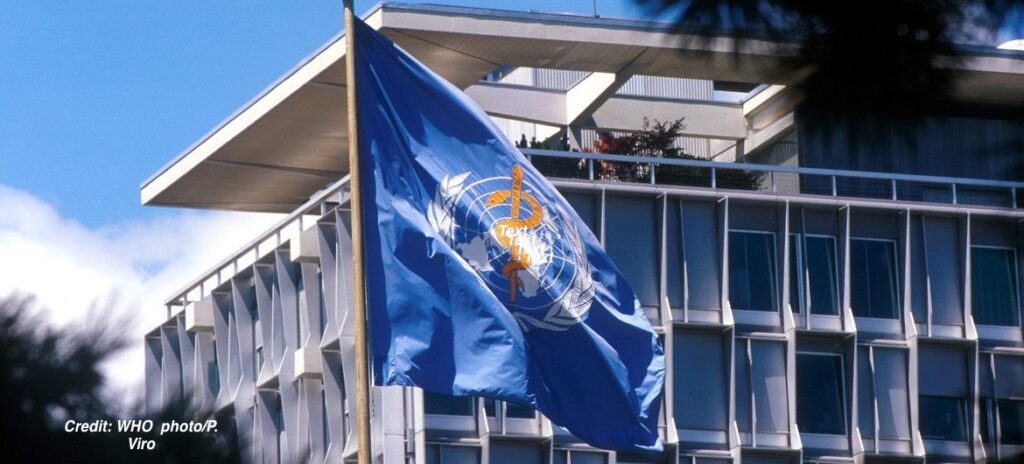
Geneva, 3 February 2026 – The World Health Organization (WHO) has launched an appeal for nearly US$ 1 billion which it said would allow it to respond to this year’s increasing demand for health emergency support due to climate extremes, conflicts and infectious disease outbreaks.
“This appeal is a call to stand with people living through conflict, displacement and disaster – to give them not just services, but the confidence that the world has not turned its back on them,” said Dr Tedros Adhanom Ghebreyesus, WHO Director-General. “It is not charity. It is a strategic investment in health and security. In fact, access to health care restores dignity, stabilizes communities and offers a pathway toward recovery.”
WHO said in announcement that the 2026 appeal will respond to 36 emergencies worldwide, “including 14 Grade 3 emergencies requiring the highest level of organizational response. These emergencies span sudden-onset and protracted humanitarian crises where health needs are critical.”
“The 2026 appeal comes at a time of converging global pressures,” WHO said. “Protracted conflicts, the escalating impacts of climate change and recurrent infectious disease outbreaks are driving increasing demand for health emergency support – while global humanitarian financing continues to contract.”
WHO said the priority emergency response areas in 2026 will include Afghanistan, the Democratic Republic of the Congo, Haiti, Myanmar, the occupied Palestinian territory, Somalia, South Sudan, Sudan, the Syrian Arab Republic, Ukraine and Yemen, as well as ongoing outbreaks of cholera and mpox.
It said the appeal In 2025 was launched with partners to support 30 million people funded through its annual emergency appeal, which helped to deliver life-saving vaccination to 5.3 million children, enabled 53 million health consultations, supported more than 8000 health facilities, and facilitated the deployment of 1370 mobile clinics. As the world’s leading health organization, WHO said it coordinates more than 1500 partners across 24 crisis settings globally, ensuring that national authorities and local partners remain at the centre of emergency response.
WHO warns funding cuts will undermine global health system
The WHO Director-General warned on 2 February that cuts to international aid and persistent funding gaps are undermining the global health system as the risk from pandemics, drug-resistant infections and fragile health services are on the rise, as reported by UN News.
Addressing the WHO Executive Board in Geneva, Tedros stressed the impact of workforce reductions last year due to “significant cuts to our funding,” which have had significant consequences.
“Sudden and severe cuts to bilateral aid have also caused huge disruptions to health systems and services in many countries,” he told health ministers and diplomats, describing 2025 as “one of the most difficult years” in the agency’s history.
While WHO had managed to keep its lifesaving work going, Tedros said the funding crisis exposed deeper vulnerabilities in global health governance, particularly in low and middle-income countries struggling to maintain essential services.
The WHO Executive Board has a sweeping agenda covering pandemic preparedness, immunisation, antimicrobial resistance, mental health and health emergencies in conflict zones.
“In response to funding cuts, WHO is supporting many countries to sustain essential health services, and to transitionaway from aid dependency towards self-reliance,” Tedros said, pointing to domestic resource mobilisation – including higher health taxes on tobacco, alcohol and sugary drinks – as a key strategy.
Yet the scale of unmet needs remains vast. According to WHO, 4.6 billion people still lack access to essential health services, while 2.1 billion face financial hardship because of health costs. At the same time, the world faces a projected shortage of 11 million health workers by 2030, more than half of them nurses.
WHO Media Contacts – Email: mediainquiries@who.int
United Nations journalists – United Nations journalists – United Nations journalists
United Nations News – United Nations News – UN Correspondents Association – UNCA Awards