
Author name: admin

J. Tuyet Nguyen, a journalist with years of experience, has covered major stories in New York City and the United Nations for United Press International, the German Press Agency dpa and various newspapers. His reports focused mostly on topics with international interests for readers worldwide. He was president of the United Nations Correspondents Association (2007 and 2008), which is composed of more than 250 journalists representing world media with influence over policy decision makers. He has chaired the organization of the annual UNCA Awards, which seeks to reward journalists around the world who have done the best broadcasts and written reports on the UN and its specialized agencies. He has traveled the world to cover events and write stories, from politics to the environment as well cultures of different regions. But his most important reporting work has been with the United Nations since the early 1980s. He was bureau chief of United Press International office at the UN headquarters before joining dpa in 1997. Prior to working at the UN, he was an editor on the International Desk of UPI World Headquarters in New York. He worked in Los Angeles and covered the final months of war in Vietnam for UPI.

AI is already rewriting reality for billions of people. It is getting women wrong

Note: A study of 133 AI systems found that 44 per cent demonstrated gender bias and 26 per cent demonstrated both gender and racial bias. Yet only 51 per cent of marketers currently use human oversight to test AI-generated creative before release. Ahead of the United Nations Global Dialogue on Artificial Intelligence Governance from 6 – 7 July and AI for Good Global Summit in Geneva, Switzerland from 7-10 July, UN Women sets out what is at stake – and what must change – to build a gender-equal digital future. The AI content era is here. And the window to shape it is closing fast. Following is a media advisory from UN Women.

Generative AI is now among the most widely used technologies in day-to-day marketing and communications work, in the United Kingdom (UK) alone, 88 per cent of advertising and media agencies are already using it in some form. Discriminatory algorithms could therefore further perpetuate gender inequality and discrimination. As AI tools become embedded in content generation and media buying at scale, decisions about who gets seen, how they are portrayed, and whose stories get told are being made at speed, and largely without human scrutiny or gender perspective. 
  Bias and discriminatory algorithms are not a glitch in AI – it is a pattern documented across systems at scale

Large Language Models (LLMs) have been found to consistently associate women with “home,” “family,” and “children,” and men with “business,” “executive,” “salary,” and “career.” When tasked with completing sentences that start with a person’s gender, about 20 per cent of responses from LLMs exhibited sexist and misogynistic attitudes, including portrayals of women as sex objects and property of their husbands. These are the predictable output of AI systems trained on decades of unequal representation of women and men. AI bias is not only a system design problem, but also a policy problem. Of 138 countries assessed, only 24 referenced gender in a national AI strategy, and just 18 included substantive gender-responsive provisions, risking inequality being “baked in” to future systems.  
AI is intensifying violence against women and girls in digital spaces

According to UN Women data, women and girls globally already have less access to digital spaces – and when they do, they are far more likely to experience online violence.  Almost one in four surveyed women human rights defenders, activists and journalists had experienced AI-assisted online violence and 12 per cent report having experienced the non-consensual sharing of personal images, including intimate or sexual content. Six per cent say they have been targeted through “deepfakes” or manipulated images/video, while more than one in four have received unsolicited sexual advances through digital messaging. AI is compounding this. Deepfakes are among the most visible examples of AI-enabled abuse that disproportionately targets women and girls. As AI-generated content becomes the norm, the tools for harassment, manipulation, and image-based abuse are scaling alongside it. 
  Women are being locked out of the rooms where AI is built 

Gen AI is expected to drive job growth in tech-intensive sectors, yet women remain underrepresented in Science, Technology, Engineering and Mathematics (STEM) and AI, making up only 30 per cent of the AI workforce globally. The people designing these systems are not representative of the billions of people the systems are expected to serve – and that glaring gap is compounding the problem. 
  The economic disruption of AI will fall hardest on women

Women outside the AI sector are nearly twice as likely as men to hold jobs at high risk of automation. AI disparity does not manifest in gender inequality alone – harms are multiplied across race, disability, socioeconomic status, and geography. The communities already most underrepresented in media and labour markets face the greatest risk of being left further behind. 
  Inclusive AI is a commercial imperative

In a first-ever global study, the Unstereotype Alliance, an industry-led initiative convened by UN Women, proved that inclusive advertising has a positive impact on business profit, sales and brand value. Brands that create inclusive advertising, free of gender stereotypes, enjoy +3.46 per cent short-term sales and +16.26 per cent long-term sales uplift. They are 62 per cent more likely to be a consumer’s first choice, have 54 per cent higher pricing power, and experience 15 per cent higher customer loyalty. As AI becomes central to how campaigns are planned and produced, the brands that embed inclusion into those processes stand to gain –  and those that do not, face significant reputational and commercial risk. The Unstereotype Alliance playbook launched in June 2026 gives marketers a way to catch bias before it ships, every time they use generative AI.  
UN Women calls for gender equality and the rights and experiences of women and girls to be embedded at every stage of AI life cycle from development, deployment, and governance. When designed with safety and used with intention, AI can help detect stereotypes, broaden representation, and improve accessibility at scale. The choice of whether it does lies with the people making decisions – in governments, in companies, in experts researching and developing AI – and it depends on whether we incorporate the voice, expertise, and lived experience of women and girls from diverse contexts, civil society organizations who work with them and know their issues deeply. 
 
For interviews or more information, contact the UN Women media team at media.team@unwomen.org.
About UN Women 
UN Women exists to advance women’s rights, gender equality and the empowerment of all women and girls. As the lead UN entity on gender equality, we shift laws, institutions, social behaviours and services to close the gender gap and build an equal world for all women and girls. We keep the rights of women and girls at the centre of global progress – always, everywhere. Because gender equality is not just what we do. It is who we are. 

United Nations correspondent journalists – United Nations correspondent journalists – United Nations journalism articles – United Nations journalism articles – United Nations News – UNCA Awards 

AI is already rewriting reality for billions of people. It is getting women wrong Read More »

Gaza: Israel’s shelter restrictions force nearly a million people to endure summer heat in tents

Note: The Norwegian Refugee Council leads the Shelter Cluster in Palestine and coordinates humanitarian shelter actors responding to emergency shelter needs in Gaza and the West Bank. It provides a new update on the deteriorating shelter situation in Gaza amid rising temperatures and ongoing Israeli restrictions on critical shelter relief. 

Oslo, 18 June 2026 – As Gaza enters the sweltering summer months, Israel’s destruction of homes and restrictions on shelter materials have trapped displaced families in Gaza in dangerously hot tents and makeshift shelters, warns the Shelter Cluster in Palestine. 

Across Gaza, around 170,000 households, equivalent to nearly one million people, live in tents. Another 5,000 households sleep outdoors, while 52,000 households live in overcrowded shelters. This month, 850,000 people still lack emergency shelter items such as plastic sheeting, plywood, and rope. These figures point to a shelter crisis driven not by weather, but by destruction, displacement, and blocked relief.  

Summer heat will only sharpen the risks families face, with daytime temperatures reaching 34.5C in the warmest month and the number of hot days with temperature recording 35C or higher expected to increase. 

“Gaza’s families are not facing a natural disaster. They are being forced to endure deadly heat in emergency shelters that were never designed to withstand prolonged displacement or high temperatures. Simple measures such as shading, ventilation and basic shelter improvements can significantly reduce risks and improve living conditions, but this is currently not available inside of Gaza and deliberately not being allowed to enter,” said Jehan Salim, Shelter Cluster Coordinator. 

Without these supplies, preventable risks will deepen. Children, older people and those with chronic illnesses face higher risks of heat stress, dehydration, respiratory distress, and disease. Women and girls face greater danger in overcrowded sites where poor lighting, lack of privacy and unsafe sanitation deepen fear and exposure. 

“It is an outrage that families in Gaza, after months of displacement and loss, now face summer heat in makeshift tents because Israel continues to restrict shelter materials,” said Jan Egeland, Norwegian Refugee Council (NRC) Secretary General. “The Shelter Cluster and its partners have the expertise and capacity to help Palestinians secure safer and more dignified shelter. But skills cannot replace materials. Israel must allow shelter supplies into Gaza now so our partners can help families protect themselves from heat, exposure and further harm.” 

Israel’s military operations have destroyed and damaged 76.6 per cent of Gaza’s housing stock, displaced families again and again, and left entire communities with no safe place to go.  

Families need proper tents and basic shelter materials, including tarpaulins, shade nets, plastic sheeting and basic repair supplies. These materials will not rebuild Gaza, but they can make the difference between a tent that traps heat, smoke, dust and disease, and a shelter that gives a family shade, airflow, privacy and a measure of protection. 

“I could not bear to be inside the tent from 8am until 7pm, because as soon as the sun rises, ants, flies, and insects begin to spread inside, and the heat starts to soar,” said a 44-year-old husband and father of three from Deir al-Balah. “My wife and children ended up with burns on their faces.” 

The Shelter Cluster calls for rapid, predictable and sustained entry of shelter materials through all available crossings, alongside urgent donor support for summer-specific household items such as bedding, clothing, solar fans, lighting and safe storage. This includes 64,000 tents, 73,000 sealing-off kits for damaged structures, and 2,000 emergency shelter kits that remain at the border despite receiving approval for entry. 

“This summer does not have to strip away more lives and dignity,” said Salim. “The solutions are known, the response capacity exists, and partners are ready to act. What is needed now is sustained entry of shelter materials to help families protect themselves from heat, exposure and further harm.” 

Notes to editors

  • Photos from Gaza can be downloaded for free use here.
  • The Norwegian Refugee Council leads the Shelter Cluster in Palestine, which coordinates humanitarian shelter actors responding to emergency shelter needs in Gaza and the West Bank. 
  • The Shelter Cluster identifies Gaza’s main summer shelter risks as heat stress, dehydration, overcrowding, poor ventilation, shelter deterioration, pest infestation, dust exposure, fire hazards, WASH-related health risks and reduced dignity. 
  • The Shelter Cluster, citing Site Management Cluster data, reports that 170,000 households live in tents, 58,000 households rely on emergency shelter kits or distributed items, 30,000 households live in shelters built from locally sourced materials, 5,000 households sleep outdoors and 52,000 households live in overcrowded shelters. 
  • The “nearly one million people” figure applies the Shelter Cluster’s average household-size assumption of 5.8 people to the 170,000 households living in tents, giving an indicative scale of around 986,000 people. 
  • Average daytime temperatures in Palestine reach 34.5C in the warmest month, according to the Red Cross Red Crescent Climate Centre, which warns that hot days above 35C could rise sharply in the decades ahead. 
  • According to the UN, around 1.7 million people lived across roughly 1,600 displacement sites by late May, with 88 per cent in makeshift sites. According to the UN, 850,000 people needed emergency shelter items by early June. 
  • The Gaza Strip Rapid Damage and Needs Assessment, prepared by the UN, EU and World Bank, found that 76.6 per cent of Gaza’s housing units, 371,888 out of 485,361, had been destroyed or damaged as of October 2025. 
  • According to the UN, shelter and essential-item stocks approached depletion by 5 June. Access constraints also tightened during the reporting period, with Zikim closed since 24 May, Kerem Shalom serving as the only crossing for approved cargo as of 4 June, and only 49 private-sector truckloads carrying shelter materials between 25 and 31 May. 
  • According to data reviewed by the Shelter Cluster, large quantities of shelter assistance remain at the border despite being approved for entry, including approximately 64,000 tents, 73,000 Sealing-Off Kits (SOKs), and 2,000 Emergency Shelter Kits containing approved timber components. In addition, more than 6 million non-food items are awaiting entry. 

For more information or to arrange an interview, please contact:  

  • Norwegian Refugee Council’s global media hotline:  media@nrc.no
    +47 905 623 29  


United Nations correspondent journalists – United Nations correspondent journalists – United Nations journalism articles – United Nations journalism articles – United Nations News – UNCA Awards 

Gaza: Israel’s shelter restrictions force nearly a million people to endure summer heat in tents Read More »

UN: Record Number of Children as Conflict Victims in 2025, With Government Forces as the Leading Perpetrator for the First Time

Note: A UN report on Children and Armed Conflict (CAAC) says that parties to armed conflicts were responsible in 2025 for the deaths of thousands of children and verified UN data showed that they also committed grave violations on the rights of children. The report says the highest levels of violations were the Occupied Palestinian Territory and Israel, the Democratic Republic of the Congo (DRC), Nigeria, Myanmar, and Somalia. Following is a press release.

New York, 17 June 2026 – A record number of children endured grave violations by parties to armed conflict in 2025, the highest number of children affected since the beginning of the CAAC mandate, a new report of the UN Secretary-General on Children and Armed Conflict published today shows.

According to verified UN data, 38,558 grave violations were committed against children in 2025, marking a fourth straight year of shocking figures. A total of 24,174 children were directly affected and their rights violated, with thousands subjected to multiple violations (3,176), including killing and maiming, recruitment and use, abduction, rape and other forms of sexual violence, attacks on schools and hospitals, and the denial of humanitarian access. A third of the victims were girls. Children are stripped bare of the rights, safety, and dignity to which every child is entitled.

For the first me since the establishment of the CAAC mandate 30 years ago, Government Forces were the main perpetrators of grave violations against children, signaling a worrying shift against the backdrop of an utter disregard for international law and the special protection afforded to children. This was amplified by hostilities and increasing use of explosive weapons in densely populated areas, as well as by the risks owed to the growing integration of artificial intelligence into targeting processes, the report notes.

“2025 was without a doubt one of the darkest chapters for child protection since monitoring began,” said Under-Secretary-General Vanessa Frazier, the Special Representative of the Secretary-General for Children and Armed Conflict. “When States, on whom the obligation to protect children falls, instead contribute to their suffering, it signals the deeper erosion of respect for international law. The principles of humanity, distinction, proportionality, and necessity must be restored — without exception,” she added.

Situations with the highest levels of violations in 2025 were the Occupied Palestinian Territory and Israel, the Democratic Republic of the Congo (DRC), Nigeria, Myanmar, and Somalia.

Killing (6,266) and maiming (7,958) remained the most verified violations, with a shocking 34% increase in killing compared to incidents that occurred in 2024; the denial of humanitarian access and the recruitment and use of children followed, with 8,322 incidents and 6,607 children affected, respectively. Children connutied to be abducted in high numbers (5,129), often for the purpose of recruitment and use or sexual violence. Rape and other forms of sexual violence continued unabated, with gang rapes used as a tactic of war verified in increasing numbers.

Landmines and explosive remnants of war litter the paths children walk every day, with the report highlighting that children remain the most vulnerable to such weapons, which continue to kill and maim long a4er conflicts have ended, as well as impair social and economic development. Survivors o4en face lifelong disabilities, trauma, and barriers to education and reintegration.

“Once safe neighborhoods have been transformed into front lines owed to relentless bombardments. Entire communities live under the shadow of weapons that should never be used near a child, and should definitely never target their homes, schools, or hospitals. A majority of child casualties in conflict zones resulted from the use of explosive ordnance — a toll that is as shocking as it is preventable,” stressed Frazier.

A total of 1,667 children were detained in 2025 for their actual or alleged association with parties to conflict. The Special Representative stresses that these children must be treated as victims, and that detention should be a measure of last resort, and that reintegration should be favoured, noting that such programmes are indispensable to lasting peace.

“Reintegration is where a child’s future – and our future as humanity – is rebuilt. I call on the international community to support, both politically and financially, the reintegration of all

children released from armed forces and groups, including children with disabilities. Each child carries a different burden of conflict, and each requires support that meets their specific needs, including those based on age and gender,” added Frazier. She further calls on all parties to immediately allow safe, rapid, and unimpeded humanitarian assistance, without discrimination of any kind.

30 Years Ago, the World Said: Enough

The year 2026 marks the 30th anniversary of the CAAC mandate. While the situation sharply deteriorated for children in 2025 in contexts like the occupied Palestinian Territory, including Gaza and the West Bank, Libya, Niger and South Sudan, important advances took place in other contexts. In 2025, 13,112 children formerly associated with armed forces or armed groups received protection or reintegration support across countries on the CAAC agenda. Engagement also bore fruit, and some 40 commitments were taken by pares to conflict, including handover protocols, capacity building initiatives, unilateral commitments, and bilateral dialogues in contexts like Somalia, Ukraine, and Colombia.

“Thirty years after the creation of the children and armed conflict mandate, the world can no longer claim ignorance. Humanity must take its responsibilities and recognise the mayhem that it has created for generations to come. Words are not enough; durable and resolute actions are needed. Each Member State must choose dialogue over destruction and uphold its obligations under international humanitarian and human rights law. Protecting children is not an aspiration — it is an obligation,” added Vanessa Frazier.

In the words of a child addressed to world leaders received as part of the Prove It Matters campaign: “Every day, children near active warzones get killed, tormented, sold, taken away from their families, traumatised and denied humanitarian help. You have the power, so please act.”

***

For more information:

Fabienne Vinet, Political Affairs Officer / Communications Officer, Office of the Special

Representative of the Secretary-General for Children and Armed Conflict: vinet@un.org

United Nations correspondent journalists – United Nations correspondent journalists – United Nations journalism articles – United Nations journalism articles – United Nations News – UNCA Awards 

UN: Record Number of Children as Conflict Victims in 2025, With Government Forces as the Leading Perpetrator for the First Time Read More »

PRIO report finds interstate conflicts at highest level since World War II

  • Conflicts between states doubled in 2025, reaching their highest level since 1946.
  • 2025 was the third deadliest year for conflict since the end of the Cold War, with approximately 245,000 battle-related deaths.
  • Violence against civilians reached its highest recorded level since the 1994 Rwandan genocide.
  • Conflicts are becoming increasingly concentrated, interconnected and difficult to resolve.
  • Following is a press release from the Peace Research Institute Oslo (PRIO). PRIO Research Director and report author Siri Aas Rustad is available for interview. Michelle Delaney Communication Director,PRIO, micdel@prio.org +47 941 65 579

Oslo, 9 June 2026The number of armed conflicts fought directly between states doubled in 2025, reaching the highest level recorded in over 80 years, according to PRIO’s annual report mapping global conflict trends.

The report, Conflict Trends: A Global Overview, 1946–2025, documented eight interstate conflicts in 2025 – twice as many as the previous year and the highest number recorded since 1946.

“The return of interstate conflict at this scale is deeply worrying,” warned Siri Aas Rustad, Research Director at the Peace Research Institute Oslo (PRIO) and lead author of the report. “For decades, civil wars dominated global conflict. Now we are witnessing a dangerous resurgence of direct confrontations between states, driven by geopolitical rivalry, border disputes and regional escalation, particularly in the Middle East.”

The conflicts include Russia’s war against Ukraine, renewed violence between India and Pakistan, escalating tensions between Afghanistan and Pakistan, clashes between Thailand and Cambodia, and multiple interstate confrontations linked to the expanding regional conflict involving Israel, Iran, Yemen and the United States.

The report is based on data from the Uppsala Conflict Data Program, and provides a global overview of state-based conflicts, non-state conflicts and one-sided violence.

2025 among the deadliest years since the Cold War

Beyond the rise in interstate conflict, the report finds that a staggering 245,000 people were killed in battle-related violence in 2025, making it the third deadliest year since 1989. The number of battle deaths increased from 188,000 in 2024. The sharp increase was driven primarily by Russia’s invasion of Ukraine, the war in Gaza and escalating violence in Sudan, including the siege and massacre of El-Fasher City.

In total, 65 state-based conflicts were recorded across 35 countries in 2025 – also the highest number since records began in 1946.

According to the report, the world has now experienced more than a decade of persistently high levels of violence. Every year since 2013 has been more violent than nearly every post-Cold War year that came before it.

Conflicts becoming more concentrated and growing complexity

The report also highlights a growing concentration of violence in a smaller number of countries. While 65 conflicts were recorded globally, they were concentrated in just 35 countries, with many experiencing several overlapping wars and insurgencies simultaneously.

Myanmar and Israel each experienced five separate conflicts in 2025, while Afghanistan, Cameroon, Mali, Nigeria and Pakistan all experienced multiple conflicts.

This increasing complexity creates major challenges for peacebuilding, diplomacy and aid operations. “Conflicts today are increasingly interconnected,” said Rustad. “They involve more actors, overlapping fronts and greater regional spillover. That makes them far harder to resolve and significantly increases the risks of wider regional wars.”

The growing complexity of conflict is creating mounting challenges for diplomacy, peacebuilding and humanitarian operations.

Sudan records highest level of civilian killings since Rwanda genocide

The report documents a dramatic rise in one-sided violence against civilians. Over 76,000 people were killed in one-sided violence in 2025 – the highest number recorded since the Rwandan Genocide in 1994. Most of the killings occurred in Sudan, particularly during the massacre of El-Fasher City in North Darfur in October 2025, when tens of thousands of civilians were killed.

Africa and the Middle East remain epicentres of conflict

Africa remained the region with the highest number of both state-based and non-state conflicts in 2025, while the Middle East recorded its highest number of state-based conflicts ever. Asia also reached its highest level of state-based conflict since the mid-1990s.

According to the report, these trends suggest that the rise in global violence is not confined to one region, but reflects a broader deterioration in international security.

“The data points to a world moving in the wrong direction: more wars, more internationalized conflicts and far higher human costs,” said Rustad.

For more information or to arrange an interview:

  • Contact Michelle Delaney, Communication Director at the Peace Research Institute Oslo (PRIO) | michelle@prio.org | mobile 0047 941 65 579.
  • Click here to download the whole PRIO reportConflict Trends: A Global Overview, 1946-2025.
  • The 2025 Uppsala University statistics will be published in the July issue of Journal of Peace Research.

United Nations correspondent journalists – United Nations correspondent journalists – United Nations journalism articles – United Nations journalism articles – United Nations News – UNCA Awards 

PRIO report finds interstate conflicts at highest level since World War II Read More »

WFP warning becomes a reality for millions as Middle East crisis pushes poorest families further into hunger

Rome, Italy, 5 June 2026 – Three months after warning that the escalating Middle East crisis could push millions more people into hunger, new analysis from the United Nations World Food Programme (WFP) shows that the fallout from the conflict is already having deep and long-lasting effects in some of the world’s most vulnerable countries.

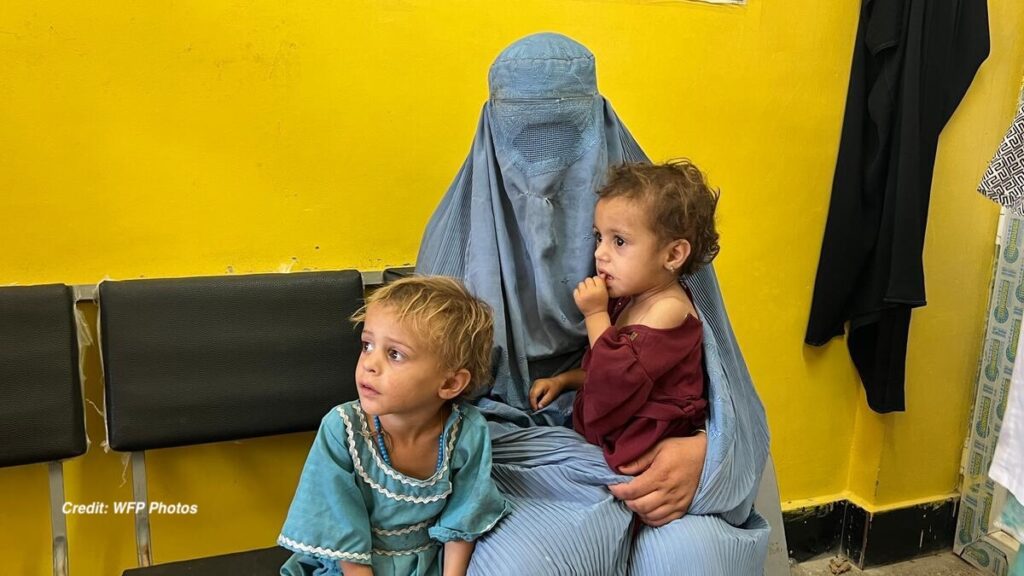
In March, WFP projected that 45 million people could fall into acute food insecurity if the conflict continued and oil prices remained around US$100 per barrel through the end of June. This scenario is now unfolding. A new WFP report, Food Security Under Pressure: How the Middle East Crisis is Impacting Vulnerable Countries, analyses the situation in three vulnerable countries. It finds that an additional 2.5 million people in Somalia, 1.3 million in Sri Lanka and 2.3 million in Afghanistan are struggling to meet basic food needs and, in some cases, being pushed into acute hunger due to the crisis.

The full report can be downloaded here

“Early warnings only matter if the world acts on them,” said Jean-Martin Bauer, Director of WFP’s Food Security and Nutrition Analysis Service. “We warned that this crisis could push millions more people into hunger; now we are watching it happen in real time. In many cases, the poorest families around the world, far from the center of the crisis, are being hit the hardest.”

Countries already facing conflict, climate shocks and economic hardship, or highly dependent on imports, are among the most exposed to the crisis as fuel, fertilizer, food, and humanitarian costs continue to soar. In many countries, food is available in markets, but many families simply can’t afford the products on the shelves.

WFP’s analysis also suggests that new population groups in these countries are falling into food insecurity, particularly ultra-poor urban populations and marginalized rural groups such as pastoralists in Somalia.

These impacts are expected to intensify in the coming months, even if the crisis in the Middle East de-escalates. In parts of the world, farmers are going through planting seasons amid severe fertilizer shortages and high fuel prices. This is expected to have a devastating impact on crop yields and, consequently, on food prices months down the line.

“One of the biggest concerns is that the full impact of this crisis has yet to be felt,” said Mr Bauer. “Even if the conflict were to end today, irreversible damage has been done and the impact on prices, livelihoods and humanitarian operations will continue to be felt for a long time.”

The report also shows how the conflict in the Middle East is placing the global humanitarian system under growing strain. WFP is now facing a triple squeeze with rising needs, increased delivery costs and shrinking funding all culminating in devastating consequences. WFP estimates it will now serve 1.5 million fewer people than originally planned in 2026.

If the conflict continues in the coming months, more than 9 million people could lose assistance. WFP is calling for increased resources to match the growing humanitarian needs. Without urgent action, vulnerable families will be driven toward a catastrophic hunger emergency. 

Note to editors:

The three countries profiled in the study were Somalia, Sri Lanka, and Afghanistan, chosen due to their different contexts and exposure to the Middle East. A more detailed summary of the country-specific impact is as follows:

In Somalia, where communities are still grappling with drought and conflict, WFP analysis suggests that an additional 2.5 million people risk being unable to afford a basic food basket in 2026. Almost 60 percent of households may be unable to meet essential needs, up from 47 percent in 2025.  The country is highly exposed to global price shocks, importing 100 percent of its oil and 90 percent of its cereals.

In Sri Lanka, where households remain under pressure as the country recovers from a prolonged economic crisis, up to 1.3 million additional people may be at risk of being unable to meet their basic food needs. This is on top of a baseline of 4.7 million people in 2026.  The country relies on the Middle East for 63 percent of its energy, while 44 percent of remittances come from the Gulf and 45 percent of tea exports go to the Gulf, exposing workers and households to shocks in energy prices, trade and income. Wages are increasingly stretched as food, fuel, and fertilizer costs soar, meaning families are increasingly unable to afford the quality and quantity of food needed.

In Afghanistan, where hunger and malnutrition are already severe, WFP analysis indicates that up to 2.3 million additional people could become food insecure in the event of a prolonged closure of the border with Pakistan and further escalation of the Middle East crisis. This would come on top of 13.8 million people who were already food insecure before the crisis.  Afghanistan’s exposure is compounded by its reliance on Iran for 60 percent of exports and 50 percent of imports.

The full report can be downloaded here

#                 #                   #

 The United Nations World Food Programme is the world’s largest humanitarian organization saving lives in emergencies and using food assistance to build a pathway to peace, stability and prosperity for people recovering from conflict, disasters and the impact of climate change. Follow us on X, formerly Twitter, via @wfp

For more information please contact (email address: firstname.lastname@wfp.org):

Julian Miglierini, WFP/ Rome, Mob. +39 348 2316793
Nicola Kelly, WFP/London, Mob +44 (0)796 8008 474
Martin Rentsch, WFP/Berlin, Mob +49 160 99 26 17 30
Shaza Moghraby, WFP/New York, Mob. + 1 929 289 9867

Rene McGuffin, WFP/ Washington Mob. +1 771 245 4268

United Nations correspondent journalists – United Nations correspondent journalists – United Nations journalism articles – United Nations journalism articles – United Nations News – UNCA Awards 

WFP warning becomes a reality for millions as Middle East crisis pushes poorest families further into hunger Read More »

Beyond AI’s Surging Energy Use: UN Details Escalating Water, Land, and CO2 Emission Consequences 

Artificial intelligence is driving a surge in land, water and climate consequences cascading from the technology’s intense and fast-rising energy consumption.  UN University calls for urgent, multi-stakeholder action. To request an interview: media.inweh@unu.edu Contacts: William Smyth, william.smyth@unu.edu, +1-647-919-3318 – Terry Collins, terrycollins1@gmail.com, +1-416-878-8712

Richmond Hill, Ontario, Canada, 3 June 2026 – A new UN report delivers the most comprehensive view yet of the environmental costs of artificial intelligence – not just its burgeoning electricity use and carbon emissions but also its water and land footprints, its e-waste consequences, as well as the unjust distribution of AI’s benefits and burdens worldwide.

According to Environmental Cost of AI’s Energy Use: Carbon, Water and Land Footprintsfrom the United Nations University Institute for Water, Environment and Health (UNU-INWEH): “One of the most consequential dimensions of AI that remains comparatively under-examined is its environmental footprint and the justice implications that follow.”

Its expansion involves “physical infrastructure and supply chains, including data centers, chips, electricity generation, cooling systems, water withdrawals, land occupation, critical minerals, and eventual e-waste.”

This report, “is a step forward in addressing the current gap in AI’s environmental governance by assessing its environmental footprints. The investigation goes beyond the carbon-only lens… It examines AI’s indirect environmental footprints through energy use, quantifying the carbon, water and land footprints associated with generating the electricity required to operate AI at scale, and highlighting how outcomes vary substantially by location depending on electricity supply mixes.”

“This matters,” the report adds, “because ‘low-carbon’ is not automatically ‘low-water’ or ‘low-land,’ and evaluating sustainability through a single metric can hide trade-offs and shift burdens onto places already facing water stress or land pressure. These asymmetries can reinforce the environmental problems of local communities while strategic advantages of AI flow elsewhere.”

According to the report, expenditures on AI this year are projected to exceed USD 2.5 trillion and the global market is foreseen growing from USD 189 billion in 2023 to nearly USD 5 trillion by 2033, a 25-fold increase in less than a decade.

Reflected in that surge are sobering energy consumption statistics and insights. For example, if data centers, the physical backbone of AI, were a country their estimated 448 terawatt-hours (448 billion kWh) of electricity consumption in 2025 would rank them 11th globally, roughly on par with France.  

AI-related workloads accounted for roughly 20% of total data center electricity use in 2025. If that share rises to the expected 40% by 2030, AI-related electricity consumption could reach approximately 374 TWh. On current trajectories that figure could roughly double to 945 TWh by 2030, accounting for almost 3% of projected global electricity use, or enough to supply power to all 1.3 billion people in Sub-Saharan Africa for over 5 years. 

Depending on how that electricity is generated, associated emissions could reach 400 million tonnes of CO₂e, comparable to the UK’s emissions from all sectors in 2025.

The associated land footprint of generating that electricity in 2030 would exceed 14,000 km², roughly the area of Northern Ireland. 

Meanwhile, the estimated 9.3 trillion liters of water used by data centers, would meet the drinking water needs of Earth’s 8.1 billion people for about 1.6 years.

The report notes that, even when some withdrawn water is returned, “large-scale withdrawals can strain aquifers and river systems, particularly in arid or groundwater-depleted regions.”

Training is only the beginning – Training new AI models requires immense energy. The estimated 100 GWh of electricity required to train Chat GPT-5 roughly equals the annual residential usage of 770,000 people in Sub-Saharan Africa (60% of the region’s population); the associated water footprint is estimated at 1 billion liters and a land footprint of 1.5 km2 of land, or roughly the size of 215 football fields. While these numbers are significant, the UN scientists now warn that the footprint of AI’s daily use is far bigger. 

ChatGPT alone is estimated to process around 2.5 billion prompts per day. At a conservative 0.42 Wh per text prompt, that translates into roughly 383 GWh of electricity per year. The related annual water footprint would be equal to the minimum annual domestic water needs of some 500,000 people in Sub-Saharan Africa, and the land footprint exceeds 800 football fields.

“The numbers grow drastically once the AI embedded in mass platforms (such as Google Search) is counted,” the report says. “Crucially, per-use energy varies by orders of magnitude across modalities and output lengths, so product defaults and user choices are footprint determinants.”

It notes that Google processes an estimated 5 trillion searches annually and a conventional search uses about 0.3 Wh. An AI-enhanced generative search uses up to 3 Wh, a 10-fold increase.

As the report explains, “Every kilowatt-hour of electricity used to train or run an AI model carries environmental footprints, including a carbon footprint from the generation mix; a water footprint from electricity production and cooling; and a land footprint from energy infrastructure, reservoirs, and fuel extraction. These three footprints do not always shift in the same direction.”

“For example, switching from coal to bioenergy can, on average, reduce the carbon footprint by 72%, but this comes at the cost of much larger water and land footprints. On average, the water footprint of bioenergy is more than 30 times greater than that of coal and its land footprint is 100 times greater. In different regions and countries, electricity is produced from various sources. The environmental footprint of energy production in a given location depends on the share of each source in its electricity supply portfolio.”

Video generation as an emerging environmental crisis – Meanwhile, a single high-resolution AI video clip can require more than 415 Wh, making it more energy-intensive than the creation of hundreds of AI images. When resolution and frame count are factored in, energy requirements rise quadratically (double the output quadruples the energy used). And as video gets embedded in mainstream platforms, this quickly becomes an infrastructure-scale problem.

The report also underlines the growing problem of AI hardware waste. 

“At the end of life, poorly managed e-waste can expose frontline communities to hazardous substances. By 2030, AI infrastructure could generate up to 2.5 million metric tons of e-waste each year, roughly equivalent to discarding 250 Eiffel Towers annually. 

The findings show that responsible AI requires full value-chain governance, from mineral sourcing to recycling and safe disposal.

An uneven distribution of benefits and burdens – The minerals powering AI hardware are often extracted in ways that cause concentrated environmental and social harm, particularly in the Global South and in regions with weak regulatory oversight.  

The new report underscores a structural inequity at the heart of the AI boom. Frontier AI infrastructure is concentrated in a small number of locations. Countries that lack domestic compute capacity depend on external providers, giving them little control over access, pricing, or data governance. The result is a widening digital divide between nations that build and control AI systems and those that simply consume them while often bearing a disproportionate share of the environmental costs.

(Related: the recent UNU-INWEH report Critical Minerals, Water Insecurity and Injustice).

Further points. Low-carbon is not low-impact – Brazil’s hydro grid produces electricity 77% below the global carbon average, but its water and land footprints are nearly triple the global mean. 

The UK’s grid has a land footprint more than four times the global average. The report directly challenges the assumption that renewable-powered data centers are always green or sustainable, a finding that cuts against a lot of current industry messaging.

The Jevons Paradox trap – The report underlines that efficiency gains alone will not reduce AI’s total environmental footprint. Lower costs drive higher volumes of use, potentially erasing all savings. It calls explicitly for resource budgets — caps on tokens, GPU-hours, or kilowatt-hours — not just better hardware.

AI computing is 90% concentrated in two countries – Only 32 nations host AI-specialized cloud infrastructure, and 90% of that capacity is in the US and China. More than 150 countries have no sovereign AI computing at all. The report frames this not just as an economic divide but as an environmental justice issue: excluded countries bear mineral extraction and e-waste burdens while the strategic benefits flow elsewhere.

Ireland as a live cautionary example – Data centers now account for 21% of Ireland’s total metered electricity, up from 5% in 2015, exceeding all urban household consumption combined. The national grid operator has paused new approvals around Dublin until 2028. It’s a concrete, documented example of what happens when AI infrastructure growth outpaces energy planning — and a preview of what other countries are heading toward.

* * * * * 

A roadmap for responsible AI – The report calls for a responsible AI ecosystem built on six principles: transparency; efficiency by design; equity and environmental justice; lifecycle responsibility; global cooperation; and sustainable use. Practical recommendations are directed at each major group of stakeholders: Governments should integrate AI infrastructure into energy planning, water governance, and land-use permitting, and require standardized environmental footprint reporting.

Industry and AI developers should treat model selection, default outputs, and routing decisions as footprint determinants, and improve efficiency by design.

Users and deploying organizations should adopt fit-for-purpose use — selecting the lightest model and lowest-energy format that meets the task.

Data center operators and utilities should treat siting and energy procurement as environmental footprint decisions, and apply cumulative impact assessment.Investors should treat electricity, carbon, water and land footprints as material risks in AI infrastructure portfolios.

Communities and civil society should be involved early in data center siting decisions, with enforceable transparency and grievance mechanisms. International institutions should support harmonized measurement standards, reduce incentives for cross-border burden shifting, and build compute capacity in excluded regions.

“Concise mode”

The report warns that even the language used by AI users can make a huge difference. Simply getting rid of politeness by not saying “please” and “thank you” can reduce the overall footprint significantly by making the prompts more concise. For example, a concise response mode can reduce ChatGPT token output by 30%, saving 87-98 GWh of electricity per year, equivalent to the annual residential electricity of nearly 760,000 people in Sub-Saharan Africa. The report reframes user behavior and product design as environmental governance tools, not just convenience features.

“Technological advancement must remain environmentally manageable,” the report states, and that requires measuring, disclosing, and acting on the full footprint, not just the carbon portion.

Less visible public engagement with AI

Netflix, one of the world’s largest video streaming services, offers an example of how AI is embedded in daily digital interactions. While users may not associate Netflix with AI directly, the platform uses machine learning models and real-time processing systems for personalized recommendations, content delivery optimization, and dynamic compression to reduce data use.

In the financial sector, generative AI-driven applications automate customer service, but also improve fraud detection and risk assessment. In healthcare, AI is employed in diagnostics, medical imaging, and patient risk prediction—improving speed and precision of care, while reducing treatment costs. 

With an estimated 4.5 billion people globally lacking essential healthcare and an expected shortfall of 11 million healthcare workers by 2030, AI has the potential to narrow these critical gaps, particularly in underserved communities where resources are scarce.

Some estimates suggest that partially autonomous vehicles could account for one in 10 new vehicle sales by 2030, as systems become better at interpreting environments and travel routes and customers gain confidence in safety. Robotaxis are already giving 1.3 million rides each month, mostly in the U.S., but also in China, UAE, Singapore, Japan, and other countries, highlighting the potential for deployment worldwide.

An increasingly polarized global workforce

The report warns that, “without deliberate intervention, the global workforce could become increasingly polarized, divided by access to AI technologies and related workforce skills. Those with fewer training opportunities are especially vulnerable to the changes AI is bringing. While job disruption is a visible consequence of AI deployment, the technology’s influence extends far beyond the workplace, into realms of warfare, ethics, and even existential risk.”

The report concludes:  “AI offers remarkable potential, but fulfilling this promise responsibly requires systemic change. Every interaction draws on finite resources, and the total environmental footprint depends on how AI systems are designed, how often they are used, and what tasks they perform. Real progress depends on embedding sustainability at every level, from hardware and model design to deployment, governance, and public use. By committing to transparency, engineering for efficiency, choosing wisely as users and institutions, protecting communities that face disproportionate burdens, and cooperating across borders, society can ensure that progress in intelligence is matched by progress in care. Responsible AI is possible when capability and stewardship grow together within planetary limits.”

Comments

“The environmental footprint of AI is not fixed. It is shaped not only by infrastructure, energy sources, and model design, but also by how much AI is used, what it is used for, and where that use takes place. By making these trade-offs visible, our report aims to help governments, companies, researchers, and users make better choices before today’s rapid growth locks in tomorrow’s environmental burdens.”  

Dr. Miriam Aczel, UNU-INWEH Researcher, Lead author of the report  

“The future of artificial intelligence should not be measured only by what machines can do, but by whether humanity can deploy those capabilities within planetary boundaries. Though often described as weightless and virtual, the reality of AI is profoundly physical. Behind every prompt, image, or video lies a growing infrastructure of energy systems, water withdrawals, land use, mineral extraction, and electronic waste. This report is a call to make those hidden environmental costs visible before they become unmanageable.”

Professor Kaveh Madani, UNU-INWEH Director, Lead investigator of the report

“The promise of AI is immense, particularly in areas such as healthcare, education, scientific discovery, and climate resilience. But innovation without stewardship risks deepening inequality and intensifying pressure on already stressed planetary systems. This report reflects the United Nations’  commitment to ensuring that technological progress advances human well-being while respecting environmental limits. Sustainable innovation requires transparency, accountability, and global cooperation.”

Professor Tshilidzi Marwala, UN Under-Secretary-General and United Nations University Rector, Co-author of the report 

“AI’s environmental footprint is not just an outcome of physical infrastructure; it is the cumulative result of countless daily decisions. Every prompt, default setting, generated image, video, and query accumulates when multiplied by billions of users and thousands of operators worldwide. Behavior change across this entire decision chain—from individual users to corporate planners—is one of the most powerful and underused levers we have for keeping AI within planetary limits.”

Dr. Mir Matin, Manager of UNU-INWEH’s Geospatial, Climate and Infrastructure Analytics Programme, Co-author of the report

* * * * * 

Report information

Aczel, M., Chamanara, S., Matin, M., Farsi, A., Marwala, T., Madani, K. (2026). Environmental Cost of AI’s Energy Use: Carbon, Water and Land Footprints. United Nations University Institute for Water, Environment and Health (UNU-INWEH), Richmond Hill, Ontario, Canada. doi: 10.53328/INR26RMA002 

About UNU-INWEH

Marking its 30th anniversary in 2026, the United Nations University Institute for Water, Environment and Health (UNU-INWEH) is one of 13 institutions that comprise the United Nations University (UNU), the academic arm of the UN. 

Known as ‘The UN’s Think Tank on Water’, UNU-INWEH addresses critical water, environmental, and health challenges around the world. Through research, training, capacity development, and knowledge dissemination, the institute contributes to solving pressing global sustainability and human security issues of concern to the UN and its Member States. 

Headquartered in Richmond Hill, Ontario, UNU-INWEH has been hosted and supported by the Government of Canada since 1996. With a global mandate and extensive partnerships across UN entities, international organizations, and governments, UNU-INWEH operates through its UNU Hubs in Calgary, Hamburg, New York, Lund, and Pretoria, as well as an international network of affiliates.

unu.edu/inweh 

United Nations correspondent journalists – United Nations correspondent journalists – United Nations journalism articles – United Nations journalism articles – United Nations News – UNCA Awards 

Beyond AI’s Surging Energy Use: UN Details Escalating Water, Land, and CO2 Emission Consequences  Read More »

WMO: Prepare for hotter than normal temperatures across nearly all parts of the globe

Warm ocean waters are fueling the development of El Niño – El Niño typically increases global temperatures and drives more extreme weather and rainfall patterns – Advanced forecasts help in preparations to protect lives and livelihoods – Time for informed decision-making, planning and preparedness is now.

Geneva, Switzerland, 2 June 2026 (WMO) – Fueled by unusually warm ocean waters in the tropical Pacific, El Niño conditions are developing and are set to influence global temperature and rainfall patterns, increasing the risk of extreme weather over the coming months, according to the World Meteorological Organization (WMO). 
 
A new WMO El Niño/La Niña Update indicates an 80% likelihood of an El Niño event during June–August 2026. Probabilities for this to continue until at least November are near or above 90%. Although some uncertainty remains about El Niño peak strength and timing, most forecast models suggest it will be at least moderate – and possibly strong.
 
WMO El Niño/Updates are the world’s most authoritative source of information for governments, humanitarian agencies and climate-sensitive sectors like agriculture, health, energy and water management. They are based on a consensus of models from WMO Global Producing Centres, experts from National Meteorological and Hydrological Services and climate prediction centres around the world and are produced through a collaborative effort between the WMO and the International Research Institute for Climate and Society (IRI). 
 
“The science is clear: El Niño is arriving on our doorstep in the coming months with 90% certainty.  The world must treat it as the urgent climate warning it is. El Niño conditions will pour fuel on the fire of a warming world.  Impacts will hit even harder, travel even farther, and cross borders with devastating speed.  The only effective response is climate action equal to the crisis – ending the addiction to fossil fuels, accelerating the shift to renewables, protecting the most vulnerable, and delivering early warning systems for all.” said UN Secretary-General António Guterres, in his video statement.
 
In late April to mid-May, the sea-surface temperature in the central-eastern Equatorial Pacific – the area used as a monitoring reference – was approaching El Niño thresholds, according to observations from different platforms used by WMO. 
 
These increasing surface anomalies are being fed by unusually warm subsurface conditions across the tropical Pacific, with temperatures exceeding 6 °C above average and providing a substantial reservoir of heat that is contributing to the observed surface warming. 
 
Meanwhile, the Southern Oscillation Index – which is the atmospheric component of El Niño – is also consistent with developing El Niño conditions.
 
“We need to prepare for a potentially strong El Niño event – which will exacerbate drought and heavy rainfall and increase the risk of heatwaves both on land and in the ocean. The most recent El Niño, in 2023-24, was one of the five strongest on record and it played a role in the record global temperatures we saw in 2024,” said WMO Secretary-General Celeste Saulo.
 
“The WMO community will be carefully monitoring conditions in the coming months to inform decision-making by governments, humanitarian agencies and climate-sensitive sectors. Advance seasonal forecasts and early warnings are vital to save lives and cushion the impact on our economies and our communities,” said Celeste Saulo.
 
WMO has issued a complementary Global Seasonal Climate Update – which takes into account other climate drivers, enabling more refined regional forecasts.
 
Monitoring informs action – El Niño and La Niña are opposite phases of the El Niño–Southern Oscillation (ENSO); one of the most powerful naturally occurring climate patterns on Earth.
 
El Niño is characterized by a warming of ocean surface temperatures in the central and eastern Equatorial Pacific. It typically occurs every two to seven years and lasts around nine to twelve months.
 
It generally begins developing between March and June and reaches its peak intensity between November and February, with impacts on global temperatures typically being most pronounced in the second year after development. 
 
The effects of each El Niño/La Niña event vary depending on the intensity, duration, time of year when it develops, and also how it interacts with other climate variability modes (such as the Indian Ocean Dipole). Not all regions of the world are affected, and even within a region, impacts can be different. Even when ENSO is neutral, extreme weather can still occur. 
 
The strength of an ENSO event is highly significant – whether it is classed as weak, moderate, strong or very strong. Even a moderate El Niño makes some weather and climate extremes more likely.
 
WMO does not use the term “super El Niño” because it is not part of standardized operational classifications.
 
There is no evidence that climate change increases the frequency or intensity of El Nino events. But it can amplify associated impacts because a warmer ocean and atmosphere increase the availability of energy and moisture for extreme weather events such as heatwaves and heavy rainfall.
 
Typical impacts – Each El Niño event is unique in terms of its evolution, spatial pattern and impacts. 
 
However, it is typically associated with increased rainfall in parts of southern South America, the southern United States, parts of the Horn of Africa and central Asia, and drier conditions over Central America, northern South America, the Caribbean, Australia, Indonesia, and parts of southern Asia.
During the Boreal summer, El Niño’s warm water can fuel hurricanes in the central/eastern Pacific Ocean, while it hinders hurricane formation in the Atlantic Basin. Thus, the US National Oceanic and Atmospheric Administration (NOAA) is forecasting a below-normal hurricane season for the Atlantic basin this year.
 
National Meteorological and Hydrological Services and WMO Regional Climate Centres and Regional Climate Outlook Forums issue regularly updated information to inform national and regional decision-making. WMO is also providing regular briefings to humanitarian agencies via the WMO Coordination Mechanism.
 
For example, the Greater Horn of Africa Climate Outlook Forum (GHACOF) predicts a high likelihood of below-normal rainfall across much of the northern Greater Horn of Africa during the critical June–September rainy season. 
 
Similarly, South Asia is expected to receive below average monsoon rainfall, according to the South Asian Climate Outlook Forum.  
 
The Central America region expects drier and warmer conditions according to the Central America Climate Outlook Forum.
 
Global Seasonal Climate Update – WMO also issued a complementary Global Seasonal Climate Update which takes into account ENSO and other key climate drivers, such as the North Atlantic Oscillation, the Southern Annular Mode and the Indian Ocean Dipole – which correlates closely with El Niño in the Pacific and which may develop into a positive phase, peaking concurrently with the intensifying El Niño.
 
For the June-July-August season, forecasts project a nearly universal dominance of above-normal temperatures in nearly all parts of the globe. These increase risks of heat stress and compounding hazards in some regions and accelerate the development of drought conditions where rainfall is reduced.
 
Rainfall probabilities are typical of El Niño patterns and this is likely to contribute to a greater probability of extremes (e.g. increased rainfall and flooding, as well as drier conditions and droughts.
Notes for Editors
 
The WMO El Niño/La Niña Update is prepared through a collaborative effort between the WMO and the International Research Institute for Climate and Society (IRI), USA, and is based on contributions from experts worldwide, inter alia, of the following institutions: Australian Bureau of Meteorology (BOM), Centro Internacional para la Investigación del Fenómeno El Niño (CIIFEN), China Meteorological Administration (CMA), Climate Prediction Centre (CPC) and Pacific ENSO Applications Climate (PEAC) Services of the National Oceanic and Atmospheric Administration (NOAA) of the United States of America (USA), European Centre for Medium Range Weather Forecasts (ECMWF), Météo-France, India Meteorological Department (IMD), Indian Institute of Tropical Meteorology (IITM), International Monsoons Project Office (IMPO), Japan Meteorological Agency (JMA), Korea Meteorological Administration (KMA), Met Office of the United Kingdom, Meteorological Service Singapore (MSS), WMO Global Producing Centres of Seasonal Prediction (GPCs-SP) including the Lead Centre for Seasonal Prediction Multi-Model Ensemble (LC-SPMME).

  United Nations correspondent journalists – United Nations correspondent journalists – United Nations journalism articles – United Nations journalism articles – United Nations News – UNCA Awards       

WMO: Prepare for hotter than normal temperatures across nearly all parts of the globe Read More »

Iran: War has devastated life for millions of refugees and displaced

Note: The press release below from the Norwegian Refugee Council (NRC) details the terrible toll on Iranian civilians and Afghan refugees in Iran, resulting from the recent conflict. US and Israeli airstrikes have damaged civilian infrastructure, forced millions to flee their homes, and cost thousands of lives. NRC Secretary General Jan Egeland is currently visiting Iran. Media contact:  Ed Prior. Media Adviser to the Secretary General
Mobile: +47 902 94379 | ed.prior@nrc.no  

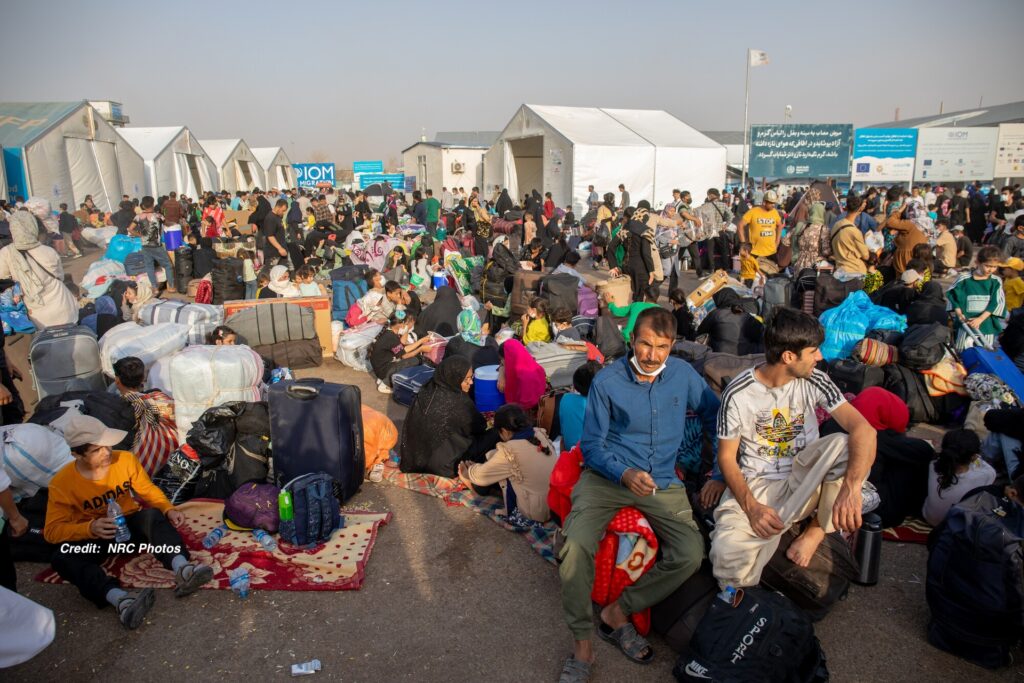
Oslo, 1 June 2026 – Millions of Iranian civilians and Afghan refugees living in Iran have been severely affected by the conflict, which has forced millions to flee their homes across the country.  Essential civilian infrastructure has been damaged, exacerbating deep humanitarian needs, warned Jan Egeland, Secretary General of the Norwegian Refugee Council (NRC) during a visit to the country.

“Families here in Iran, both vulnerable Iranians and Afghan refugees, are paying a terrible price for this war,” said Egeland. “Widespread US and Israeli airstrikes forced millions to leave their homes in search of safety. Children are traumatised and have had their education disrupted, whilst parents struggle to make ends meet due to inflation and rising prices. Everyone I have spoken to feels fearful that the war will again escalate.”    

Since the war began on the 28th of February, almost 3,500 people have been killed in the country, with more than 32,000 people injured nationwide. Across Iran, Israel, Lebanon, and the Gulf, thousands have been killed in airstrikes, with millions of lives shattered as a result of widespread attacks.   

The intense air campaign on Iran, in densely populated areas, triggered massive displacement with millions fleeing Tehran to seek safety. 

People who temporarily relocated are now returning, but those whose homes and livelihoods were destroyed remain displaced. In total, almost 150,000 homes, shops, schools, and other civilian buildings have been damaged, and 17 million pupils remain unable to attend school in person.  

NRC calls upon all parties to commit to a permanent end of hostilities. A sustained ceasefire and lasting peace agreement would enable the civilian populations in all conflict affected countries to gradually resume their lives and facilitate safe humanitarian access for humanitarian relief and rehabilitation. 

“Civilian life in Iran has been turned upside down as a result of the war,” said Egeland. “NRC and our partners have been doing all we can to support Afghan refugees and displaced Iranians. But we only have a third of the funding we need to sustain our emergency relief efforts.” 

NRC has been working in Iran since 2012, providing support to hundreds of thousands across ten provinces, including cash assistance, education, and water and sanitation.  

“Without further funding, we will have to reduce our emergency relief efforts instead of scaling up for those in desperate need. We only have funding from Norway, Sweden, and the European Union, in spite of Iran being the world’s largest refugee-hosting country and the dramatic impact of the war on civilians,” said Egeland. 

“Without proper resources for this crisis response, the lives of both Iranian civilians and Afghan refugees will face severe consequences from this war, for years to come.”  

Most of the four million Afghan refugees have been living in the country for decades, in urban and semi-urban industrial areas where their employment opportunities have been curtailed by the war and the sanctions against the Iranian economy. 

“The people I’ve met here in Iran speak of terrible loss: homes, family members, life savings, but also of the traumatising impact the war has had on children. Now, economic pressures are robbing them of their hope for the future. It is vital that we support both the vulnerable Iranian and Afghan refugee population, to prevent a further deepening of this humanitarian crisis,” said Egeland. 

Notes to editors  

  • Photos from Iran can be downloaded for free use here
  • Around 3.2 million people were temporarily displaced at the beginning of the war (UNHCR)
  • The Iranian Ministry of Health report 3,375 civilian deaths and 32,314 injuries nationwide. (OCHA). 
  • Nearly 149,000 civilian units have reportedly damaged, directly affecting an estimated 400,000 people. (OCHA). 
  • 1,200 educational facilities reported as affected and 20 schools destroyed, as well as 240 health facilities reported damaged (OCHA). 
  • More than 17 million students remain unable to attend school in person. (OCHA)
  • With over 4.4 million Afghans seeking safety and livelihoods in the country, Iran is currently hosting the world’s largest refugee population (UNHCR).  
  • About 2.4 million Afghans reside in Tehran (according to the Province Governor). Tehran metropolitan area hosts a significant Afghan population due to its industrial zones, employment opportunities, and proximity to the capital.  
  • The response for Afghan refugees in Iran has been chronically underfunded with just 18 per cent funded in 2025 through the Regional Refugee Response Plan (OCHA).  
  • The more than four million Afghans are among the most affected by the consequences of the war. More than 35,000 have returned to Afghanistan since the start of the conflict, and more than one million remain at risk of deportation. (NRC
  • The humanitarian response is 47% funded -only 37.6 of the 80 million US dollars required have been raised (OCHA)  
  • On the evening of the 7th of April, a ceasefire agreement was announced, but airstrikes have continued.  
  • NRC has been working in Iran since 2012. In 2025, NRC provided assistance to nearly 115,000 Afghans and host community members across 10 provinces.  
  • NRC is aiming to target 50,000 Iranians and Afghans affected by this crisis across nine provinces, while prioritising cash assistance, education services, protection and legal assistance and integrated water and sanitation, and shelter support to ensure vulnerable communities can meet their urgent needs. 

For more information or to arrange an interview, please contact   

  • NRC global media hotline: media@nrc.no, +47 905 62 329    

Ed Prior
Media Adviser to the Secretary General
Mobile: +47 902 94379 | ed.prior@nrc.no  
Norwegian Refugee Council

United Nations correspondent journalists – United Nations correspondent journalists – United Nations journalism articles – United Nations journalism articles – United Nations News – UNCA Awards 

Iran: War has devastated life for millions of refugees and displaced Read More »

World leaders support strengthening the UN to end wars, admit some countries have disregarded international law

New York, 26 May 2026 – Government officials attending a debate in the United Nations Security Council, which is responsible for the world’s peace and security, tried to salvage the organization as wars and division have already diminished the importance of the organization’s charter and mission.

The council held a high-level meeting attended by ministers of foreign affairs to defend the UN Charter, reform the global governance and restore confidence on the UN Security council, which is deeply divided among the five permanent members – the US, UK, Russia, China and France. The council comprises also 10 countries elected to serve two year-terms.

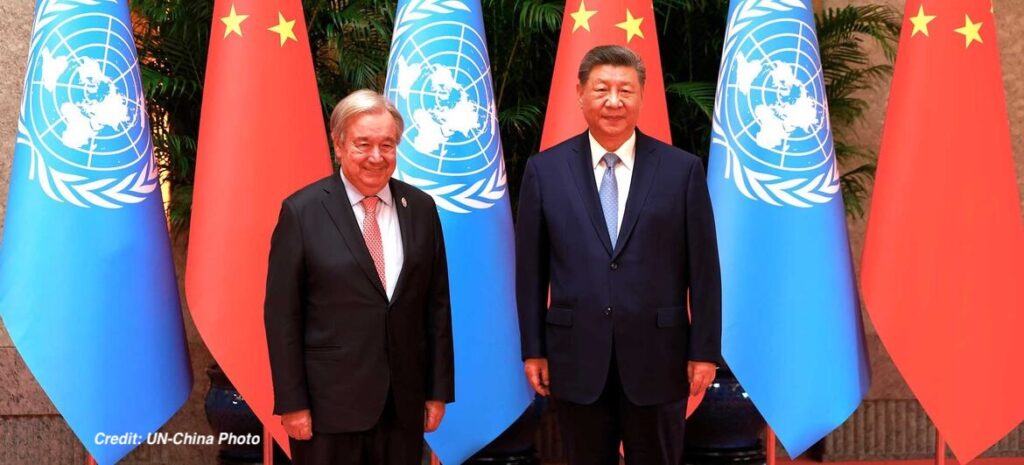
UN Secretary-General Antonio Guterres told the meeting that the world is witnessing a dangerous erosion of respect for international law. He said the UN core principles – sovereign equality, territorial integrity, political independence, the prohibition of the threat or use of force – “are being challenged or ignored.”

“Violations go unanswered,” he said. “Impunity is spreading, geopolitical divisions are deepening, mistrust is growing, consensus is harder to achieve.”

He lambasted the 15-nation council, which he said “too often fails to act with unity and purpose. When the Security Council is divided, the consequences are felt far beyond this chamber “and as a result “conflicts are proliferating and intensifying. We now face the highest number of conflicts since the founding of the United Nations.”

He said conflicts are growing and expanding “in scale and complexity” in the Middle East, Ukraine, Sudan and beyond, and the world is witnessing growing numbers of external interference that provide weapons such as drones which target also civilians and civilian objects.

China’s Foreign Minister Wang Yi, who led the council meeting as China holds the presidency in May, said, “The giant ship of human civilization is sailing into dangerous waters – and world peace and development is at a dangerous crossroads. Today’s challenges are testing the international community’s commitment to safeguarding peace, its resolve to stand up for justice and its courage to take bold reforms.”

“We must stand united and act together to defend, to revitalize and to strengthen the United Nations. We must reinvigorate the UN Charter for stronger leadership.” he said, adding that the Charter remains the biggest common denominator of the post-war international community.

“We must strengthen the authority of the Security Council for greater ability to act,” Wang said pointing out that the council is “the most authoritative and legitimate body in the multilateral security system.” Wang urged that council to improve its working methods including rules of procedure and ensure that its proposals are “objective, impartial and inclusive” and avoid “forcing through” contentious initiatives. 

Michael George DeSombre, Assistant Secretary of State for East Asian and Pacific Affairs of the United States, said the US helped found the UN in 1945 “to prevent global conflicts and promote international peace and security. We remain deeply invested in that mission today.” DeSombre said the Trump administration has since January 2025 taken “decisive and significant action to address these shortcomings,” in the UN and “has led efforts to get the UN back to its basic mission of maintaining international peace and security.”

“In practice, that includes streamlining the bureaucracy, eliminating duplication, and ensuring accountability for a more effective UN,” he said. “Under President Trump’s leadership, U.S. foreign policy is no longer beholden to a network of international institutions that are often driven by transnationalism that seeks to dissolve individual state sovereignty. Instead, we are focused on results. In the Security Council, we are putting these words into action.”

“The United States has played a central role in shaping the international order and multilateral institutions. What we are working towards is not a rejection of multilateralism, but putting clarity and results over inefficiency and hollow words. We will continue to work to advance the founding principles of the UN Charter,” he said. “We call on those whose actions undermine the UN Charter—including, at times, permanent members of this Council—to change course immediately.

Ambassador Jérôme Bonnafont of France said the erosion of international law and growing number of conflicts are the result of recklessness, UN News reported. Bonnafont said the illegal use of force and breach of international humanitarian law is reflected in the war of aggression waged by the Russian Federation against Ukraine – done so with “a lack of knowledge about the purposes and principles of the United Nations and rulings of the International Court of Justice”.

He condemned Moscow’s indiscriminate actions against civilians in Kyiv and other areas, as well as its targeting of communities and foreign embassies. He also accused the Russian representative of engaging in “inappropriate and mendacious verbal attacks” against France and Germany.

Ambassador Vassily A. Nebenzia of the Russian Federation, said the UN Charter is “a unique document” that “despite mushrooming risks and challenges” has spared the world another global war,Nebenzia said, as reported by UN News. “Yet today, the world is bearing witness to “ubiquitous breaches”, with attempts to cast doubt on the Charter’s value and obligation to comply therewith.

He accused the West of proposing a rules-based order which they both designed and have portrayed as universal. He denounced the disregard and contempt shown for the Charter – “the cornerstone document” – which today has reached itspeak.”Western elites” have shed any qualms about using brute force for the advancement of their political and economic interests. He accused them of hunting for resources and influence in their former colonies, engaging in an open fight against inconvenient sovereign countries, imposing new spaces in Asia and NATO-centric unions which threaten to undermine collective security. “Our duty is to cherish the Charter,” he insisted. (By J. Tuyet Nguyen)

United Nations correspondent journalists – United Nations correspondent journalists – United Nations journalism articles – United Nations journalism articles – United Nations News – UNCA Awards 

World leaders support strengthening the UN to end wars, admit some countries have disregarded international law Read More »

States Reaffirm Importance of Nonproliferation Treaty, But U.S.-Iran Dispute Blocks Consensus Outcome

Note: A United Nations conference spent four weeks to review the Nuclear Nonproliferation Treaty to prevent the spread of nuclear weapons. But the conference ended without agreement as the United States and Iran continue to spar over Iran’s nuclear program. Following is a press release from the Arms Control Association in Washington, which says that There are No New Commitments to Actions to Address Growing Nuclear Dangers. Media Contacts: Daryl Kimball, Executive Director (202-463-8270 x107)

Washington/New York, 22 May 2026 – After weeks of tough negotiations and debate, representatives of some 190 governments to the pivotal 11th nuclear Nonproliferation Treaty (NPT) Review Conference failed to reach consensus on a modest outcome document that reaffirms consensus-based commitments made at the 1995, 2000, and 2010 Review Conferences apparently due to references to Iran’s nuclear program that the United States insisted on including in the document.

Due to intransigence from the five nuclear-armed states, representatives also failed to adopt meaningful new steps in the draft document to advance the treaty’s core goals, particularly on nuclear disarmament, according to experts with the Arms Control Association who attended the month-long conference at UN headquarters in New York.

The NPT Review Conference is held every five years. The last two NPT Review Conferences (2015 and 2022) also failed to produce a consensus outcome document.

The 2026 NPT Review Conference was led by Vietnam’s Ambassador to the UN, Do Hung Viet. Before the 2026 Conference opened, President Du Hong Viet told Arms Control Today that another failure would further weaken the NPT. “We may lose the credibility of the NPT itself,” Viet warned.

“Tragically,  NPT states missed an important opportunity to formally reaffirm their support for the treaty and its core principles, goals, and objectives at a time of increasing nuclear dangers,” said Daryl Kimball, executive director of the Arms Control Association, who has attended and participated as a nongovernmental expert in seven NPT Review Conferences going back to 1995.

“In reality, the ongoing dispute over Iran’s sensitive nuclear activities, which has been complicated by President Trump’s withdrawal from the JCPOA in 2018, cannot be resolved at the NPT Review Conference and must be addressed through serious and more sustained diplomacy outside the halls of the UN,” he continued.

“The draft outcome document, which addresses the status of implementation and compliance with the treaty and next steps relating to each of the NPT’s three main components — nuclear disarmament, nonproliferation, and peaceful uses of nuclear energy under effective safeguards against military diversion — would have formally succeeded in reaffirming states parties core commitments and obligations,” Kimball noted.

“Even if the consensus could have been achieved,” Kimball added, “states-parties missed a chance to use the conference to address the dizzying array of nuclear dangers, including the deficit in nuclear disarmament diplomacy.”

For the first time since 1972, there are no agreed limits on the size of the Russian and U.S. nuclear arsenals, the world’s largest. The U.S. government has called for multilateral “strategic stability” talks, but there are no negotiations between Washington and Moscow or with other nuclear armed states to limit or reduce their arsenals. Without new bilateral or multilateral constraints, there is a serious risk of a dangerous, global nuclear buildup in the years ahead.

“Due to the combined efforts of the NPT’s nuclear five who used aggressive diplomatic intimidation tactics against nonnuclear weapon states, the document failed to call for concrete action steps that are urgently needed to avert a new nuclear arms race and reassure nonnuclear weapon states they will not be attacked by nuclear-armed states,” Kimball charged.

For example, paragraph four of the outcome document fails to call upon the five nuclear-armed states to “negotiate” on “disarmament” with “urgency.” Article VI of the NPT already states they must “pursue negotiations in good faith on effective measures relating to cessation of the nuclear arms race at an early date and to nuclear disarmament, and on a treaty on general and complete disarmament under strict and effective international control.”

Instead, the draft outcome document pursues “constructive dialogue on the basis of mutual respect and acknowledgement of each other’s security interests and concerns, to ease international tension, promote international peace and stability, enhance confidence and reduce strategic risks, and note that such engagement could facilitate future arms control discussions, and help progress towards nuclear disarmament ….”

 “The failure of nuclear weapon states-parties to agree on language that already exists within the Treaty and the failure to commit to new steps with any urgency, reveals just how wide the disarmament deficit has grown,” emphasized Libby Flatoff, Program and Policy Associate of the Arms Control Association, who also attended the Review Conference.

“One bright spot,” Kimball said, “is that states parties insisted, despite opposition from the U.S. delegation, on including meaningful language in paragraph eight of the draft outcome document in support of the 1996 Comprehensive Test Ban Treaty (CTBT), against the resumption of nuclear testing by any state and the international monitoring and verification system of the Comprehensive Test Ban Treaty Organization.”

“The draft final outcome document that was worked out over nearly a month of debate and negotiation tells us as much about what some states, particularly the nuclear weapon states, cannot agree upon as much as it tells us what they still do agree upon,” said Kimball.

When reflecting on how the conference was run, Kimball said: “Amb. Viet smartly pursued agreement on a draft outcome document that was relatively short. It focused on principles rather than invoking the names of countries, and it also side-stepped a number of key issues, including the North Korean nuclear challenge, attacks on Ukrainian and Iranian nuclear facilities, and the growing discomfort with the extended nuclear deterrence practices of U.S. allies, in order to try to achieve consensus on core issues. Nevertheless, that was still not enough to achieve agreement among the treaty’s many states and their divergent views.”

“U.S. leadership, always critical to a successful and meaningful NPT process, was sorely lacking,” he said.

“The foundations of the NPT, the cornerstone of global efforts to reduce and eliminate the world’s greatest danger, are cracking due to inattention, intransigence, and ineptitude. Much more enlightened, engaged, and pragmatic leadership from Washington and the capitals of the other nuclear-armed states will be needed to strengthen the system to guard against the growing risks of nuclear arms racing, nuclear testing, and nuclear proliferation,” Kimball said.

###

The Arms Control Association is an independent, membership-based organization dedicated to providing authoritative information and practical policy solutions to address the threats posed by the world’s most dangerous weapons. 

Arms Control Association
1100 H St, suite 520
Washington, DC 20005
United States  

United Nations correspondent journalists – United Nations correspondent journalists – United Nations journalism articles – United Nations journalism articles – United Nations News – UNCA Awards 

States Reaffirm Importance of Nonproliferation Treaty, But U.S.-Iran Dispute Blocks Consensus Outcome Read More »