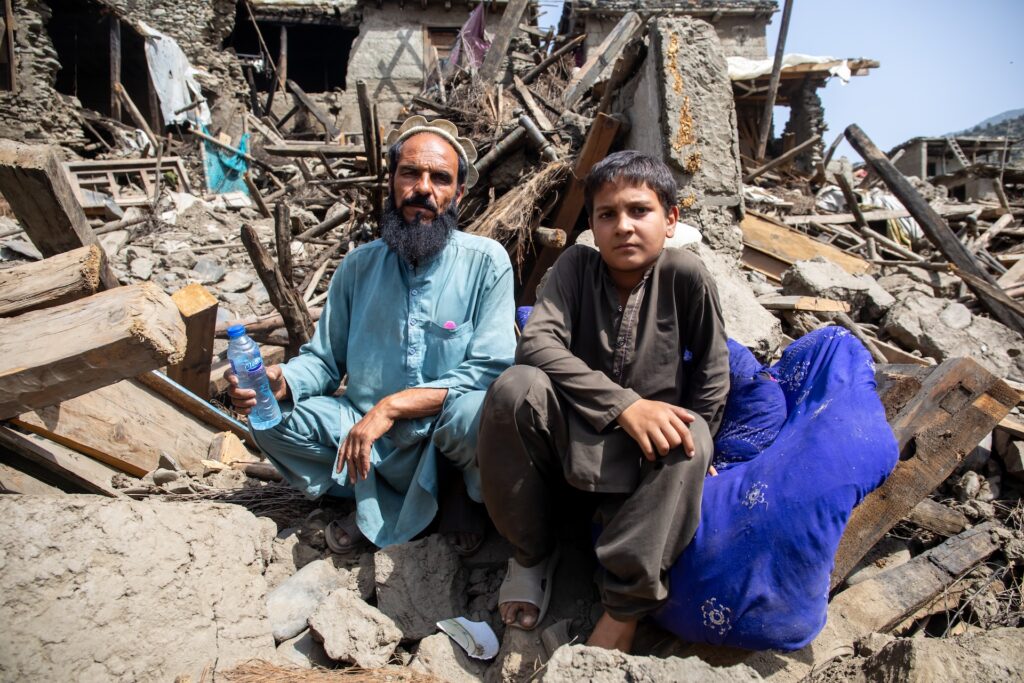
Note: This weekend marks six month since the devastating earthquake in eastern Afghanistan. The below press release from the Norwegian Refugee Council (NRC) warns that the sharp decline in funding risks the closure of services for affected families and puts them in danger of being displaced again.
Oslo, 26 February 2026 – Six months on from the 6.0-magnitude earthquake which hit Kunar province, eastern Afghanistan, on 31st August 2025, funding for humanitarian support to affected families has sharply declined, risking the closure of many services. Without urgent support families are in danger of being displaced again, warns the Norwegian Refugee Council (NRC).
The 6.0-magnitude earthquake that hit Kunar province killed over 2,150 people. An estimated 499,000 people were affected, including 221,000 in acute need of urgent assistance. 186,000 people were assessed as needing shelter and non-food items (NFI) assistance (OCHA). 8,000 homes were destroyed (OCHA).
US$ 111.5 million are required for the earthquake response (OCHA).
“Thousands of families who lost their homes in August’s devastating earthquake are still in limbo. Many have been living in tents or makeshift shelters since the disaster. They have had to endure six months of harsh weather and a biting winter with little more than canvas over their heads,” said Jacopo Caridi, NRC’s country director for Afghanistan. “Now many humanitarian organisations including NRC are running out of funding and will be forced to end their work in the area. This will mean the closure of key services and little chance of proper shelters for families who lost everything.”
“We fear that the scale-back of support means people will have no choice but to seek services and a future elsewhere in the country, adding more displacement and distress. International donors must step up to support the long-term future of Afghans, just as they stepped up to support them when the earthquake struck. Families must be helped to rebuild their lives where they are.”
In August, 8,000 families lost their homes in the earthquake, with a total of 186,000 people requiring emergency shelter support and basic household items. NRC and other humanitarian organisations provided families with emergency tents alongside other key services such as clean water, food, and healthcare. Local authorities also provided shelters for the most vulnerable families, however their funding is also limited making international support vital.
Emergency tents are life-saving in a crisis, but are designed to be stop-gap in the first weeks and months of displacement. They are not adequate as long-term housing.
“We are still living in tents, and our partially repaired house is not safe enough for my family,” said 27-year-old Gul Bacha, who lives in Kunar province. “The emergency assistance helped us survive the first months, but since then, support has stopped. With food distributions ending, we are worried about how we will manage in the coming months. Without continued assistance, families like mine remain at serious risk.”
A lack of aid funding for Afghanistan is leaving significant gaps in the humanitarian response. In 2025, just over 41 per cent of required funding was delivered. This does not take into account the widespread cuts to humanitarian aid from US and many European countries, which will only become evident this year.
Emergency shelter and non-food items were the most underfunded sector across the country with little over 16 per cent of required funds delivered last year. In 2026, the level of required funding so far delivered currently stands at under 1 per cent.The gaps in aid funding means longer-term interventions, after the acute phase of an emergency has passed, are often missing. This includes more substantial shelters, water and sanitation infrastructure, and livelihood support so people can rebuild their lives. This means Afghans are trapped in a cycle of emergencies, unable to plan for their futures or provide for their families.
“As the contraction of global aid funding forces donors to make difficult choices about which crisis to support, families are having their choices taken from them. Afghanistan requires aid today to help the 21.9 million people in need across the country, including the millions who have recently returned with almost nothing from Pakistan and Iran,” said Caridi.
Notes to editors:
Photos from Kunar are available for free use here and b-roll is available here.
A 6.0-magnitude earthquake hit Kunar province on 31st August 2025 killed over 2,150 people. An estimated 499,000 people were affected, including 221,000 in acute need of urgent assistance. 186,000 people were assessed as needing shelter and non-food items (NFI) assistance (OCHA). 8,000 homes were destroyed (OCHA).
US$ 111.5 million are required for the earthquake response (OCHA).
In 2026, 21.9 million people across Afghanistan require humanitarian assistance (OCHA). A total of 1.71 billion US dollars is required to meet the needs of 17.5 million people targeted for assistance. As of mid-February, just 156.6 million, or 9.1 per cent, has been delivered (OCHA).
In 2025, 2.42 billion US dollars was required for the humanitarian response in Afghanistan. By the end of the year just 996 million, or 41.2 per cent, was delivered (OCHA).
Emergency shelter and NFI requires 160.3 million US dollars in 2026. Just 1.5 million US dollars, or 0.9 per cent, has been delivered to date (OCHA). In 2025, 179.1 million US dollars was required and 29.4 million (16.4 per cent) was delivered (OCHA). This makes emergency shelter and NFI the lowest of all sectors in 2025 and 2026.
In 2026, the Shelter Cluster in Afghanistan reduced its targets for emergency shelter by 14 per cent, NFI assistance and seasonal winter support by 30 per cent in comparison to 2025 targets. This adjustment is due to increased prioritisation to realistically reflect the shrinking funding environment impacting humanitarian operations and programmes (OCHA).
NRC has supported families impacted by the earthquake in the hardest-hit areas of Kunar, Nangarhar, and Laghman provinces. NRC has reached more than 60,000 people with assistance tailored to urgent needs, including the construction and rehabilitation of water systems and latrines, distribution of emergency food, multipurpose cash and winterisation support, hygiene and shelter repair kits, as well as protection counselling services. Six months on, needs remain severe. However, due to funding constraints, NRC is forced to phase out its operations in the area, while continuing to support displaced communities across the country through its water and sanitation, shelter, protection, education, and information and legal advice.
For more information or to arrange an interview, please contact: NRC global media hotline: media@nrc.no, +47 905 62 329 – Maisam Shafiey, advocacy and communication manager, Kabul, Afghanistan: Maisam.Shafiey@nrc.no, +93706453029
United Nations journalists – United Nations journalists – United Nations journalists
United Nations News – United Nations News – UN Correspondents Association – UNCA Awards
New York, 24 February 2026 – With the Russian-led war in Ukraine entering a fifth year, the United Nations General Assembly renewed its support for the war-torn country’s sovereignty and territorial integrity, and it called for an immediate, full and unconditional cease-fire.
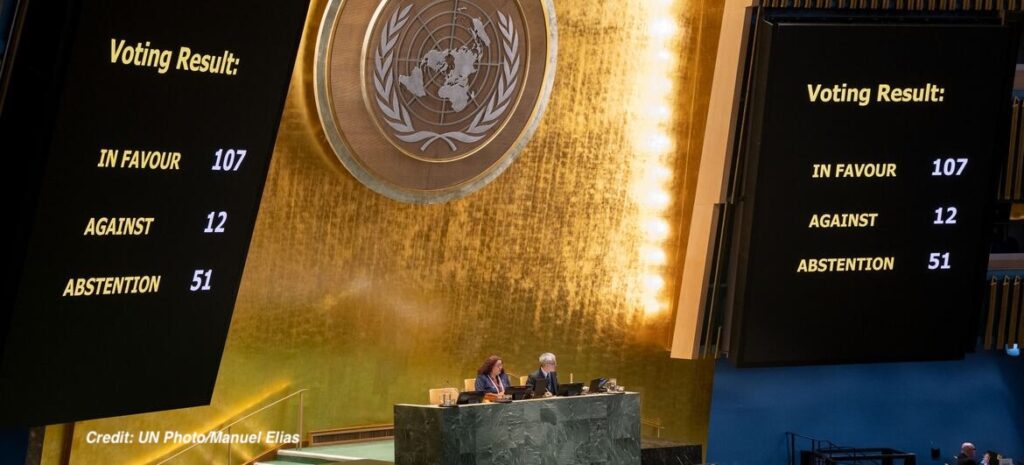
The 193-nation assembly adopted a resolution titled “Support for lasting peace in Ukraine”, which called for the cease-fire, with a 107-12 vote. A total of 51 countries abstained, including the United States. The war broke out on February 24, 2022, in what Annalena Baerbock, President of the UN General Assembly, said had shattered the peaceful aspirations of the European continent.
The United States abstained after its delegation to the United Nations failed to convince the assembly to take a separate vote on two paragraphs included the resolution, which it said would “distract” from current US diplomatic efforts to end the war in Ukraine.
“Four years ago, people in Europe woke up in another world because generations like mine have always had the privilege to live a life in peace,” Baerbock told journalists in Geneva. “But this changed four years ago with the full invasion [by] Russia, of the neighbouring country of Ukraine.”
The resolution said its demand for the cease-fire and respect for Ukraine’s sovereignty is in line with the UN Charter. It also called for the exchange of prisoners of war and the return of civilians forcibly transferred, including children.
Baerbock said in an address to the assembly, “This war, initiated by a permanent member of the Security Council in blatant violation of our Charter, continues to inflict untold suffering on the Ukrainian people. And even as peace negotiations have been ongoing for some time now, the year 2025 stood as the deadliest for civilians since the start of this invasion.”
“Since the beginning thousands of Ukrainian civilians, including children, have been killed or injured. War-related humanitarian needs have only intensified, as the impact of relentless attacks and displacement is felt across the entire length and breadth of Ukraine.”
She said close to 4 million people remain internally displaced, while 5.7 million more live as refugees globally and nearly one-third of the population has been forced to flee, including more than half of all Ukrainian children.
“This violence spares no one: not mothers or fathers, not grandparents, and certainly not children,” the UN official said.
“This war needs to finally end… Any peace agreement must be grounded in the UN Charter, international law and General Assembly resolutions,” Baerbock said.
UN News reported on February 24 quoting Matthias Schmale, the UN Resident and Humanitarian Coordinator in Ukraine as saying that 2025 was the deadliest year for civilians since Russian troops invaded Ukraine.
“We are witnessing the devastating impact of systematic attacks on energy infrastructure that have disrupted electricity, heating and water supplies across the country, in some cases leaving entire towns without electricity and water supply for weeks,” Schmale said from Kiyv.
Schmale said data showed that at least 2,500 civilians were killed and more 12,000 injured in 2025, a more than 30 per cent increase compared with 2024.
UN Security Council holds meeting on Ukraine war – The 15-nation Security Council, whose resolutions are binding on UN member states, also held a debate on the war, but it took no action.
UN News reported that Rosemary DiCarlo, Under-Secretary-General for Political and Peacebuilding Affairs, delivered remarks on behalf of the Secretary-General, saying “the war remains a stain on our collective conscience.” It has “shattered lives, devastated communities, and deepened regional and global instability,” she said.
She highlighted the “catastrophic” human toll which includes more than 15,000 civilians killed, 41,000 injured and millions forced to flee their homes, while “a whole generation has lost years of education as schools have come under fire.”
Amid the current winter season, characterized by sub-zero temperatures, Russia has intensified strikes against Ukraine’s energy system.
As civilians in Russia are also increasingly affected by reported Ukrainian strikes, she called for both sides to implement an immediate moratorium on such attacks.
The fighting also poses direct risks to the safety and security of Ukraine’s nuclear sites and “this unconscionable game of nuclear roulette must cease immediately.”
As war rages on, “the UN is working closely with the Government to repair damaged infrastructure, keep people warm, and sustain critical services,” she said.
“Despite limited access and the deteriorating security situation, we are also working with local partners to deliver food, water, medical supplies and other humanitarian aid, including to those in front-line communities,” she added, urging Member States to fully fund the humanitarian response.
United Nations journalists – United Nations journalists – United Nations journalists
United Nations News – United Nations News – UN Correspondents Association – UNCA Awards
New Delhi/New York, 20 February 2026 – India was hosting a three-day summit in New Delhi on the AI impact focusing on bringing the fast-paced developing technology’s benefits to people and the world as the event was seen as a major international meeting supported by government leaders and heads of organizations
The summit is expected to issue a Declaration after the adoption of the text by the 70 countries that attended it. The proposed declaration reportedly would emphasize several broad themes on shared commitment to develop and govern AI that will benefit all humanity, promote global cooperation and development.
The summit said in its main website that “The India–AI Impact Summit 2026 marks a defining global inflection point — transitioning from dialogue to demonstrable impact. Anchored in the principles of People, Planet, and Progress, it envisions a future where AI advances humanity, fosters inclusive growth, and safeguards our shared planet.”
It aims at shaping a Sustainable AI Future with three goals: “People – AI must serve humanity in all its diversity, preserving dignity and ensuring inclusivity; Planet – AI innovation must align with environmental stewardship and sustainability and Progress – AI benefits must be equitably shared, advancing global development and prosperity.”
UN leaders attended the summit, seeking funding for AI diffusion that benefits all people and countries, and emphasizing the need of human rights governance on AI.
UN Secretary-General AntonioGuterres called for a global fund of US$ 3 billion that will make AI accessible and beneficial to all people and not just companies and billionaires. The head of the Human Rights Commission said AI technology must be governed through a human rights framework that ensures transparency, accountability and inclusion.
Guterres said the UN will launch a Global Dialogue on AI Governance – within the UN to erect “guardrails that preserve human agency, human oversight – and human accountability.” He said the first session of the Global Dialogue will be held in Geneva in July to give every country a voice, uphold human rights, prevent misuse by AI.
“But without investment, many countries will be logged out of the AI age.
AI must be accessible to everyone,” he said. “That’s why I am calling for a Global Fund on AI – to build basic capacity everywhere: Skills, data, affordable computing power, and inclusive ecosystems.”
He said the US$ 3 billion needed represent less than one per cent of the annual revenue of a single tech company.
“A small price for AI diffusion that benefits all – including the businesses building AI,” he said.
Volker Türk, the UN High Commissioner for Human Rights, said in an interview with UN News while attending the summit that AI is a technology that can be used for good but also for bad and therefore the UN
needs to ensure that there is a “framework within which they are developed, designed and used, and that’s where human rights come in.”
UN News: What are the biggest human rights risks that you see from rapid AI expansion today?
Volker Türk: There is a huge issue of inequity, and that’s why I’m so happy that this AI summit is taking place in India. It’s really important that these tools are used everywhere and that they are developed everywhere.
Then there’s the issue of bias and discrimination. If the data are only collected from one part of the world, if only men are developing AI, then unconscious bias will be built in. We believe that it’s key to be mindful of vulnerable groups and minorities because they are often excluded from AI development. It’s about meaningful participation and giving a vision of a better world. Human rights provide that vision.
UN News: Generative AI is moving faster than regulation. What guardrails must governments and companies put in place as a matter of urgency?
Volker Türk: Take the pharmaceutical industry as an example: testing can sometimes last for a long time because you need to make sure that any risks associated with a new product are identified before it goes on sale.
When it comes to AI tools, we need to demand that companies do a human rights impact assessment when they design, roll out and market them.
We have seen for quite some time now that some companies have bigger budgets than some smaller countries. If you are able to control technology not just in your country but around the world, you exercise power. You can use the power for good – to do things that hopefully help in areas such as health, education and sustainable development – but you can also use that power for bad things, such as automated lethal weapons, and spreading disinformation, hate and violent misogyny.
UN News: What kind of AI-driven governance or rules are required to prevent AI systems from reinforcing bias and inequality?
Volker Türk: I had a chance to talk with people who produce these things or develop them and design them. What strikes me is that they often have a very superficial knowledge about fundamental principles when they go into the development phase.
It reminds me a little bit of Frankenstein’s monster; you develop something that you don’t control anymore. You let the genie out of the bottle.
If you’re not mindful of the dangers and the risks, you can wreak havoc. We have seen it in Myanmar, for example, where there was a lot of hate speech against the Rohingya on social media platforms.
It’s so important to bring in the perspective of each and every segment of society, especially women and young people, and to bear in mind that our brains develop in different ways.
We don’t want to create addictions that poison our minds and souls. We also need to be aware of how harmful disinformation not only destroys the social fabric but also creates divisive and polarised societies where everyone lives in their own bubble.
We also see a lot of misogyny. Many female politicians tell me that they are thinking of exiting politics because of what they experience on social media.
UN News: Five years from now, what do you think responsible AI would look like?
Volker Türk: What I hope we would have is inclusive development of artificial intelligence, where power is no longer concentrated within a handful of companies in North America, and that AI development builds on the richness and diversity of all of us in each society.
I hope for an inclusive, meaningful, participatory type of development, that helps us solve the many problems and challenges in today’s world. The climate crisis, access to healthcare, education for everyone – AI can be a fantastic tool to help us achieve these goals.
The flip side is that, if we are not putting forward a vision of a better world, we could end up even more polarized, and where we have wars that are no longer controlled by humans. And that’s very dangerous. END
United Nations journalists – United Nations journalists – United Nations journalists
United Nations News – United Nations News – UN Correspondents Association – UNCA Awards
Kyiv, Ukraine, 20 February 2026 – The United Nations High Commissioner for Refugees, Barham Salih, today urged sustained international solidarity and stronger support for Ukrainians awaiting much-needed peace.
HC Salih travelled to Ukraine as the full-scale invasion enters its fifth year with intensified attacks during the harshest winter of war so far. Repeated Russian strikes on energy infrastructure have left millions without electricity and heating in freezing temperatures, while escalating hostilities along the front line continue to force people to flee their homes.
“I’ve come to Ukraine in this dark hour to show solidarity with its people, to see how UNHCR is contributing to the government-led efforts, and to reaffirm our commitment to stand with Ukraine at this difficult time and beyond,” he said, concluding his first visit to the country. “Nothing can compensate the losses in this war, and the many lives lost, but we can help Ukraine and its people recover and rebuild.”
Over several days in Kyiv and front-line cities – Dnipro, Zaporizhzhia and Kharkiv – UNHCR’s chief met families whose homes had been damaged by glide bombs and missiles and people recently evacuated from front-line communities. He observed UNHCR’s emergency assistance after strikes and in transit centres for displaced people; legal aid for those who lost documents to ensure their access to rights and services; and work to repair war-damaged houses to allow people to remain in their homes or return.
“The destruction I have witnessed is immense, and the personal stories of loss and hardship are heart-wrenching. Despite this, Ukrainians continue to show extraordinary courage, compassion and hope. Their strength should compel all of us to action – to protect lives now, to support them in the vital rebuilding that is already underway, and to work tirelessly for a just and lasting peace,” HC Salih said.
The High Commissioner met Ukraine’s President Volodymyr Zelenskyy, as well as Deputy Prime Minister for Restoration Oleksii Kuleba; Minister for Foreign Affairs, Andrii Sybiha; Minister of Social Policy, Family and Unity, Denys Uliutin; Ukrainian Parliament Commissioner for Human Rights Dmytro Lubinets; and local and regional officials.
In addition, he met UNHCR’s strong network of Ukrainian partners, community representatives, other UN agencies and the diplomatic community. He reconfirmed UNHCR’s commitment to deliver life-saving emergency support, contribute to the recovery work and pursue long-term solutions for the nearly 3.7 million displaced within the country.
Since the first days of the war, UNHCR, the UN Refugee Agency, scaled up its presence and response inside Ukraine and in countries generously hosting close to 5.9 million refugees.
Over the past four years, complementing the efforts of the authorities, UNHCR and its partners have reached close to 10 million people in Ukraine with assistance. In 2026, the agency is appealing for $470 million to support over 2 million people in line with the 2026 Humanitarian Needs and Response Plan priorities. UNHCR is grateful for the donor support it has already received.
For more information on this topic, please contact: In Ukraine: Elisabeth Haslund, haslund@unhcr.org, +380 95 239 0072 In Geneva (regional): Eleni Biza, biza@unhcr.org, +41 78 337 8082 In Geneva: Matthew Saltmarsh, saltmars@unhcr.org, +41 79 967 99 36
United Nations journalists – United Nations journalists – United Nations journalists
United Nations News – United Nations News – UN Correspondents Association – UNCA Awards
Note: Ukraine marks four years of full-scale war on Tuesday 24 February 2026. The below press release from the Norwegian Refugee Council (NRC) warns that displaced families are now being forced to survive on dwindling aid, exhausted savings, and often have no safe homes to return to. Vulnerable displaced people report an average monthly income of just three-quarters of the average monthly rental costs. This expense comes on top of other essential costs such as food and medicine.
Oslo, 20 February 2026 – As Ukraine marks four years since the start of the full-scale war, internally displaced people face a mounting pressure to survive with dwindling aid, exhausted savings, and no safe homes to return to, warns the Norwegian Refugee Council (NRC).
The harsh winter has compounded their dire situation, underscoring the need for urgent humanitarian support and Ukrainian government leadership on finding solutions for displaced people.
“After four years of war, displaced people are facing an incredible burden,” said Marit Glad, NRC’s country director in Ukraine. “Many people have burnt through their life savings and have no home to return to due to ongoing destruction and danger. I have spoken to countless displaced people who tell me they are struggling to provide for their families, often caring for children, family members with disabilities or limited mobility, while still facing the constant terror of drone attacks and the war. Without support, survival is becoming impossible.”
Ukraine’s most vulnerable displaced people are under increased pressure to make impossible choices to survive after often spending more than two years in displacement.
Vulnerable displaced people report an average monthly income of just 4,472 UAH (around 103 US dollars) – three-quarters of the estimated average monthly rental costs of 6,000 UAH (around 140 US dollars) for displaced people across Ukraine. This expense comes on top of other essential costs such as food and medicine.
With savings depleted after years of displacement, many families are now forced to live in precarious conditions, often resorting to risky or unsustainable solutions to cope, including reducing their health or heating expenses. This is particularly dangerous over winter where temperatures have plummeted to -20 degrees Celsius.
“Paying for documents, affording rent, paying for treatment for the boy. We had such a difficult period, and the pressure was so high,” said Kateryna, a 64-years old woman who is the sole carer for her 14-year-old grandson, Sasha. Both have been displaced since 2022 from Toretsk, Donetsk region. NRC supported the family with cash to cover their rent for six months, as well as with legal assistance to access key documentation. “When the money came, I cried. I couldn’t believe it,” said Kateryna.
Many displaced families are forced to share a home with others in order to afford a roof over their heads. “We were living in one house with twelve people, including seven children, crammed together,” said Olena, who fled from Asiivka, Karkhiv region, in 2022.
“It was a house full of souls.” After being displaced, her family found refuge further from the frontlines in the same region. There they were met with the challenge of providing for what had suddenly become a small community living under the same roof.
“The Ukrainian government should continue to lead collective efforts to provide internally displaced people with access to safe, warm homes so that they don’t need to deplete their remaining savings or resort to dangerous coping mechanisms to survive,” said Glad.
“Leadership on finding long-term solutions to displacement is essential to prevent a deepening crisis and requires a clear plan and the resources to implement it. International donors should support these efforts.”
The harsh winter has intensified needs, with blackouts, fuel shortages, and the destruction of energy infrastructure limiting heating, electricity, and water access for millions of displaced people. The most vulnerable have borne the brunt of the extreme cold in inadequate homes and often at risk of social isolation.
People who have fled Ukraine and found refuge in neighbouring countries are also struggling. In Moldova, many families are unable to meet their basic needs years after leaving Ukraine, as savings are depleted and stable jobs remain hard to access. Many families rely on humanitarian assistance to meet their daily needs.
“International donors must not forget the promises they have made to Ukrainians. As this conflict becomes increasingly protracted it is vital that donors maintain robust support for displaced families who have endured years of hardship. They must not become the war’s invisible casualties,” said Glad.
Notes to editors:
Photos and stories of displaced Ukrainians are available for free use here.
According to data gathered by NRC in September 2025 from 113,845 internally displaced people (IDPs), who applied for assistance from NRC, vulnerable IDP households across Ukraine reported an average monthly income per household of 4,472 UAH (around 103 US dollars). They also reported resorting to three negative coping mechanisms to deal with the gap between their income and expenses. These were reduced health expenditure (20.2 per cent), reduced heating (13.2 per cent), spent savings (11.1 per cent).
IDPs who rent continue to experience a heavier rental burden than other population groups. Nationally, IDPs renters reported a median monthly rent of UAH 6,000 (around 140 US dollars) (IOM).
Across Ukraine 3,712,000 people are still internally displaced as of January 2026 (IOM). A further 5,349,060 people have found refuge across Europe as of January 2026 (UNHCR). Moldova currently hosts 139,160 refugees from Ukraine as of December 2025 (UNHCR).
Most IDPs continue to experience protracted displacement, with 71 per cent having been displaced for over two years (IOM).
The Ukraine Humanitarian Needs and Response Plan for 2025 received 1,500 million US dollars of the required 2,634 million US dollars (57 per cent coverage) (OCHA). In 2026, the Humanitarian Needs and Response Plan requires 2,304 million US dollars to support 4.1 million of the most vulnerable conflict-affected and displaced people in Ukraine (OCHA).
The Moldova portion of the Ukraine regional refugee response plan received 88 million US dollars of the required 205 million US dollars in 2025 (UNHCR). In 2026, the response requires 116 million US dollars to reach 90,000 of the most vulnerable refugees (OCHA).
NRC has been present in Ukraine since 2014 and currently delivers cash, housing repairs and winter assistance, education, community protection, and legal assistance on housing, identity, and services – partnering with local organisations to meet displaced and conflict-affected families’ essential needs with dignity. Since the escalation of the war in 2022, NRC Ukraine has assisted over 1,500,000 individuals.
NRC has been present in Moldova since 2022 and currently delivers education services, legal assistance, livelihoods support, housing repairs, and winter assistance. Since 2022, NRC in Moldova has reached over 182,000 individuals. In 2025, 80 per cent of NRC’s project participants were reached through local partners.
For more information or to arrange an interview, please contact:
NRC global media hotline: media@nrc.no, +47 905 62 329
New York, 4 February 2026 – The United Nations has launched what it calls a first global panel of 40 distinguished individuals working independently from governments or institutions to close the gap of knowledge and assess the real impacts of Artificial Intelligence across economies and societies.
The new Independent International Scientific Panel on Artificial Intelligence will comprise the 40 specialists selected (see the list below) from a list of 2,600 applicants from every region, UN Secretary-General Antonio Guterres said when he announced the completion of the selection process to the media at the UN Headquarters. He said the list of names was submitted to the 193-nation UN General Assembly, which established the panel for a three-year term in September 2025, for its consideration.
“It will be the first global, fully independent scientific body dedicated to helping close the AI knowledge gap and assess the real impacts of AI across economies and societies,” Guterres said in an address to the media at the UN Headquarters.
“And this could not be more urgent. AI is moving at the speed of light. No country can see the full picture alone. We need shared understandings to build effective guardrails, unlock innovation for the common good, and foster cooperation.”
“The Panel will help the world separate fact from fakes, and science from slop. It will provide an authoritative reference point at a moment when reliable, unbiased understanding of AI has never been more critical.”
The UN chief said all panel members will serve in their personal capacity – “independent of any government, company, or institution” and they will submit a first report expected in July to inform the Global Dialogue on AI Governance. He said the panel’s members are individuals “with deep expertise across disciplines – including
machine learning, data governance, public health, cybersecurity, childhood development, and human rights.”
“AI is transforming our world,” he said. The question is whether we will shape this transformation together or allow it to shape us. At a time of deep geopolitical tension and growing technological rivalry, we urgently need common ground – and a practical basis for cooperation based on science and solidarity. That is what this panel can help deliver.”
Members of the Independent International Scientific Panel on Artificial Intelligence:
1. Girmaw Abebe Tadesse (Ethiopia)
2. Tuka Alhanai (United Arab Emirates)
3. Joëlle Barral (France)
4. Yoshua Bengio (Canada)
5. Tegawendé Bissyandé (Burkina Faso)
6. Loreto Bravo (Chile)
7. Mark Coeckelbergh (Belgium)
8. Carlos Coello Coello (Mexico)
9. Melahat Bilge Demirköz (Türkiye)
10. Adji Bousso Dieng (Senegal)
11. Awa Bousso Dramé (Cabo Verde)
12. Mennatallah El-Assady (Egypt)
13. Hoda Heidari (Islamic Republic of Iran)
14. Juho Kim (Republic of Korea)
15. Anna Korhonen (Finland)
16. Aleksandra Korolova (Latvia)
17. Vipin Kumar (United States of America)
18. Sonia Livingstone (United Kingdom of Great Britain and Northern Ireland)
19. Qinghua Lu (Australia)
20. Teresa Ludermir (Brazil)
21. Vukosi Marivate (South Africa)
22. Bilal Mateen (Pakistan)
23. Yutaka Matsuo (Japan)
24. Joyce Nakatumba Nabende (Uganda)
25. Andrei Neznamov (Russian Federation)
26. Maximilian Nickel (Germany)
27. Rita Orji (Nigeria)
28. Román Orús (Spain)
29. Alvitta Ottley (Saint Kitts and Nevis)
30. Martha Palmer (United States of America)
31. Johanna Pirker (Austria)
32. Balaraman Ravindran (India)
33. Maria Ressa (Philippines)
34. Lior Rokach (Israel)
35. Piotr Sankowski (Poland)
36. Silvio Savarese (Italy)
37. Bernhard Schölkopf (Germany)
38. Haitao Song (China)
39. Leslie Teo (Singapore)
40. Jian Wang (China)
(By J. Tuyet Nguyen)
United Nations journalists – United Nations journalists – United Nations journalists
United Nations News – United Nations News – UN Correspondents Association – UNCA Awards
Geneva, 3 February 2026 – The World Health Organization (WHO) has launched an appeal for nearly US$ 1 billion which it said would allow it to respond to this year’s increasing demand for health emergency support due to climate extremes, conflicts and infectious disease outbreaks.
“This appeal is a call to stand with people living through conflict, displacement and disaster – to give them not just services, but the confidence that the world has not turned its back on them,” said Dr Tedros Adhanom Ghebreyesus, WHO Director-General. “It is not charity. It is a strategic investment in health and security. In fact, access to health care restores dignity, stabilizes communities and offers a pathway toward recovery.”
WHO said in announcement that the 2026 appeal will respond to 36 emergencies worldwide, “including 14 Grade 3 emergencies requiring the highest level of organizational response. These emergencies span sudden-onset and protracted humanitarian crises where health needs are critical.”
“The 2026 appeal comes at a time of converging global pressures,” WHO said. “Protracted conflicts, the escalating impacts of climate change and recurrent infectious disease outbreaks are driving increasing demand for health emergency support – while global humanitarian financing continues to contract.”
WHO said the priority emergency response areas in 2026 will include Afghanistan, the Democratic Republic of the Congo, Haiti, Myanmar, the occupied Palestinian territory, Somalia, South Sudan, Sudan, the Syrian Arab Republic, Ukraine and Yemen, as well as ongoing outbreaks of cholera and mpox.
It said the appeal In 2025 was launched with partners to support 30 million people funded through its annual emergency appeal, which helped to deliver life-saving vaccination to 5.3 million children, enabled 53 million health consultations, supported more than 8000 health facilities, and facilitated the deployment of 1370 mobile clinics. As the world’s leading health organization, WHO said it coordinates more than 1500 partners across 24 crisis settings globally, ensuring that national authorities and local partners remain at the centre of emergency response.
WHO warns funding cuts will undermine global health system
The WHO Director-General warned on 2 February that cuts to international aid and persistent funding gaps are undermining the global health system as the risk from pandemics, drug-resistant infections and fragile health services are on the rise, as reported by UN News.
Addressing the WHO Executive Board in Geneva, Tedros stressed the impact of workforce reductions last year due to “significant cuts to our funding,” which have had significant consequences.
“Sudden and severe cuts to bilateral aid have also caused huge disruptions to health systems and services in many countries,” he told health ministers and diplomats, describing 2025 as “one of the most difficult years” in the agency’s history.
While WHO had managed to keep its lifesaving work going, Tedros said the funding crisis exposed deeper vulnerabilities in global health governance, particularly in low and middle-income countries struggling to maintain essential services.
The WHO Executive Board has a sweeping agenda covering pandemic preparedness, immunisation, antimicrobial resistance, mental health and health emergencies in conflict zones.
“In response to funding cuts, WHO is supporting many countries to sustain essential health services, and to transitionaway from aid dependency towards self-reliance,” Tedros said, pointing to domestic resource mobilisation – including higher health taxes on tobacco, alcohol and sugary drinks – as a key strategy.
Yet the scale of unmet needs remains vast. According to WHO, 4.6 billion people still lack access to essential health services, while 2.1 billion face financial hardship because of health costs. At the same time, the world faces a projected shortage of 11 million health workers by 2030, more than half of them nurses.
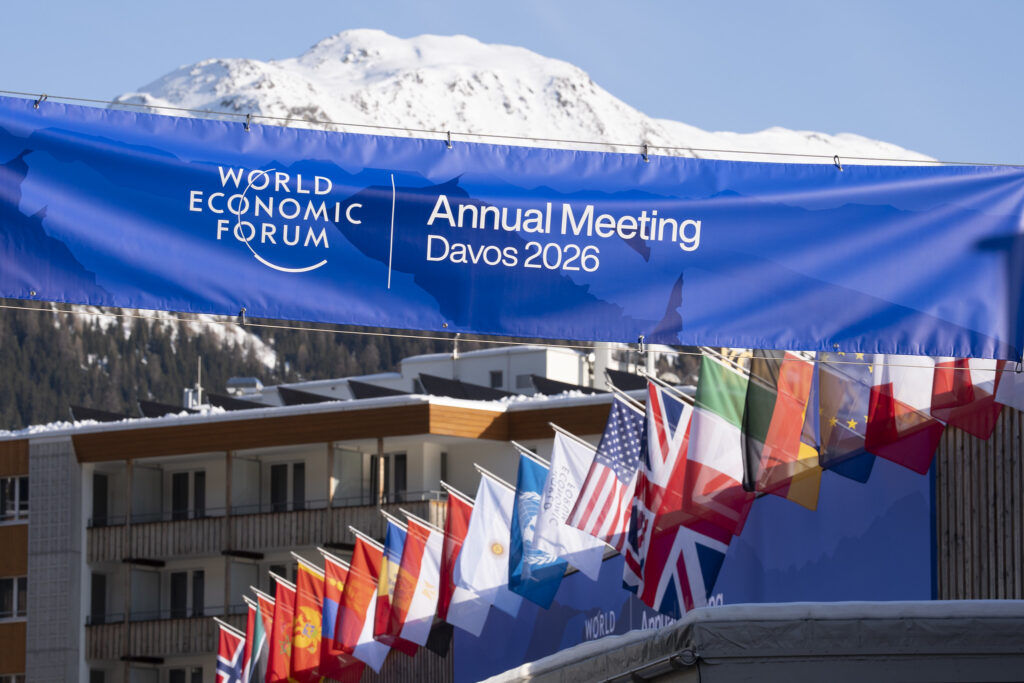
Note: The World Economic Forum ended its annual meeting (19-23 January) attended by close to 3,000 leaders from across regions, sectors and generations from 130 countries came together, including a record 400 top political leaders, nearly 65 heads of state and government, a majority of G7 leaders, close to 830 of the world’s top CEOs and chairs, and almost 80 leading unicorns and technology pioneers. It said participants exchanged insights on peace, security, technology, growth, investing in people and building prosperity within planetary boundaries. The following is a summary of the meeting.
Davos-Klosters, Switzerland, 23 January 2026 – The 56th Annual Meeting of the World Economic Forum convened nearly 3,000 leaders from government, business, civil society and academia under the theme “A Spirit of Dialogue”, against the most complex geopolitical backdrop in decades. The meeting provided an essential and leading platform for open exchange among leaders. They worked to find areas of agreement on the world’s most pressing challenges, from peace and security to technology, growth, people and the planet.
The meeting welcomed a record 400 top political leaders, including nearly 65 heads of state and government, with a majority of G7 leaders present in Davos. Some 200 sessions and workshops took place, serving as an impartial platform for the exchange of views and ideas and enabling the engagement of a wide range of voices. With a decisively future-oriented approach, the meeting focused on frontier innovation and actionable insights.
“This is a moment of uncertainty, but also possibility; not a moment to retreat, but a moment to engage,” said Børge Brende, President and CEO, World Economic Forum. “The World Economic Forum is not about responding to current events. It is about creating the right conditions that enable us to move forward.”
“We believe economic progress should be shared,” said Larry Fink, Interim Co-Chair, World Economic Forum, and CEO, BlackRock. “We believe prosperity should reach further than it has, and we believe institutions like the World Economic Forum still matter in making that happen.”
“This year, Davos has reached a new level. Not only was it the intended platform for dialogue, but it also marked turning points and drove decisions,” said André Hoffmann, Interim Co-Chair, World Economic Forum, and Vice-Chairman, Roche Holding.
How can we cooperate in a more contested world? – At a time of geopolitical and societal shifts, with geoeconomic confrontation emerging as the top global risk for 2026, long-held assumptions about security and sovereignty are being challenged, all of which point to the need for new mechanisms for collaboration. Building on its 56-year track record and unique legacy in connecting leaders to move the world forward together, the meeting brought participants together to spur dialogue, advance cooperation and rebuild trust on the most contested issues of the day and protracted crises that garner less attention.
The fundamental importance of trust in preserving and deepening cooperation was a consistent theme throughout the week’s conversations. Leaders warned of the dangers of declining trust, both in institutions and in global politics, saying that it erodes the ability to respond to shared challenges, from inequality and conflict to the climate crisis. Participants highlighted that, despite some challenging headwinds, fresh bright spots of regional cooperation continue to emerge, echoing the findings of the Global Cooperation Barometer 2026. They reiterated that effective communication and dialogue remain the only true way to rebuild trust at global, regional and local levels.
Finding that the volatile and uncertain landscape has profound implications for how industry should approach business strategy, a Forum report highlighted the need for companies to build geopolitical foresight, or “muscles”, directly into their operating models.
Experts assessed the direction of US–China relations in the wake of the November trade deal, weighing its implications for global economic stability and geopolitical competition between the world’s two largest economies. Another session identified urgent measures to bolster financial-sector resilience in the West Bank and Gaza amid economic pressures. Religious leaders examined how interfaith engagement could contribute to stabilisation efforts in Gaza and inform peacebuilding approaches in other conflict-affected contexts, in line with the Gaza Peace Plan.
“But opportunities that are bigger and grander than ever before in human history are right before us,” said Donald J. Trump, President of the United States
“[We need] dialogue with our friends and partners and also, if necessary, with our adversaries,” said Ursula von der Leyen, President of the European Commission. “The world has changed permanently and we need to change with it too,” she said.
“The right approach should be, and can only be, to find solutions together through dialogue and steer economic globalization in the correct direction,” said He Lifeng, Vice-Premier of the People’s Republic of China.
“Society, science, economics and politics must work together hand in hand, in a spirit of partnership,” said Guy Parmelin, President of the Swiss Confederation 2026.
“Geoeconomics is the new geopolitics. In this new era, we need much more dialogue, imagination and entrepreneurship to regain forward momentum,” said Mirek Dušek, Managing Director, World Economic Forum.
“At a time of increased fragmentation, dialogue has become a strategic capability. It is what allows trust, cooperation and progress to survive in a more contested world,” said Maroun Kairouz, Managing Director, World Economic Forum.
“The only way to achieve peace, stability and development in a sustainable fashion requires international dialogue and cooperation,” said Abdel Fattah El-Sisi, President of Egypt.
“We can shape the future,” said Friedrich Merz, Federal Chancellor of Germany. “To succeed, we must face harsh realities and chart our course with clear-eyed realism,” he said.
How can we unlock new sources of growth? – The Forum’s latest Chief Economists’ Outlook offered a real-time snapshot of the global economic sentiment for the year ahead, noting the economy’s relative resilience amid turbulence and guiding leaders through uncertainty around asset valuations, sovereign debt crises, and the economy-wide roll-out of artificial intelligence (AI). In addition, the Leaders for European Growth and Competitiveness community gathered to align on concrete actions to overcome fragmentation, deepen market integration and scale investment. Informal dialogue with the European Commission president explored strategies for maintaining economic security and growth amid geopolitical pressures.
AI and the infrastructure that delivers it were core to public and private sector growth plans. Technology leaders outlined rapid advances, while discussions focused on widening access so people and businesses in both advanced and developing economies share in growth.
Five Nobel laureates in economics presented their latest research and insights on the global economy. Leaders also cautioned against deepening fractures in the global trade system, particularly between some of the world’s largest economies, emphasizing the mutual benefits of international trade.
Complementing the Annual Meeting, a series of regional events each year further foster dialogue, trust and multistakeholder collaboration, advancing global priorities through region-specific action. Over the next 18 months, the Forum will host new events with the governments of Türkiye, Egypt and Panama, among others. The Global Collaboration and Growth Meeting will be held in Jeddah, Saudi Arabia on 22-23 April 2026. In collaboration with the Government of South Africa, the Forum also announced a high-level event in spring 2027, providing a platform for dialogue in Africa and reinforcing the central role of emerging and developing economies in global solution-building.
“Understanding how the world works, having appreciation for other cultures, understanding connections and being able to appreciate the ways we connect, whether it’s through technology, trade, investment, culture can enrich our lives and help solve problems,” said Mark Carney, Prime Minister of Canada.
“The development of AI, the gain of productivity that we hope for, is difficult to reconcile with fragmentation in terms of standards, licensing and access,” said Christine Lagarde, President of the European Central Bank. “I would contend that this can only be remedied by a degree of cooperation,” she said.
“As growth and innovation happen, some firms, jobs and tasks decline as new ones emerge, a process known as creative destruction,” said Saadia Zahidi, Managing Director, World Economic Forum. “This is a leadership moment to ensure that societies are prepared for navigating these transformations,” she said.
“I think what government should be focused more on is policy conducive to growth,” said Jamie Dimon, Chairman and Chief Executive Officer, JPMorganChase.
“Despite all the uncertainties that we talk about, trade has been largely resilient,” said Ngozi Okonjo-Iweala, Director-General, World Trade Organization.
How can we better invest in people? – Against a challenging economic and social backdrop and through rapid technological advancement, improving the resilience of workforces is vital. This suggests a focus on improving and increasing reskilling, upskilling, job creation and workforce preparedness. Widening access to credit should be prioritized, leaders said, to encourage entrepreneurship.
The Forum announced major global commitments to its Reskilling Revolution initiative, which is now on track to reach more than 850 million people worldwide, nearing its target of equipping one billion people with better access to skills, education and economic opportunities. In parallel, India launched a new national Skills Accelerator, aiming to rapidly scale industry-aligned training and improve employability for millions of workers. Leading technology companies pledged to collectively support 20 million workers by 2030 through the World Economic Forum’s Communications and Technology Industry Community Pledge.
Leaders also emphasized the importance of ensuring education stays relevant for the jobs of the future, including encouraging vocational professions, pointing to the growing opportunity they represent as technology advances. A new initiative, SmartStart USA, was launched to prepare 1 million young people for future-ready manufacturing and supply chain jobs by 2035.
The report Transforming Capital for the Next Era: Gender Parity and the Expansion of the Investable Frontier shows how converting rising female wealth ownership into allocator power can expand deal flow, broaden the range of businesses that scale and support more resilient market performance. The Forum also launched the Women’s Health Investment Outlook, which called for stronger evidence and transparency to unlock investment in women’s health, offering an opportunity to improve the quality of life for women worldwide.
The Youth Pulse 2026: Insights from the Next Generation for a Changing World underscores the priorities of young leaders in the Global Shapers Community, drawing on one of the most diverse datasets capturing next-generation trends on society, politics, the economy, technology and the environment.
“[AI] is a tsunami hitting the labour market and, even in the best prepared countries, I don’t think we are prepared enough,” said Kristalina Georgieva, Managing-Director, International Monetary Fund.
“We’re knocking on the door of these incredible capabilities,” said Dario Amodei, Chief Executive Officer, Co-Founder, Anthropic. “I think in the next few years we’re going to be dealing with how we keep these systems under control, that are highly autonomous and smarter than any human,” he said.
“The way of really making people safe and comfortable and co-exist nicely with AI is to use more AI and also get them adapted to it quickly,” said Eric Xing, Mohamed bin Zayed University of Artificial Intelligence.
“Innovation has to be matched with delivery capacity,” said Sania Nishtar, Chief Executive Officer, Gavi, the Vaccine Alliance. “The challenge is, if you do not have that delivery capability, if you do not have sustainable financing, you’re unable to use innovation for the impact that they’re intended to have,” she said.
“AI is entering into the health system, but not just into the health system. It’s all the way down to the level of the patient,” said Bill Gates, Chair and Board Member, Gates Foundation.
“The human edge is really what we have to focus on,” said Jonas Prising, Chair and Chief Executive Officer, ManpowerGroup. “That’s where policy-makers and distribution policies are so important,” he said.
How can we deploy innovation at scale and responsibly? – AI and emerging technologies are fundamentally transforming every industry sector and the global labour market, driving profound changes in skill requirements and entire professions across both advanced and emerging economies. CEOs across regions highlighted practical strategies for deploying AI on complex, mission-critical tasks and for driving long-term transformation, looking at actionable insights on how to redesign capabilities, decision-making and operating models to unlock AI’s full enterprise value.
When proven technology like AI links with emerging fields like quantum computing or synthetic biology, ideas move from lab to market faster, influencing how industries grow and unlocking new ways of improving the world around us. A new Forum report, Proof Over Promise: Insights on Real-World AI Adoption from 2025 MINDS (Meaningful, Intelligent, Novel, Deployable Solutions), examined how leading organizations are closing the gap between AI ambition and real-world execution. The Forum also announced a new MINDS cohort, highlighting 20 pioneering organizations demonstrating how AI is driving measurable gains in productivity, resilience and competitiveness across industries and society.
The responsible and fair use of such technologies as AI was a core theme, with participants from the public and private sectors emphasizing balancing the potential of these tools with their potential pitfalls. Leaders in the field encouraged their peers to draw on lessons from history for insights on how to manage the rollout of AI. The Global Framework for Innovative and Trusted Digital Embassies, developed in collaboration with public and private sector stakeholders, will enable economies with limited domestic capacity to access sovereign AI infrastructure, secure data storage and compute. A Forum report on Latin America in the Intelligent Age: a New Path for Growth highlighted how the region can boost growth and address long-standing societal challenges with AI and other frontier technologies.
The Forum welcomed five new centres in the United Kingdom, France, the United Arab Emirates and India to be part of the Fourth Industrial Revolution Network, strengthening global collaboration on AI, energy systems, agriculture innovation and cybersecurity.
To meet the energy needs of tomorrow, technology must be scaled up, grids upgraded and access to innovation developed. A new report on clean fuel suggests global clean fuel investment could rise from ~$25 billion today to over $100 billion annually by 2030, driven by new demand and government ambitions.
The Forum welcomed 23 new industrial sites to its Global Lighthouse Network, demonstrating how advanced technologies can improve productivity, resilience, sustainability, talent and customer-centricity at scale. A related report on the Global Lighthouse Network: Rewiring Operations for Resilience and Impact at Scale provides a strategic analysis of the industry transformations achieved by the latest Lighthouse sites, offering a blueprint for scaling frontier technologies to improve operational performance. The Forum also launched Lumina, an AI-powered intelligence platform that consolidates insights from over 1,000 successful industrial transformations across 32 countries and 35 industries. The Forum, together with the governments of Ho Chi Minh City, the Kingdom of Saudi Arabia, the United Arab Emirates and the United Nations Industrial Development Organization, agreed to national deployments of the Lighthouse Operating System, a strategic, scalable and replicable blueprint for manufacturing and supply chain transformation.
While technology is a driver of progress, it can also come with risks, as highlighted in the Global Cybersecurity Outlook 2026, which shows how AI, geopolitical fragmentation and a surge in cyber-enabled fraud are redefining the global cyber risk landscape at unprecedented speed.
“As cyber fraud becomes systemic, the response must be systemic too,” said Jeremy Jurgens, Managing Director, World Economic Forum. “This will require coordinated collaboration on a global scale, bringing governments, industry leaders and civil society together.”
“I would advocate for the developing countries: build your infrastructure, get engaged in AI and recognize that AI is likely to close the technology divide,” said Jensen Huang, Founder, President and Chief Executive Officer, Nvidia.
“Right now, the Zeitgeist is a little bit about the admiration for AI in its abstract form or as a technology,” said Satya Nadella, Chairman and CEO, Microsoft. “But, I think we as a global community have to get to a point where we’re using this to do something useful that changes the outcomes of people and communities and countries and industries.”
“It’s better for your quality of life to be an optimist who’s wrong than a pessimist who’s right,” said Elon Musk, CEO, Tesla; Chief Engineer, SpaceX; CTO, xAI.
“The capability overhang [of AI] is massive,” said Sarah Friar, Chief Financial Officer, Open AI OpCo. “Even if models [did not improve at all] from today, there is still so much productivity to be had just with what’s in people’s hands.”
“We need alignment on key issues,” said Daniel Noboa Azín, President of Ecuador. “We need to fight the right fight, together,” he said.
“If you look at technologies, it’s all about inflection points,” said Arthur Mensch, Co-Founder and CEO, Mistral AI. “The question is whether Europe is ready to use these opportunities to catch up.”
How can we build prosperity within planetary boundaries? – Participants shared optimism on the accelerating growth in renewable energy worldwide, stressing the need and opportunity of cooperating to maximize the positive impact and scale of these innovations. They also spoke of the urgency of the climate crisis, warning of the risk of surpassing climate tipping points that could be difficult, or even impossible, to recover from.
A coalition of major manufacturers launched a unified pledge to harmonize sustainability data requests and simplify environmental reporting for their small and medium-sized enterprise suppliers, enabling them to achieve competitiveness and economic growth through decarbonization.
Water affects every sector, economy and person. Starting with the Annual Meeting, 2026 will be an important year for freshwater and ocean ecosystems with new Forum initiatives launched and insights released to support countries and regions in the lead-up to the UN Water Conference and Ocean Impact Summit. A Forum report on Sports for People and Planet examined insights on the key growth opportunities of the sports economy. The meeting saw the launch of the Forest Future Alliance, a new Forum initiative dedicated to taking responsible action for forest landscapes. Brazil joined the Forum’s First Movers Coalition as its 15th government partner.
“Let’s focus on common interests and common challenges. We know what we have to fix: growth, peace, climate,” said Emmanuel Macron, President of France.
“This is not about everyone doing the little thing; this is about all of us joining forces and making change at scale,” said Ramon Laguarta, Chairman and CEO, Pepsi Co. “We need leadership, we need resources, we need accountability and we need discipline to make change at scale.”
“There is an increased understanding in the role that biodiversity, and nature more generally, plays in business decisions and supply chains,” said Kirsten Schuijt, Director-General, WWF International.
“We are seeing global progress on nature and climate wherever ambition is woven into national priorities, and delivered through open, adaptive collaboration,” said Sebastian Buckup, Managing Director, World Economic Forum.
The World Economic Forum provides a global, impartial, not-for-profit platform and insights to support meaningful connections between political, business, academic, civil society and other leaders. (www.weforum.org).
United Nations journalists – United Nations journalists – United Nations journalists
United Nations News – United Nations News – UN Correspondents Association – UNCA Awards
New York, 8 January 2026 – The United Nations will continue to implement mandates given by its member states regardless of a decision by the White House to withdraw from 66 international organizations, including 31 UN agencies and entities, UN Secretary-General Antonio Guterres has declared.
US President Donald Trump signed a presidential memorandum on January 7 that directed US executive departments and agencies to take immediate steps to withdraw from scores of international organizations, conventions and treaties that his administration considered contrary to US interests.
The Trump administration has already withdrawn the US from important UN agencies and conventions, including the Paris Agreement on climate change, World Health Organization, the UN Educational, Scientific and Cultural Organization and the Human Rights Organization.
UN spokesman Stéphane Dujarric said in a statement that Guterres “regrets” the announcement made by the White House.
“The Secretary-General regrets the announcement by the White House regarding the United States’ decision to withdraw from a number of United Nations entities,” the statement said. “As we have consistently underscored, assessed contributions to the United Nations regular budget and peacekeeping budget, as approved by the General Assembly, are a legal obligation under the UN Charter for all Member States, including the United States.”
“All United Nations entities will go on with the implementation of their mandates as given by Member States. The United Nations has a responsibility to deliver for those who depend on us. We will continue to carry out our mandates with determination.”
UN News said the 31 agencies and entities Trump ordered to withdraw from include the UN Population Fund, which supports maternal and child health, and combatting sexual and gender-based violence; the UN Framework Convention on Climate Change, which fosters global cooperation against climate change; the UN Democracy Fund, which funds and mentors civil society projects for democracy; and other offices of the UN Secretariat based in New York and elsewhere, such as those dealing with children in armed conflict and ending sexual violence as a weapon of war.
UN News said the list also includes four of the five UN regional commissions (Asia-Pacific, Western Asia, Africa, and Latin America and the Caribbean), which are key platforms for multilateral cooperation. For UN entities, “withdrawal means ceasing participation in or funding to those entities to the extent permitted by law,” the memorandum states.
Simon Stiell, the Executive Director of the UNFCCC, said the US withdrawal from the climate change agency constitutes a a step back from global climate cooperation, UN News reported.
“While all other nations are stepping forward together, this latest step back from global leadership, climate cooperation and science can only harm the US economy, jobs and living standards, as wildfires, floods, mega-storms and droughts get rapidly worse. It is a colossal own goal which will leave the US less secure and less prosperous.”
Stiell said UNFCCC would keep working tirelessly, adding, “the doors remain open for the US to reenter in the future, as it has in the past with the Paris Agreement.”
United Nations journalists – United Nations journalists – United Nations journalists
United Nations News – United Nations News – UN Correspondents Association – UNCA Awards
Note: Geopolitical risks, policy uncertainty and fiscal challenges continue to cloud the global economic outlook. In 2025, a sharp rise in United States tariffs unsettled the trade environment, though the global economy proved more resilient than expected. In 2026, global growth is projected to moderate, as weaker international trade is only partially offset by continued monetary easing. While inflation has eased in most economies, rising living costs continue to strain household budgets and exacerbate inequality. Risks of renewed supply disruptions remain elevated due to conflicts, climate-related disasters, trade fragmentation and geopolitical tensions. Following is a press release from the UN Department of Economic and Social Affairs (DESA).
New York, 8 January 2026 – Global economic output is forecast to grow by 2.7 per cent in 2026, slightly below the 2.8 per cent estimated for 2025 and well below the pre-pandemic average of 3.2 per cent, according to the World Economic Situation and Prospects 2026, released by the United Nations today.
During 2025, unexpected resilience to sharp increases in U.S. tariffs, supported by solid consumer spending and easing inflation, helped sustain growth. However, underlying weaknesses persist. Subdued investment and limited fiscal space are weighing on economic activity, raising the prospect that the world economy could settle into a persistently slower growth path than in the pre-pandemic era.
The report notes that a partial easing of trade tensions helped limit disruptions to international commerce. However, the impact of higher tariffs, coupled with elevated macroeconomic uncertainties, is expected to become more evident in 2026. Financial conditions have eased amid monetary loosening and improved sentiment, but risks remain high given stretched valuations – especially in sectors linked to rapid advances in artificial intelligence. Meanwhile, high debt levels and borrowing costs are constraining policy space, especially for many developing economies.
“A combination of economic, geopolitical and technological tensions is reshaping the global landscape, generating new economic uncertainty and social vulnerabilities,” said UN Secretary-General António Guterres. “Many developing economies continue to struggle and, as a result, progress towards the Sustainable Development Goals remains distant for much of the world.”
Regional economic outlook: expansion broadly steady, but uneven – Economic growth in the United States is projected at 2.0 per cent in 2026, compared to 1.9 per cent
in 2025, supported by monetary and fiscal easing. However, a softening labour market will likely weigh on momentum.
In the European Union, economic growth is forecast at 1.3 per cent in 2026, down from 1.5 per cent in 2025, as higher U.S. tariffs and ongoing geopolitical uncertainty dampen
exports. Output in Japan is expected to expand by 0.9 per cent in 2026, compared with 1.2 per cent in 2025, with a modest domestic recovery partly offsetting weaker external conditions. In the Commonwealth of Independent States and Georgia, growth is projected at 2.1 per cent in 2026, mostly unchanged from 2025, even as the war in Ukraine continues to weigh on macroeconomic conditions.
In East Asia, growth is projected at 4.4 per cent in 2026, down from 4.9 per cent in 2025 as the boost from front-loaded exports fades. China’s economy is expected to grow by 4.6 per cent, slightly lower than in 2025, supported by targeted policy measures. In South Asia, growth is forecast at 5.6 per cent in 2026, easing from 5.9 per cent, led by India’s 6.6 per cent expansion, driven by resilient consumption and substantial public investment. In Africa, output is projected to grow by 4.0 per cent in 2026, marginally up from 3.9 per cent in 2025. However, high debt and climate-related shocks pose significant risks. In WesternAsia, GDP is expected to grow by 4.1 per cent in 2026, up from 3.4 per cent in 2025, yet the region remains exposed to geopolitical tensions and security risks.
In Latin America and the Caribbean, output is expected to expand by 2.3 per cent in 2026, slightly down from 2.4 per cent in 2025, amid moderate growth in consumer demand and a mild recovery in investment.
International trade facing headwinds; investment remains subdued – Global trade proved resilient in 2025, expanding by a faster-than-expected 3.8 per cent despite
elevated policy uncertainty and rising tariffs. The expansion was driven by the front-loading of shipments early in the year and robust growth in services trade. However, momentum is expected to ease, with trade growth projected to slow to 2.2 per cent in 2026.
At the same time, investment growth has remained subdued in most regions, weighed down by geopolitical tensions and tight fiscal conditions. Monetary easing and targeted fiscal measures have supported investment in some economies, while rapid advances in artificial intelligence fuelled pockets of strong capital spending in a few large markets. The report cautions, however, that the potential gains from AI, when realised, are likely to be unevenly distributed, risking a widening of existing structural inequalities.
Inflation continues to slow, yet strains to the cost of living persist – The report also underscores that high prices remain a key global challenge even as disinflation
continued. Headline inflation declined from 4.0 per cent in 2024 to an estimated 3.4 per cent in 2025 and is projected to slow further to 3.1 per cent in 2026. While overall inflation has moderated, elevated prices continue to weigh on real incomes. Unlike the globally synchronized surge of previous years, inflation trends have become more uneven, shaped by recurring supply bottlenecks amid rising geopolitical and climate-related risks.
Policymakers face an increasingly complex inflation landscape, where supply risks call for a more coordinated and forward-looking approach. Monetary policy remains central but needs to work with credible fiscal frameworks and targeted social measures to protect vulnerable groups. Sectoral polices also play a role by expanding productive capacity and strengthening supply chains, especially in food, energy and logistics. Coordinated action across monetary, fiscal and industrial policies will be critical to managing persistent price pressures without compromising social stability or long-term growth.
“Even as inflation recedes, high and still rising prices continue to erode the purchasing power of the most vulnerable,” said Li Junhua, UN Under-Secretary-General for Economic and Social Affairs. “Ensuring that lower inflation translates into real improvements for households requires safeguarding essential spending, strengthening market competition, and tackling the structural drivers of recurring price shocks.”
Call for renewed multilateral action – The report underscores that navigating an era of trade realignments, persistent price pressures, andclimate-related shocks will demand deeper global coordination and decisive collective action at atime when geopolitical tensions are rising, policies are becoming more inward-looking, and impetus
towards multilateral solutions is weakening. Sustained progress will depend on rebuilding trust, strengthening predictability, and renewing the commitment to an open, rules-based multilateral trading system.
The Sevilla Commitment, the outcome document of the Fourth International Conference on Financing for Development, offers a forward-looking blueprint to strengthen multilateral cooperation, reform the international financial architecture, and scale up development finance.
Delivering on its key priorities—including clearer debt workout modalities and expanded
concessional and climate finance—is essential to reducing systemic risks and fostering a more stable and equitable global economy.
~
Media Contacts:
3Martin Samaan, UN Department of Global Communications, samaanm@un.org
Helen Rosengren, UN Department of Economic and Social Affairs, rosengrenh@un.org
United Nations journalists – United Nations journalists – United Nations journalists
United Nations News – United Nations News – UN Correspondents Association – UNCA Awards