
News

UN warned of alarming nuclear dangers as it launches review of nuclear non-proliferation treaty

New York, 27 April 2026 – The United Nations has begun the difficult task of reviewing the effectiveness of a decades-old Treaty on the Non-proliferation of nuclear weapons (NPT) at a time when threats of use of nuclear arms have increased and global military spending soared to US$ 2.7 trillion last year.

UN Secretary-General Antonio Guterres told the 193 UN state members in the UN General Assembly that the NPT has eroded and the number of nuclear warheads is on the rise for the first time in decades while nuclear testing is back on the table.

“Global military spending soared to US$ 2.7 trillion last year — thirteen times more than all development aid globally, and equivalent to the entire Gross Domestic Product of Africa,” he told NPT review session which takes place every five years.

“Some governments are openly mulling the acquisition of these horrific weapons. Have we forgotten that a nuclear war cannot be won and must not be fought? Have we forgotten that nuclear weapons make no one safer? Have we forgotten that the only reason the world did not tumble into the abyss was because leaders stood together and said: enough?”

“It’s time to re-commit to disarmament and non-proliferation as the only true path to peace,“ Guterres said. “Today, the nuclear threat is compounded by new dangers from rapidly evolving technologies such as artificial intelligence and quantum computing.”

The treaty, which was ratified by 191 countries and has been in force since 1970, aimed at curbing the spread of nuclear weapons, advance nuclear disarmament and promote nuclear energy.

Izumi Nakamitsu, the UN’s High Representative for Disarmament Affairs, told the media at UN headquarters that the review conference provides an opportunity for governments to identify common areas, against the background of an extremely difficult security environment and increasingly concerning rhetoric.

“The threat of nuclear weapons use is becoming more frequent, and we don’t want that to become normalised,” she said. “The more nuclear weapons states there are, the greater the risk of nuclear weapons being used by mistake.”

Nakamitsu said the review “is not going to be just a box-ticking exercise. Diplomats need to lead it towards a successful outcome because it is about the future of the nuclear order in the world.”

Documents related to the review conference available at UN headquarters reported the existence of a total of 12,241 nuclear weapons as of 2025. Russia has 5,459 nuclear weapons, the US has 5,177, China has 600, France has 290, United Kingdom has 225, Israel has 90, India has 180, Pakistan has 180 and North Korea 50.

The International Group of Eminent Persons (IGEP), composed of 15 experts mostly on defence and arms control, calls for a world without nuclear weapons.

At a meeting held at UN Headquarters, IGEP warned that the danger of nuclear war “looms larger than it has been in decades” and rising geopolitical tensions, resurgent nuclear salience and the advent of emerging technologies have brought the world “closer to the precipice.”

IGEP said, “Nuclear dangers are accelerating with alarming speed, demanding not only sober reflection, but bold coordinated action.”

It called for urgent steps to prevent nuclear war, stop nuclear arms racing and reduce proliferation risks, and work for a constructive 2026 NPT review conference.

United Nations correspondent journalists – United Nations correspondent journalists – United Nations journalism articles – United Nations journalism articles – United Nations News – UNCA Awards 

UN warned of alarming nuclear dangers as it launches review of nuclear non-proliferation treaty Read More »

Acute food insecurity and malnutrition remain alarmingly high as crises deepen, UN, EU and partners warn in new report

Note: Over the past decade acute hunger numbers have doubled, while funding retreats to 2016 levels. The following joint news release was issued by: EU/BMZ/FCDO/g7+/DAFM/FAO/IFAD/WFP/UNHCR/UNICEF/WB

Brussels/Berlin/London/Dili/Dublin/Rome/Geneva/New York/Washington D.C., 24 April 2026 -Acute food insecurity and malnutrition levels remain alarmingly high and deeply entrenched, with crises increasingly concentrated in a core group of countries, according to the Global Report on Food Crises (GRFC) 2026, released today by an international alliance.

In its tenth edition, the GRFC shows that acute hunger has doubled over the past decade, with two famines declared last year for the first time in the report’s history.

The report from the Global Network Against Food Crises reveals that acute food insecurity remains highly concentrated. Ten countries — Afghanistan, Bangladesh, the Democratic Republic of the Congo, Myanmar, Nigeria, Pakistan, South Sudan, Sudan, Syrian Arab Republic, and Yemen — accounted for two-thirds of all people facing high levels of acute hunger.  Afghanistan, South Sudan, Sudan, and Yemen experienced the largest food crises both in terms of the share and absolute number of people facing high levels of acute food insecurity.

At the most extreme end, famine was identified in Gaza Governorate and parts of Sudan in 2025 by the Integrated Food Security Phase Classification (IPC) system. This marks the first time since the GRFC began reporting that famine has been confirmed in two separate contexts in the same year. This signals a sharp escalation in the most extreme forms of hunger and malnutrition, driven primarily by conflict and restricted humanitarian access, and exacerbated by forced displacement.

In total, 266 million people in 47 countries/territories experienced high levels of acute food insecurity in 2025, representing almost 23 percent of the analysed population – a proportion that is marginally higher than in 2024 and nearly double the share recorded in 2016. In 2025, the severity of acute food insecurity was the second highest on record, with the share of people facing extreme hunger remaining at one of the most critical levels seen in the past two decades. The number of people facing catastrophic hunger (IPC Phase 5) is nine times higher than it was in 2016.

At the same time, acute malnutrition remains a critical and growing concern. In 2025 alone, 35.5 million children were acutely malnourished, including nearly 10 million suffering from severe acute malnutrition. Nearly half of food-crisis contexts also faced nutrition crises, reflecting the combined effects of inadequate diets, disease burden, and breakdowns in essential services. In the most severe contexts, including Gaza, Myanmar, South Sudan and Sudan, these compounded shocks have resulted in extreme levels of malnutrition and elevated risks of mortality.

In addition, forced displacement continued to exacerbate food insecurity. More than 85 million people were forcibly displaced across food-crisis contexts in 2025, including internally displaced people, asylum-seekers and refugees with people forced to flee consistently facing higher levels of acute hunger than host communities.

“Conflict remains the primary driver of acute food insecurity and malnutrition for millions around the world, with outright famine emerging in two conflict-affected areas in the same year — an unprecedented development,” said United Nations Secretary-General António Guterres in the foreword to the report. “This report is a call to action urging global leaders to summon the political will to rapidly scale up investment in lifesaving aid, and work to end the conflicts that inflict so much suffering on so many.”

Outlook for 2026 remains bleak

Looking ahead, the report warns that severe levels of acute food insecurity remain critical in multiple contexts in 2026. Ongoing conflicts, climate variability and global economic uncertainty — including risks to food markets — are likely to sustain or worsen conditions in many countries.

In particular, while a full assessment is premature, the escalation of the conflict in the Middle East – in addition to causing further displacement in a region already hosting millions of forcibly displaced and returnees – exposes countries/territories with food crises to both direct and indirect risks of global agrifood market disruptions.

Immediate food security implications are mainly regional, given the Middle East’s dependence on food imports, but are having immediate impacts on the purchasing power of already-vulnerable communities as energy and logistics costs rise. At the same time, Gulf countries are major energy and fertilizer exporters, and continued transport disruptions could create wider spillover risks for global agrifood markets, the report warns.

Declining funding threatens response capacity

A major concern highlighted in this year’s report is the sharp decline in humanitarian and development financing for food crises. Funding for food crises responses and for food security and nutrition has fallen back to levels last seen nearly a decade ago, limiting the ability of governments and humanitarian actors to respond effectively. Data collection has also been impacted, with fewer countries able to produce reliable and disaggregated food security and nutrition estimates.

Critical data gaps

The apparent decline in the number of people facing high levels of acute food insecurity is largely a reflection of declining data availability rather than a real improvement. The 2026 GRFC features the lowest number of countries with data meeting technical requirements in a decade. In 2025, 18 countries and territories lacked comparable data, including several major crises such as Burkina Faso, the Republic of Congo and Ethiopia, which alone accounted for more than 27 million acutely food-insecure people in need of urgent assistance in 2024. This is reflected in the total number of people facing acute food insecurity detailed in the report. While this number is lower than the number in last year’s report, it does not necessarily reflect an improvement in food security contexts, but rather an absence and lack of access to reliable data.

Call to action

The Global Network Against Food Crises underscores that food and nutrition crises are no longer temporary shocks but persistent, predictable, and increasingly concentrated in protracted contexts.

Addressing them requires boosting sustained, coordinated action that reduces humanitarian needs, builds resilience and tackles root causes. Governments, donors, international financial institutions and partners must scale up investment in resilient agrifood systems, climate adaptation, rural livelihoods and inclusive economic opportunities, while strengthening early warning systems and enabling anticipatory action. Preventing the most severe outcomes, including famine, also depends on ensuring safe humanitarian access, upholding international humanitarian law, and reinforcing political commitment to address conflict-driven hunger.

Quotes from principals:

European Commissioner for Preparedness, Crisis Management and Equality, Directorate-General for European Civil Protection and Humanitarian Aid Operations (DG ECHO), Hadja Lahbib: “The Global Report on Food Crises is multilateral cooperation at its best. For ten years, it has brought humanitarian and development partners together around one shared, trusted analysis of global hunger. A common reference we can all rely on. And what it shows is clear: hunger is getting worse. This report helps us track the trends, compare across crises, and understand where the needs are greatest. Most importantly, it is an early warning and a call to act. The European Union remains firmly committed to fighting food insecurity as a reliable and principled humanitarian donor. We will continue to use this report as our compass to navigate rising hunger in a more complex world.”

European Commissioner for International Partnerships, Jozef Síkela: “For ten years, the Global Report on Food Crises has been the world’s reference on acute food insecurity. Unique in its kind, it brings together all major partners to jointly analyse the data and deliver a shared, peer-reviewed assessment, not the perspective of a single organisation, but a collective and trusted evidence base. At a time of growing crises and misinformation, this common analysis is more essential than ever. Food crises are often the first signal of deeper fragility. By supporting the Global Report from the start, the European Union has helped build a vital global public good: reliable information to guide action, save lives and create more resilient food systems. Through this commitment, and now also through the Global Gateway, the European Union continues to work with partner countries to invest in stronger local food production, improve access to key inputs such as fertilisers, and build more resilient and sustainable food systems.”

State Secretary of the Federal Ministry for Economic Cooperation and Development, Germany, Niels Annen: “This year’s Global Report on Food Crises shows that acute food insecurity remains persistently and alarmingly high. That is why we need strong, collective and coordinated action – bridging humanitarian assistance and long-term development cooperation. We need to prevent food and nutrition crises through the transformation of our agriculture and food systems. Responding alone is not enough. Reliable data is the basis for effective interventions. The Global Report on Food Crises is therefore more relevant than ever providing an important, trusted evidence base that enables coordinated action and evidence-based decision making.”

UK Minister for Development, Jenny Chapman: “We live in an increasingly insecure world where conflict, climate change and economic shocks are driving a global hunger crisis. In 2025, more than 39 million people faced emergency levels of food insecurity across 32 countries and territories – almost triple the 2016 level. But we must not grow numb to the harrowing impact of hunger and malnutrition – something I saw for myself when I visited the refugee camps in Adré on the border with Sudan last year. The UK is co-hosting the launch of the 10th Global Report on Food Crises this year, knowing that the fight against hunger requires us to work in partnership, convening our resources and expertise to address the root causes of food insecurity.”

FAO Director-General, QU Dongyu: “The report shows us that acute food insecurity today is not just widespread — it is also persistent and recurring. After ten years of evidence, the message is clear: this is no longer a series of crises, but a structural problem. We must shift from reacting too late to acting early, and from relying solely on food assistance to protecting local food production — because that is how we reduce needs, save lives and build resilience over time.”

IFAD President Alvaro Lario: “The Global Report on Food Crises shows us that acute food insecurity is driven by the convergence of conflict, economic shocks and climate extremes. Small-scale farmers and producers are often the first impacted by these shocks, yet they sit at the front line of food security. Strengthening their resilience is not optional, but it is a necessary response that generates long-term stability. Investing in water, climate resilient agriculture, rural finance, and market access is often the most effective way to prevent emergency needs from escalating.”

High Commissioner for Refugees, UNHCR, Barham Salih: “Forced displacement and food insecurity are deeply interconnected, forming a vicious cycle that reinforces vulnerability and hardship. Today, 86 per cent of people forced to flee live in countries facing food crises, and nearly half of those countries are situations of protracted displacement. Humanitarian aid saves lives, but it is not enough – we must invest in solutions that enable refugees to become self-reliant and rebuild their lives with dignity.”

UNICEF Executive Director, Catherine Russell: “Millions of children on the verge of starvation must be a wake‑up call to the world. In 2025, more than 35 million children, across 23 countries, remained acutely malnourished, with nearly 10 million suffering from severe wasting. This is not about scarcity of food but about the lack of political will to ensure that children everywhere have access to basic nutrition, safe water and the essential services they rely on to survive and grow. In a world of plenty, there is no reason for a child to suffer or die because of malnutrition.”

World Bank Group Managing Director and Chief Knowledge Officer, Paschal Donohoe: “Food crises are shaped by overlapping risks — conflict, global price volatility, and intensifying extreme weather events. They affect the most vulnerable first and hardest. This is why preparedness is critical. With better data, smarter tools, and earlier action, we can build resilience that protects people, supports jobs, and safeguards development gains.”

WFP Executive Director, Cindy McCain: “It’s been a decade since this report shed light on the alarming state of hunger worldwide. Unfortunately, the situation has only worsened. Severe hunger has doubled, and famine has been declared in two places. The same countries are caught in a devastating cycle of hunger — fueled by conflict and compounded by inadequate funding. We have the expertise, resources, and knowledge to break the cycle of hunger, prevent famine, and save countless lives. What’s needed now is a collective effort to end conflicts and the necessary resources to drive real change.”

g7+ General Secretary, Helder da Costa: “The effects of these shocks (Food crises in conflict affected countries) endure over the long term, persisting even after periods of relative stability in global conditions. This moment demands not only stronger response—but a strategic shift in how we understand and address food crises. We call for a shift from crisis dependency to self-reliance by investing in local food systems, removing structural and political barriers to food access, and aligning humanitarian, development, and peace efforts into one coherent strategy that addresses both urgent needs and root causes.

Note to editors:

High levels of acute food insecurity refer to Integrated Food Security Phase Classification (IPC)/ Cadre Harmonisé (CH) Phase 3 or above or equivalent levels of acute food insecurity derived from IPC /CH and other acute food insecurity data sources listed in the report. The populations facing high levels of acute food insecurity are in need of urgent assistance.

About the GNAFC

The Global Network Against Food Crises (GNAFC) is an international alliance of the United Nations; the European Union; Ministry of Economic Cooperation and Development (BMZ), Germany; the UK Foreign, Commonwealth & Development Office (FCDO); the Government of Ireland; the Group of Seven Plus (g7+);  governmental and non-governmental agencies working together to address food crises with evidence-based actions proven to deliver impact.

Contacts:

Julian Miglierini, WFP/ Rome, Mob. +39 348 2316793
Martin Rentsch, WFP/Berlin, Mob +49 160 99 26 17 30
Shaza Moghraby, WFP/New York, Mob. + 1 929 289 9867
Rene McGuffin, WFP/ Washington Mob. +1 771 245 4268

 United Nations correspondent journalists – United Nations correspondent journalists – United Nations journalism articles – United Nations journalism articles – United Nations News – UNCA Awards 

Acute food insecurity and malnutrition remain alarmingly high as crises deepen, UN, EU and partners warn in new report Read More »

UN-backed roadmap provides blueprint for eradicating poverty beyond growth: UN expert

Geneva, 22 April 2026 – A UN expert today called for a major overhaul of global development, unveiling a new roadmap designed to end poverty without pushing the planet beyond its limits.

“For decades, the dominant narrative has been that economic growth is the only route out of poverty,” said Olivier De Schutter, the Special Rapporteur on extreme poverty and human rights. “Yet, this is neither realistic nor sustainable, and is often counterproductive.” 

In his Roadmap for Eradicating Poverty Beyond Growth, the expert called for a decisive change in how governments and international institutions tackle the issue.

“The global economy we have built is funnelling vast wealth into the hands of a tiny elite, weakening democratic institutions, and trapping millions in poorly paid work,” De Schutter said. “It relies on the plundering of natural resources and cheap labour in the Global South, and has caused irreparable damage to the planet.”

“In the name of competitiveness and growth, governments have also weakened labour protections, deregulated markets, and cut public services — deepening insecurity and inequality,” he said.

The Roadmap draws on contributions from more than 400 experts across the UN system, academia, governments, civil society and trade unions. It offers concrete policy options for transitioning to a human rights economy that reduces poverty and inequality without relying on socially and ecologically destructive economic growth.

“There is a growing consensus on the need for credible alternatives to our growth-at-all-costs economic model,” the Special Rapporteur said.

“When I began my mandate six years ago, the ‘beyond growth’ agenda was at the margins. Today, as our economic structures hurtle us towards climate catastrophe and extreme levels of inequality, it is increasingly shaping the debate.”

He outlined policies in the Roadmap which aim at strengthening universal public services and care systems, guaranteeing access to decent work through a public employment guarantee, introducing income security mechanisms such as a universal basic income, and reducing working time while ensuring fair and living wages.

The expert also stressed the requirements needed to finance these transformations, from wealth and inheritance taxes, to cancelling the unsustainable sovereign debt burdens that prevent many countries from investing in social protection.

While low- and middle-income may still require growth to invest in infrastructure, public services and social protection, De Schutter warned that the challenge is to support growth that is less dependent on exploitative global supply chains, enabling development without perpetuating inequality or environmental harm.

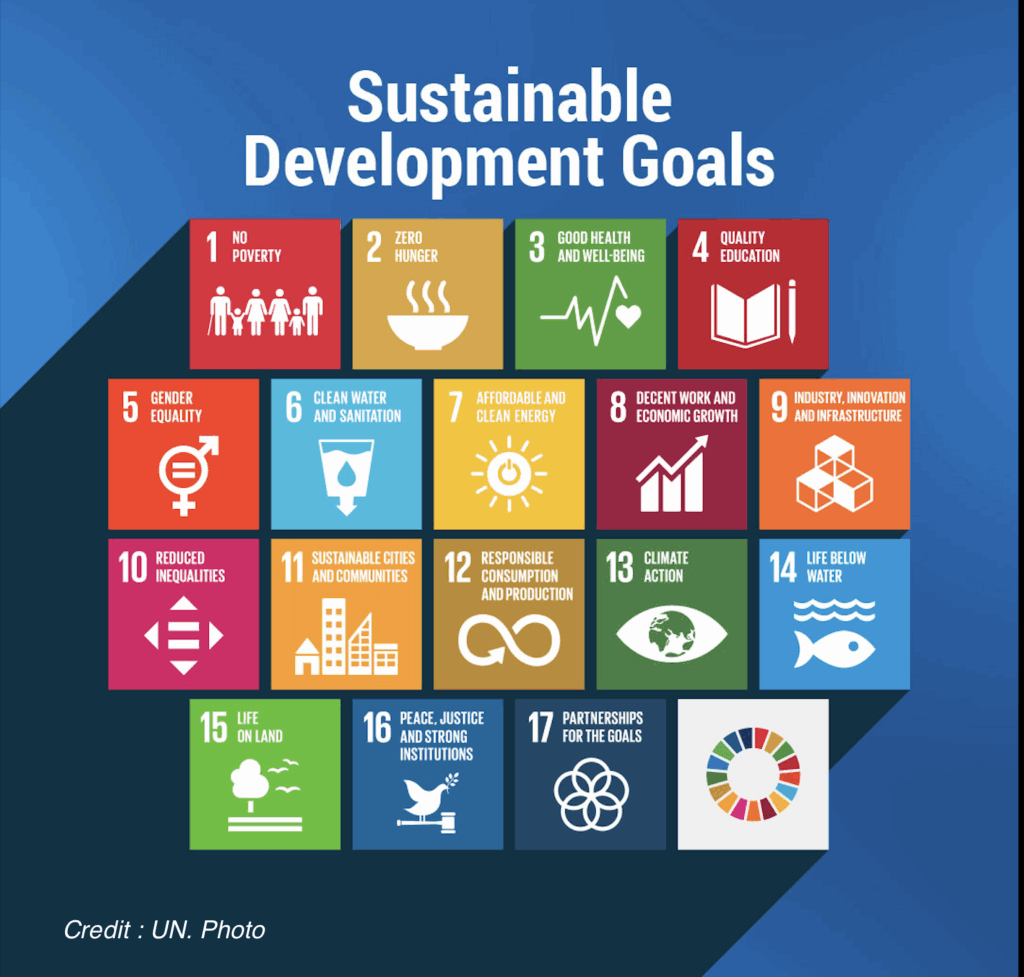
The Special Rapporteur underscored the need to shape the next generation of anti-poverty efforts – including the global development goals that will replace the Sustainable Development Goals when they expire in 2030, as well as the creation of a new International Panel on Inequality – to avoid repeating the mistakes of the past.  

“Both will fall short if they do not look beyond growth,” De Schutter said. “Ending poverty is one of humanity’s most urgent challenges, but it will remain out of reach unless we are willing to rethink the economic assumptions that have misguided policymaking for generations.”

ENDS

Read the Roadmap for Eradicating Poverty Beyond Growth

Olivier De Schutter is the Special Rapporteur on extreme poverty and human rights.

Special Rapporteurs/Independent Experts/Working Groups are independent human rights experts appointed by the United Nations Human Rights Council. Together, these experts are referred to as the Special Procedures of the Human Rights Council. Special Procedures experts work on a voluntary basis; they are not UN staff and do not receive a salary for their work. While the UN Human Rights office acts as the secretariat for Special Procedures, the experts serve in their individual capacity and are independent from any government or organisation, including OHCHR and the UN. Any views or opinions presented are solely those of the author and do not necessarily represent those of the UN or OHCHR.

Country-specific observations and recommendations by the UN human rights mechanisms, including the special procedures, the treaty bodies and the Universal Periodic Review, can be found on the Universal Human Rights Index https://uhri.ohchr.org/en/

For more information and media requests please contact: hrc-sr-extremepoverty@un.org.

For media inquiries related to other UN independent experts, please contact: Maya Derouaz (maya.derouaz@un.org) or Dharisha Indraguptha (dharisha.indraguptha@un.org).

Follow the Special Rapporteur on extreme poverty and human rights: @deschuttero.bsky.social

Follow news related to the UN’s other independent human rights experts on X: @UN_SPExperts.

United Nations correspondent journalists – United Nations correspondent journalists – United Nations journalism articles – United Nations journalism articles – United Nations News – UNCA Awards 

UN-backed roadmap provides blueprint for eradicating poverty beyond growth: UN expert Read More »

WFP Releases HungerMap Live; a Modernized Intelligence Platform that Turns Data on Global Hunger into Early Action

NewYork, 16 April 2026 – The United Nations World Food Programme (WFP) today released its next-generation platform, HungerMap Live, a powerful digital monitoring and intelligence capability that integrates a wide range of food security data and analysis with predictive modelling to help fight hunger in more than 50 countries.

At a time of rising food security needs and limited funding for humanitarian action, HungerMap Live provides the most complete and updated picture of hunger in the world’s most vulnerable countries.

HungerMap Live offers AI-assisted forecasting capabilities of projected food needs in WFP designated Hunger Hotspots – 16 countries with populations already struggling with catastrophic hunger. Studies have shown that early warning of emerging food security issues can reap tremendous cost savings and operational efficiencies. In fact, WFP has seen first-hand that every dollar invested in its anticipatory action programs, reaps a minimum of seven dollars in savings.

The release of the platform comes at a critical time when the number of people facing IPC5 food insecurity – the most severe form of hunger – has increased 15-fold from 85,000 in 2019 to 1.4m in 2025.   

The newly modernized HungerMap Live platform brings together data from WFP’s extensive network of more than 300 analysts working on food security monitoring and mapping with information from dozens of trusted partners. This includes the global benchmark for food insecurity data (known as IPC), government validated statistics, climate, market, agricultural and economic data.

Through predictive modelling, provided with the support of Google, HungerMap Live answers three critical questions: what is the current state of food security across the world? Which countries and regions require urgent attention? And what are the underlying factors contributing to food security needs?

“Without data, the fight against hunger is fought in the dark,” said WFP Executive Director Cindy McCain. ”This platform changes that, combining WFP’s on-the-ground insights with critical data to give decisionmakers, communities, humanitarian agencies and donors, the power to act before hunger costs lives. We’re able to track and predict where, how and why hunger is growing, which means that we don’t just respond to hunger – we get ahead of it.” 

A specialized layer on “micronutrient intake adequacy” links food-security conditions with the nutritional quality of diets. This nutrition analysis, developed with support from the Gates Foundation, helps identify populations at risk of hidden hunger caused by inadequate intake of essential vitamins and minerals.

Funding for global food security monitoring and analyses has been on an alarming decline with WFP’s data footprint having shrunk by 25 percent in the past year.  

“You can’t stop hunger if you can’t see it coming,” added Jean Martin Bauer, director of WFP’s Food Security and Nutrition Analysis Service. “That’s why it’s crucial that we keep funding the collection of this data, so that society has a trusted, evidence-based early warning system, that can alert the world about emerging and alarming conditions, and the risk of human suffering, before it’s too late.” 

HungerMap Live is available now at hungermap.wfp.org.

#                 #                   #

The United Nations World Food Programme is the world’s largest humanitarian organization saving lives in emergencies and using food assistance to build a pathway to peace, stability and prosperity for people recovering from conflict, disasters and the impact of climate change.

For more information please contact (email address: firstname.lastname@wfp.org):

Julian Miglierini, WFP/ Rome, Mob. +39 348 2316793
Martin Rentsch, WFP/Berlin, Mob +49 160 99 26 17 30
Shaza Moghraby, WFP/New York, Mob. + 1 929 289 9867

Rene McGuffin, WFP/ Washington Mob. +1 771 245 4268

United Nations correspondent journalists – United Nations correspondent journalists – United Nations journalism articles – United Nations journalism articles – United Nations News – UNCA Awards 

WFP Releases HungerMap Live; a Modernized Intelligence Platform that Turns Data on Global Hunger into Early Action Read More »

Middle East military escalation could cost Asia-Pacific up to US$ 299 billion, UNDP

Note: New assessment by the UN Development Programme  (UNDP) links Asia-Pacific’s reliance on imported energy and critical supply chains to rising pressure on households, small businesses, and public budgets, with 8.8 million people at risk of falling into poverty.

New York, 14 April 2026 – Years of human development gains across Asia and the Pacific are under pressure as the impacts of the recent military escalation in the Middle East ripple through economies and households, despite a temporary ceasefire.

As the situation remains fluid, a current preliminary analysis by UNDP examines how heightened volatility, transmitted through energy, trade, and labour markets, is straining incomes, consumption, jobs and social protection across the region. Low-income households, informal workers, migrants, and small enterprises are among the most at risk. Women are the most vulnerable across these categories.

The report synthesizes impact and needs assessments covering 36 countries, complemented by macroeconomic simulations, and provides a regionwide outlook as well as how different countries are currently responding to these pressures.

Rising fuel and freight costs are the most immediate pressure point.  With over 80 percent of crude and LNG transiting the Strait of Hormuz destined for Asian markets, the region is experiencing rapid pass‑through of higher pricing on transport, electricity, food and fertilizer.

The report estimates that 8.8 million people are at risk of falling into poverty. Output losses could range from US$ 97 billion to US$ 299 billion, equivalent to between 0.3 and 0.8 percent of regional GDP.

In Iran, the estimated decline in the Human Development Index is equivalent to one to one and a half years of progress lost. In other countries, human development losses under a short‑duration scenario range from weeks to months of foregone development progress, but could escalate significantly if disruptions persist, particularly in economies reliant on remittances, imported energy and food. Losses are most pronounced in South Asia, reflecting higher exposure to income and price shocks and more limited policy buffers, while East and Southeast Asia experience comparatively smaller setbacks.

Governments across the region have responded rapidly to cushion the domestic shocks through fuel price stabilization, targeted subsidies, limits on transport, and early adaptive measures such as diversifying energy supply and improving energy efficiency. In some countries, responses have included nationwide energy‑saving campaigns and temporary changes to public‑sector work arrangements to ease pressure on fuel consumption and public budgets.

“The strain this war is placing across Asia-Pacific is already visible. It is reaching households faster than policy can adjust.  Despite the recent ceasefire, the resulting prolonged volatility in global markets is imposing increasingly difficult tradeoffs between stabilizing prices, supporting vulnerable households, and maintaining essential public services and market investments. At the same time, we see important opportunities for countries to accelerate long‑term resilience through adaptive social protection, stronger local and regional value chains, and diversified energy and food systems,” said Kanni Wignaraja, UN Assistant Secretary‑General and UNDP Regional Director for Asia and the Pacific.

The report is part of a series of socio-economic analyses produced by UNDP to support policymakers unpack the human development consequences of the current conflict,  and identify options for a development response as a first line of defense.

“This is not about regular economic management measures, but a broader test of whether countries can look ahead and adapt fast to protect human development and human security gains in a far more volatile and insecure world.”, Wignaraja said.

LINK TO REPORT: https://www.undp.org/asia-pacific/publications/military-escalation-middle-east-human-development-impacts-across-asia-and-pacific

Media contacts:

Raul de Mora Jimenez – raul.de.mora@undp.org; +1 631 464 8617

Aminath Mihdha – aminath.mihdha@undp.org

 United Nations correspondent journalists – United Nations correspondent journalists – United Nations journalism articles – United Nations journalism articles – United Nations News – UNCA Awards 

Middle East military escalation could cost Asia-Pacific up to US$ 299 billion, UNDP Read More »

Ongoing Middle East war could push more than 30 million people into poverty, UN development agency says in new analysis

New York, 13 April 2026 – Failure by the United States and Iran to work out a solution to end the war in the Middle East has severely impacted on low-income countries while advanced economies can absorb the effects, particularly in the area of energy, the UN Development Programme (UNDP) said in a new analysis

 “While shocks are global, impacts are unevenly distributed,” the 27-page analysis said in its executive summary. “Advanced economies can absorb the effects of energy shocks in ways that are unattainable for low-income and some middle-income economies because of major differences in fiscal and financial constraints. Countries in the Gulf region, Asia, Sub-Saharan Africa and SIDS (Small Island Developing States) are uniquely vulnerable.”

“Preliminary regional assessments from Europe and Central Asia reinforce this asymmetry. Although aggregate GDP effects in parts of the region may appeal limited, human development impacts could be substantial if shocks persist. A decline in HDI of just 0.005 point – half the magnitude observed during COVID-19 – would imply development setbacks ranging from under two years in some economies to more than seven years in  more fragile contexts. This stresses that headline income levels do not necessarily equate with resilience, and that recovery capacity varies significantly across countries.”

“Effects of the crisis reach far beyond directly affected countries, falling hardest on the poor and most vulnerable. Targeted and temporary cash transfers are the preferred policy response for fiscally constrained countries.”

Following is a press release by UNDP: “Ongoing military escalation in the Middle East puts tens of millions of people at risk of falling into poverty across 162 countries.

While the impacts are concentrated in countries directly affected by the conflict and those dependent on imported energy, the findings point to significant longer-term harm to poorer countries far removed from the fighting. 

The findings are published in a new policy brief – Military escalation in the Middle East: Reversals in global development, policy response options – that uses Global Trade Analysis Project (GTAP) modelling to assess economic impacts under scenarios ranging from short-lived disruption to prolonged shocks lasting eight months.

Now in its 6th week, and despite the temporary ceasefire, the impacts are evolving from an ‘acute’ to an ‘enduring’ phase. The longer this phase continues, the greater the risk of accelerated lapses into poverty in vulnerable countries, the brief reveals. Under the worst-case scenario, an additional 32 million people could be pushed into poverty.

Countries in the Gulf region, Asia, Sub-Saharan Africa, and Small Island Developing States are uniquely vulnerable, the brief reveals.

War is development in reverse. Conflict can undo in weeks what countries have built over years,” said UNDP Administrator and UN Under-Secretary-General Alexander De Croo. “This new analysis shows that the shock of the escalation of the conflict in the Middle East is not limited to the countries directly affected, but falls disproportionately on those with the least fiscal room to absorb higher energy and food prices. For these countries, the crisis forces impossible trade-offs between stabilizing prices today and funding health, education, and jobs tomorrow. That is unacceptable, and it is preventable. Early policy action matters.”

UNDP sets out policy options for countries to help mitigate the effects of the conflict under each projected scenario. Chief among these is a recommendation that policymakers consider targeted and temporary cash transfers to protect poor and vulnerable households as a first line of defense. Depending on the scenario, as much as US$ 6 billion in cash transfers would be needed for this measure to be effective.

Other recommendations include temporary and targeted subsidies or vouchers for minimum ‘consumption blocks’ of electricity or cooking gas. The brief cautions against blanket energy subsidies – widely used in developing economies – that disproportionately favour wealthier households over those most in need and are financially unsustainable over time.  

The brief is part of a series of socio-economic analyses produced by UNDP on the impacts of the Middle East Crisis in Iran and the region to help policymakers understand the human development consequences and identify options for response. Further analysis covering the Asia-Pacific region is forthcoming. “

Media contact

For more information or to request an interview, please contact:

In New York City – Dylan Lowthian dylan.lowthian@undp.org +1 646 673 6350

 United Nations correspondent journalists – United Nations correspondent journalists – United Nations journalism articles – United Nations journalism articles – United Nations News – UNCA Awards 

Ongoing Middle East war could push more than 30 million people into poverty, UN development agency says in new analysis Read More »

Three years on, war-weary Sudanese remain on the move

Note: Millions of Sudanese have been displaced by the war, which started in April 2023 and fighting is still raging in large parts of the country. The following is a briefing note to the press at the Palais des Nations in Geneva by Marie-Helene Verney, the representative of the UN Refugee Agency (UNHCR) in Sudan, on the current situation in that country.
 
Geneva, 10 April 2026 – As the crisis in Sudan moves into its fourth year, fighting still rages in large parts of the country, causing new displacement and extending the daily tragedy for millions of people with no clear end in sight. 

Since the war started in April 2023, some 14 million people have been forced to flee, with 9 million remaining displaced inside Sudan and 4.4 million across borders. For many, displacement has been a repeated and exhausting cycle of flight to relative safety, only to flee again. Today, one in four Sudanese is displaced.

Violence is ongoing in much of Darfur, the Kordofans and Blue Nile State. Recent increased use of air bombardments and drones has sent more people fleeing. Human rights violations continue to occur, including conflict-related sexual violence, forced recruitment, arbitrary arrests, massacres and more. Civilians are particularly at risk, with frequent reports of harassment, violence and abductions taking place en route to safety. 

Women and girls continue to face heightened risks of sexual violence, exploitation and abuse, particularly as they move through insecure areas. The collapse of health systems, law enforcement, and justice mechanisms has created a climate of widespread impunity. Survivors of gender-based violence face significant barriers to reporting incidents and accessing medical, psychosocial and legal services, further reinforcing the cycle of abuse and underreporting. 

Millions of children have now spent three years of their childhood in displacement, with far-reaching consequences for their futures. Most have had little to no access to school. Over 58,000 children arrived alone in neighbouring countries, separated from their families in flight, often injured and deeply traumatized. 

Neighbouring countries hosting the majority of Sudanese refugees – particularly Chad, Egypt and South Sudan – are at breaking point. Arrivals from Darfur into Chad continue, while South Sudan struggles to support Sudanese refugees and almost 1 million South Sudanese who have arrived since April 2023 amid its own growing crisis. Dwindling assistance and limited opportunities across all host countries leave many with impossible choices. 

At the same time, many displaced Sudanese are returning to areas where fighting has largely abated. Some 80 per cent of these were internally displaced people, alongside 890,000 refugees from neighbouring countries. Most returns are to Al Jazeera and Sennar states, with almost 1.5 million returning to Khartoum, where conditions are dire; infrastructure and basic services have been largely destroyed, the economy shattered and the social fabric torn apart. It is crucial to support returnees to mitigate risks of further displacement. 

There is also a growing number of Sudanese making the dangerous journey through Libya to Europe. Over 14,000 Sudanese arrived in Europe between 2024 and 2025, a 232 per cent increase since the conflict began. These movements are not driven by choice or convenience but as a response to the lack of prospects for peace, and unmet needs in Sudan and across borders. Peace, or at a minimum, better-funded humanitarian and development responses, are urgently needed to support Sudanese to live in dignity wherever they are. 

Three years on, Sudan, the world’s largest displacement crisis and one of the worst protection emergencies, continues unfolding in the wake of a severe global funding crunch. Aid agencies, including UNHCR, the UN Refugee Agency, have so far received 16 per cent of the US$2.8 billion required to deliver assistance inside Sudan, and 6 per cent of US$1.6 billion for the regional refugee response.

Without renewed and sustained global attention and support, the suffering and risks will only grow for the millions displaced and for the wider region, making this crisis even more destabilizing and costly to resolve. A cost that Sudan, and the world, cannot afford to bear. 

END
 
This Briefing Note is available here

For more information on this topic, please contact
•    In Sudan, Assadullah Nasrullah, nasrulla@unhcr.org, +249 912 178 991
•    In Nairobi (regional), Faith Kasina, kasina@unhcr.org,  +254 113 427 094
•    In Dakar (regional), Fidelia Bohissou, bohissou@unhcr.org, +221 77 569 91 60
•    In Amman (regional), Rula Amin, aminr@unhcr.org, +962 6 510 04 60
•    In Geneva, Eujin Byun, byun@unhcr.org, +41 79 747 87 19

United Nations correspondent journalists – United Nations correspondent journalists – United Nations journalism articles – United Nations journalism articles – United Nations News – UNCA Awards 

Three years on, war-weary Sudanese remain on the move Read More »

UN efforts to keep the Strait of Hormuz open to shipping failed

New York, 7 April 2026 – The United Nations Security Council convened in an effort to adopt a resolution that would allow action to keep the Strait of Hormuz open to shipping but Russia and China, two of the council’s 15 member states, voted against while 11 voted favor. The vetoes by the two countries nullified the vote by the majority of council members.

Russia, China, the United States, United Kingdom and France – the world’s most powerful countries – are permanent members of the 15-nation council while the 10 other countries are elected for two-year terms. The negative votes cast by any of the permanent members practically kill any resolutions adopted by the council.

The council’s failure to adopt the resolution introduced by Abdullatif bin Rashid al Zayani, Minister for Foreign Affairs of Bahrain and president of the council for April, took place just hours before the expiration of a deadline imposed by U.S. President Donald Trump who demanded that Iran reopen the strategic Strait of Hormuz or else a “whole civilization will die tonight.”

Countries that voted in favor of the resolution were: the US, UK, France, Denmark, Greece, Panama, Somalia, Bahrain, Democratic Republic of Congo, Latvia and Liberia. Pakistan and Colombia abstained.

“Failing to adopt this resolution sends the wrong signal to the world, the people of the world — a signal that threats to international waterways can pass without any decisive action by the international community,” the Bahraini minister said following the vote, pointing out that the council should shoulder its responsibility to ensure freedom of navigation in the Strait. 


“We declare loud and clear, and unequivocally, that the Islamic Republic of Iran has no right to close this waterway to international navigation, nor to deprive the peoples of the world of these essential and vital resources,” he said.

“Will the international community accept being held hostage to economic attempts at blackmail regardless of the perpetrator?” he asked, stressing the text’s adoption today would send a strong, unified message – “that we uphold international law, that we will protect civilians.” 

Abdullatif bin Rashid al Zayani said he acted also on behalf of the United Arab Emirates, Saudi Arabia, Qatar, Kuwait and Jordan and the resolution did not “create a new reality” but rather it was merely a response to Iran’s hostile behavior and to the very grave developments affecting the waterways most critical to international trade.

The failed resolution, which was proposed by Bahrain with full support of Gulf countries, demanded that Iran immediately cease all attacks against merchant and commercial vessels and any attempt to impede transit passage or freedom of navigation in the Strait and further calls for the cessation of attacks against civilian infrastructure, including water infrastructure and desalination plants, as well as oil and gas installations.

Until the war exploded on February 28 this year the Strait of Hormuz had been an important shipping corridor for tankers transporting large portion of crude oil, 29 per cent of liquefied gas, 19 per cent of liquid natural gas and 20 per cent of refined petroleum products to countries around the world.

US Ambassador Michael Waltz told the council following the failed vote: “The request from Bahrain and from the region was not unreasonable. They engaged every country on this Council and took their inputs and thoughts on board. It was a simple resolution: Iran must stop attacking the Gulf, stop threatening its neighbors, and reopen the Strait of Hormuz.

“And I would note, colleagues, that Russia and China might have chosen better partners than Iran. They might have chosen to stand with our Gulf allies—with Manama, with Doha, with Abu Dhabi, with Kuwait City, and others.

But instead, Russia has chosen to be a critical supplier of military equipment to Iran over the past year, in particular, delivering combat aircraft, helicopters, armored vehicles, and other arms to Iran, some of which violate Security Council Resolution 1929.

Meanwhile, China imports over 80% of Iran’s illicit oil—and Chinese entities have exported significant quantities of components intended for attack drones and technologies that could be used in ballistic missiles..”

Waltz said the US “stands firmly with our partners in the Middle East” and the Strait of Hormuz “is too vital to the world to be used as hostage, to be choked, to be weaponized by any one state.”

UN “deeply troubled” by US President Donald Trump’s statement on Iran civilization.

In response to questions about recent remarks made against Iran, the UN Spokesperson, Stéphane Dujarric, had the following to say:

“UN Secretary-General Antonio Guterres is deeply troubled by statements suggesting that entire civilian populations or civilizations may be made to bear the consequences of political and military decisions. There is no military objective that justifies the wholesale destruction of a society’s infrastructure or the deliberate infliction of suffering on civilian populations.

“The Secretary-General reiterates that conflicts end when leaders choose dialogue over destruction. That choice still exists. And it must be made — now. He calls for stepped-up diplomatic efforts to find a peaceful path forward. His Personal Envoy, Jean Arnault, is traveling to the region to support these efforts.

“Simultaneously, the Secretary-General appeals for freedom of navigation to be re-established in the Strait of Hormuz. As he said recently, when the Strait of Hormuz is strangled, the world’s poorest and most vulnerable cannot breathe.”

(By J. Tuyet Nguyen)

United Nations correspondent journalists – United Nations correspondent journalists – United Nations journalism articles – United Nations journalism articles – United Nations News – UNCA Awards 

UN efforts to keep the Strait of Hormuz open to shipping failed Read More »

UN warns Middle East war will spread with dramatic impacts worldwide

New York, 2 April 2026 – The war in the Middle East will spread “if the drums of war keep beating” and will have dramatic impacts on countries in Asia as well Africa in addition to those in the region that are suffering indiscriminate daily attacks targeting civilians and civilian infrastructures, the UN chief said.

UN Secretary-General Antonio Guterres said, “My message is very clear. To the United States and Israel, it is high time to stop the war that is inflicting immense human suffering and already triggering devastating economic consequences. To Iran, to stop attacking their neighbours.”

“When the Strait of Hormuz is strangled, the world’s poorest and most vulnerable cannot breathe,” Guterres said in an address to the media at UN headquarters while the UN Security Council was holding a meeting on the situation in the Middle East. “We see it in the daily lives of people struggling with rising food and energy costs from the Philippines to Sri Lanka, and to Mozambique.”

“Many aspects of the conflict may be uncertain, but one thing is not: If the drums of war keep beating, escalation will only make all of this worse. The spiral of death and destruction must stop,” he said, calling on both sides of the war to find a peaceful solution.

At the UN Security Council meeting, the Secretary-General of the six-nation Gulf Cooperation Council (GCC), Jassim Albudaiwi, said Iran’s attacks on countries in the Middle East had exceeded “all red lines” and demanded that his organization to be included in discussions or agreements with Iran regarding security of the region.

Albudaiwi told the council that Iran had targeted vital civilian infrastructure, including airports, oil facilities, residential and commercial areas, fuel depots, service facilities and diplomatic missions.

“The GCC strongly condemns these blatant Iranian attacks, which constitute a flagrant violation of the sovereignty of GCC States”, as well as the principle of good-neighbourly relations, international law and the UN Charter. he said. “GCC States do not seek war. They seek the peace, security and stability that all peoples deserve.”

The UN Assistant Secretary-General Khaled Khiari, who attended the council meeting, said the Middle East stands “at a dangerous precipice.” He said the UN Chief has condemned both military strikes against Iran starting on February 28 as well as attacks launched by Iran against GCC countries and Jordan.

“These actions are clear violations of the sovereignty and territorial integrity of the affected countries. All actors must pull back from the brink and immediately cease hostilities,” Khiari said, pointing to Resolution 2817 (2026) adopted by this UN Security Council after the war broke out, which demanded the immediate cessation of all attacks by Iran against Bahrain, Kuwait, Oman, Qatar, Saudi Arabia, the United Arab Emirates, and Jordan.

“These attacks, condemned by this Council, must stop now,” he said. “Escalating hostilities are posing an acute and rapidly growing threat to international peace and security. Attacks on energy infrastructure and other civilian sites are particularly alarming. They are causing devastating harm to civilians and creating serious risks for the global economy, especially for the most vulnerable.”

“Disruptions to maritime routes in the Gulf and surrounding waters are also having global economic repercussions. They heighten the risk of broader confrontation. All parties must respect freedom of navigation, which is a cornerstone ofinternational maritime law.”

United Nations correspondent journalists – United Nations correspondent journalists – United Nations journalism articles – United Nations journalism articles – United Nations News – UNCA Awards 

UN warns Middle East war will spread with dramatic impacts worldwide Read More »

Middle East war reverses more than a year of economic growth in the Arab States region: UN Development Programme

Amman/New York, 31 March 2026 – New estimates by the United Nations Development Programme (UNDP) suggest the military escalation in the Middle East, now into its fifth week, may cost economies in the region from 3.7 to 6.0 percent of their collective Gross Domestic Product (GDP).

This represents a staggering loss of US$120-194 billion and exceeds the cumulative regional GDP growth achieved in 2025. Coupled with an estimated rise in unemployment of up to 4 percentage points or 3.6 million jobs lost—more than the total jobs created in the region in 2025, these reversals will push up to 4 million people into poverty.

“Military Escalation in the Middle East: Economic and Social Implications for the Arab States region” — exposes the concerning reality of structural vulnerabilities characteristic to the region, which enable a short lived military escalation to generate profound and widespread socio economic impacts that may persist over a long-term,” UNDP said in a press release.

“This crisis rings alarm bells for countries of the region to fundamentally reevaluate their strategic choices of fiscal, sectoral, and social policies, representing an important turning point in the development trajectory of the region,” said Abdallah AlDardari, UN Assistant Secretary General and Director of the Regional Bureau for Arab State in UNDP.

“Our findings underline the pressing need to strengthen regional collaboration to diversify economies—beyond reliance on growth driven by hydrocarbons, and to expand production bases, secure trade and logistics systems, and broaden economic partnerships, to reduce exposure to shocks and conflicts.”

The assessment employs Computable General Equilibrium modelling to capture the magnitude of disruptions caused by a four-week conflict, and models its effects through key transmission channels, including increased trade costs, temporary productivity losses, and localized capital destruction. It conducted five simulation scenarios, representing escalating levels of conflict scenarios, ranging from a “moderate disruption,” where trade costs increase by tenfold, to an “extreme disruption and energy shock,” where trade costs increase a hundred-fold, intensified by a stop of hydrocarbon production.

The findings highlight that impacts are not uniform, varying significantly across the region due to structural characteristics of its main subregions. Estimates suggest that the largest macroeconomic losses are concentrated in Gulf Cooperation Council and the Levant subregions, where strong exposure to trade disruptions and energy market volatility drives significant declines in output, investment, and trade. Both subregions stand to lose 5.2-8.5 percent and 5.2-8.7 percent of their GDP, respectively.

Increases in poverty rates are concentrated in the Levant and Least Developed Arab Countries, where baseline vulnerability is highest and shocks translate more strongly into welfare losses. In North Africa, impacts remain moderate but still significant in absolute terms.
In the Levant the crisis is expected to increase poverty by 5 percent, pushing an additional 2.85-3.30 million people into poverty—accounting for over 75 percent of the rise in poverty across the region. Across the region, human development as measured by the Human Development Index (HDI) is expected to decline by approximately 0.2 to 0.4 percent, corresponding to a setback of roughly half a year to nearly one year of human development progress.

For more information and to arrange interviews, please contact:
Riad Sabbagh | Senior Communication Consultant | Regional Bureau for Arab States | riad.sabbagh@undp.org
Ahmed Bazzoum | Communication Specialist | Regional Bureau for Arab States | ahmed.bazzoum@undp.org
Noeman AlSayyad | Strategic Communications Advisor | Regional Bureau for Arab States | noeman.alsayyad@undp.org

Note to Editors

  • This Assessment if part is part of a series of rapid assessments that UNDP is producing on the impacts of the Middle East military escalation on Iran, the Arab States region, Africa, the Asia Pacific region and on the global development outlook.
  • Results presented in this brief should be interpreted as illustrative estimates of potential outcomes under different shock intensities, rather than realized impacts.
  • Impact estimates are presented for four Arab States subregional groupings, including:
    o Gulf Cooperation Council (GCC) countries, including Bahrain, Kuwait, Oman, Qatar, Saudi Arabia, and the United Arab Emirates
    o The Levant, including Iraq, Jordan, Lebanon, the State of Palestine and Syria
    o North Africa, including Algeria, Egypt, Libya Morocco and Tunisia
    o Least Developed Arab countries (LDCs), including Sudan and Yemen—insufficient data did not allow for simulating impacts on Djibouti and Somalia.
  • Summary of Impacts:
    Macroeconomic Impact | GDP
    Region Loss of 3.7 – 6.0 % equivalent to US$120.00-194.00 Billion
    GCC Loss of 5.2 – 8.5 % equivalent to US$103.00-168.00 Billion
    Levant Loss of 5.2 – 8.7% equivalent to US$17.30-28.90 Billion
    N Africa Gain of 0.0 – 0.4 % equivalent to US$0.09-3.20 Billion
    LDCs Loss of 0.1 – 0.5 % equivalent to US$0.07-0.32 Billion
    Unemployment Impact | Jobs lost
    Region Increase by 1.8 – 4.0 % equivalent to 1.61-3.64 Million jobs lost
    GCC Increase by 3.6 – 9.4 % equivalent to 1.17-3.11 Million jobs lost
    Levant Increase by 2.3 – 2.7 % equivalent to 0.32 Million jobs lost
    N Africa Increase by 0.1 % equivalent to 0.06 Million jobs lost
    LDCs Increase by 0.2 – 0.8 % equivalent to 0.05-0.20 Million jobs lost

Poverty Impact | Additional population pushed below poverty line
Region Increase by 0.70 – 1.00 % equivalent to 3.05 – 3.96 Million people
GCC Not calculated due to very low baseline
Levant Increase by 4.45 – 5.15 % equivalent to 2.85 – 3.29 Million people
N Africa Increase by 0.03 – 0.05 % equivalent to 59 – 103 Thousand people
LDCs Increase by 0.15 – 0.60 % equivalent to 137 – 560 Thousand people

Human Development Impact | HDI | Year of progress set back

Region Decrease by 0.2 – 0.4 % equivalent to 0.5 – 1.0 Years set back
GCC Decrease by 0.3 – 0.5 % equivalent to 1.2 – 2.0 Years set back
Levant Decrease by 0.4 – 0.7 % equivalent to 0.9 – 1.5 Years set back
N Africa Increase by 0.0 – 0.1 % equivalent to Slight gain forward
LDCs Decrease by 0.0 – 0.1 % equivalent to Small but significant set back
due to low HDI baseline

Military escalation threatens human and economic development gains across Iran, UNDP analysis warns

Preliminary impact simulations show that military escalation related shocks are increasing pressure on livelihoods, essential services and human development prospects – even as communities across Iran continue to demonstrate resilience in navigating these evolving challenges

Bangkok, 31 March 2026 – A significant proportion of the population in the Islamic Republic of Iran could be pushed into poverty as daily life and local economic activity are disrupted, according to preliminary human development impact brief by the United Nations Development Programme (UNDP).

These shocks threaten to reverse Iran’s socioeconomic and poverty reduction gains. According to the analysis, Iran’s Human Development Index (HDI), estimated at 0.799 in 2023, could decline by 0.47 to 0.56 percentage points. This is equivalent to one to one and a half years of lost human development progress.

“Each day the crisis continues adds pressures on people’s current livelihoods and their futures,” said Beate Trankmann, UNDP Deputy Regional Director for Asia and the Pacific. “Rapidly stabilizing the situation and ensuring continuity of jobs and basic services will be critical to prevent today’s shocks from evolving into long-term human development setbacks.”

Despite government efforts to protect vulnerable households through food subsidies and cash transfers, food inflation remains high. Low-income households spend around 45 percent of their income on food, leaving them particularly exposed to further price increases and import disruptions in the current context.

This preliminary analysis, part of a series of UNDP Briefs examining the human development impact of conflict escalation, is based on available data and information with scenario simulations assuming a temporary 28-day disruption. The analysis underscores the urgent need to safeguard civilian infrastructure critical to people’s basic wellbeing.
Damage to education and health facilities, water and electricity systems, connectivity and local markets is already affecting households’ ability to access basic services and sustain daily livelihoods. This is particularly so for daily wage earners and informal sector workers. The continued disruption to small and medium-sized enterprises will have cascading impacts on household incomes that millions rely on.

The UNDP Brief underscores that any sustainable solution to these human development ‘breaks’ requires an end to the conflict. In the meantime, humanitarian assistance, targeted social protection, and rapid recovery support are essential to prevent longer-term poverty, protect essential services, and sustain local economic activity. UNDP will initiate support to early recovery activities, including the restoration of community electricity and water services, alongside support for micro and small enterprises and livelihoods recovery in economically vulnerable communities.

“Experience from around the world shows how fast instability can undo years of human development gains” said Kanni Wignaraja, UN Assistant Secretary-General and UNDP Regional Director for Asia and the Pacific. “While the situation continues to evolve, the human cost of these shocks is already being felt, so protecting the most vulnerable households in their efforts to navigate this period of economic uncertainty will be essential.”

LINK TO THE BRIEF: https://go.undp.org/S8t

Media contact: rbap.media@undp.org

United Nations correspondent journalists – United Nations correspondent journalists – United Nations journalism articles – United Nations journalism articles – United Nations News – UNCA Awards

Middle East war reverses more than a year of economic growth in the Arab States region: UN Development Programme Read More »